

 - 副本.png)
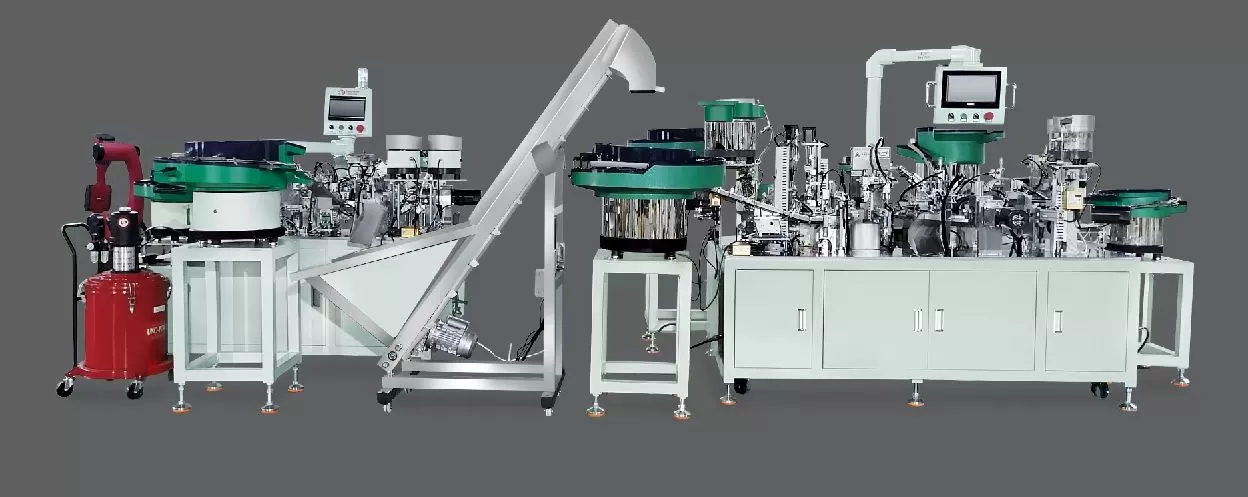
Automated testing is a cornerstone of modern manufacturing, especially for complex equipment like automatic assembly machines. For Jieyang Hinge Automatic Assembly Machine, a critical component in hinge production lines, a well-structured automated testing process ensures consistent performance, minimizes errors, and guarantees the reliability of the final products. As a professional manufacturer of hinge assembly machines, telescopic drawer slide assembly machines, and roll forming machines, Sanyhore understands the importance of integrating robust testing into the production workflow. This article explores the key aspects of the automated testing process for such machines, its technical requirements, and how it contributes to overall production efficiency.
Key Stages of the Automated Testing Process for Hinge Automatic Assembly Machines
The automated testing process for Jieyang Hinge Automatic Assembly Machine typically involves multiple sequential stages, each designed to validate different aspects of the machine’s functionality. The first stage focuses on parameter calibration, where testing systems verify that the machine’s settings align with industry standards. This includes checking torque, speed, and position parameters to ensure they match the specifications for hinge components. For example, sensors in the testing system monitor the assembly head’s movement, comparing real-time data against predefined benchmarks to adjust any deviations automatically.
Next, functional testing takes place. This stage simulates the actual assembly process, running the machine through a series of predefined hinge assembly tasks. The system tracks metrics such as cycle time, component placement accuracy, and the consistency of key operations like pin insertion or riveting. By replicating production scenarios in a controlled environment, functional testing reveals potential bottlenecks or malfunctions that could impact efficiency during full-scale production.
Load and stress testing follows, subjecting the machine to extreme conditions to assess its durability. This involves operating the assembly machine at maximum capacity or with heavier hinge components, monitoring for signs of wear, overheating, or mechanical strain. Data from these tests help engineers identify weak points in the machine’s design, allowing for targeted improvements before the equipment is deployed in real-world production settings.
Quality Control Integration in Automated Testing
Automated testing is not just about verifying functionality—it is deeply integrated with quality control systems. Testing data is continuously logged and analyzed, with algorithms flagging any anomalies that exceed acceptable tolerance levels. For instance, if a hinge component is placed with a positional error greater than 0.1mm, the system immediately halts the machine and triggers an alert, preventing the production of defective parts.
Furthermore, the testing process includes non-destructive evaluation methods, such as visual inspection using high-resolution cameras and ultrasonic testing for internal structural integrity. These techniques ensure that the machine’s performance does not compromise the quality of the hinges, even under tight production schedules. By combining automated testing with real-time quality monitoring, manufacturers can maintain strict quality standards while optimizing throughput.
Technical Innovations Driving Efficient Testing
Modern automated testing systems for hinge assembly machines leverage advanced technologies to enhance accuracy and speed. For example, machine vision systems equipped with AI-driven image recognition can detect micro-defects in hinge components that might be invisible to the human eye. This level of precision reduces the risk of faulty hinges reaching the market, strengthening the reputation of the assembly machine and its manufacturer.
Another innovation is remote monitoring capabilities, which allow engineers to access test data and machine performance metrics in real time. This feature is particularly valuable for machines used in large production facilities or across multiple locations, enabling quick diagnostics and maintenance without on-site intervention. Such efficiency not only reduces downtime but also lowers operational costs, making automated testing a cost-effective investment for businesses.
Benefits of Automated Testing for Hinge Production
The implementation of an automated testing process for Jieyang Hinge Automatic Assembly Machine delivers tangible benefits to manufacturers. First and foremost, it ensures consistency in product quality, eliminating variability caused by manual adjustments or human error. This reliability is critical for meeting customer expectations and maintaining long-term partnerships.
Automated testing also reduces production waste by identifying issues early in the process. By catching malfunctions or parameter discrepancies during testing, manufacturers avoid the cost of producing defective hinges and the subsequent rework. Additionally, the data collected from testing provides valuable insights for machine optimization, allowing for continuous improvements to enhance efficiency and reduce energy consumption.
Choosing the Right Testing Partner: Sanyhore’s Expertise
For businesses in the hinge and slide production industry, selecting a reliable manufacturer with proven testing capabilities is essential. Sanyhore, a leading producer of hinge assembly machines, telescopic drawer slide assembly machines, and roll forming machines, prioritizes automated testing as a core part of its product development. By integrating rigorous testing into every production cycle, Sanyhore ensures that its hinge automatic assembly machines deliver consistent, high-quality results for its clients.
Whether you need to optimize your existing assembly line or invest in a new hinge automatic assembly machine, Sanyhore’s team of experts is available to guide you through the testing process and answer any questions. To learn more about how automated testing can enhance your production efficiency, contact us today at +86 13425506550 or via email at info@sanyhore.com.
At Sanyhore, we believe that reliable testing is the foundation of successful manufacturing. Let us help you build a more robust, efficient production process with our advanced hinge assembly machines and comprehensive testing solutions.


