

 - 副本.png)
TDK信息
标题:Emergency Handling Process for Jieyang Hinge Automatic Assembly Machine
关键词:Jieyang hinge automatic assembly machine, emergency handling process, hinge assembly machine emergency response, automatic assembly troubleshooting, hinge production safety
描述:Ensuring operational safety and minimizing downtime is critical when unexpected issues arise with the Jieyang hinge automatic assembly machine. This guide outlines key emergency handling procedures, including immediate response steps, common fault identification, and post-incident recovery protocols to maintain production efficiency.
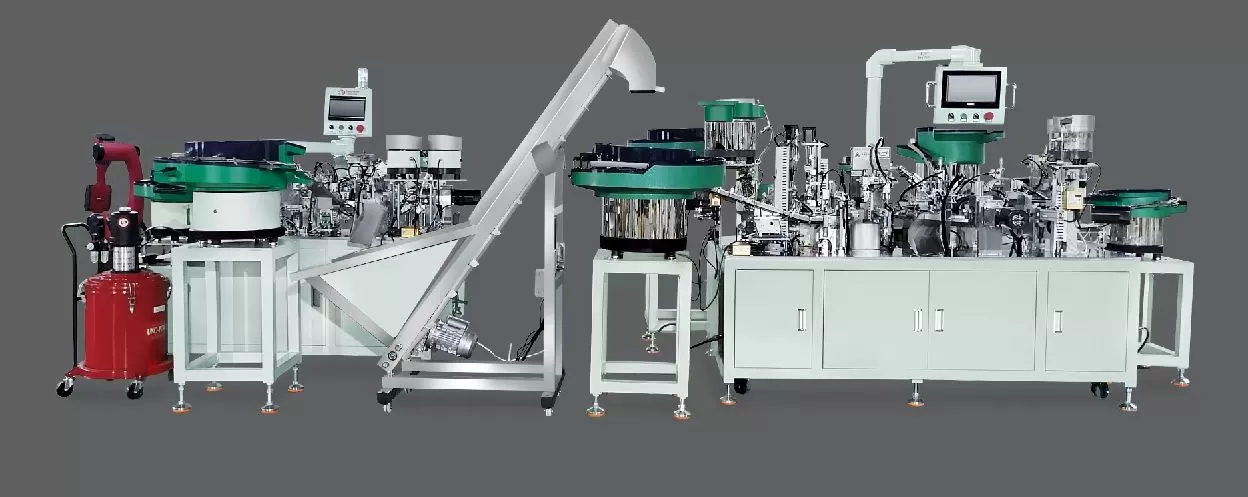
When operating the Jieyang hinge automatic assembly machine, unforeseen emergencies can disrupt production and pose safety risks. A well-defined emergency handling process is essential to quickly address issues, protect equipment, and safeguard personnel. This article details actionable steps to follow during critical situations, from initial alert recognition to post-incident resolution.
Immediate Response to Critical Alerts
Upon detecting any异常 (e.g., unusual noises, sudden overheating, or uncommanded emergency stop signals), the first priority is to ensure immediate safety. Operators should immediately press the emergency stop button to cut off power to the machine, preventing further damage or injury. After stopping the machine, carefully observe the surrounding area for visible hazards (e.g., loose parts, fluid leaks) and record the exact time, alert type, and any visible symptoms. This initial data is critical for accurate fault diagnosis later.
Common Emergency Scenarios and Solutions
Understanding typical emergency scenarios helps operators act decisively. One frequent issue is mechanical jamming, often caused by misaligned hinge components or foreign debris. When jamming occurs, avoid forcing the machine to restart; instead, use the control panel to reverse the assembly process gently. If jamming persists, disconnect the power again and inspect the conveyor or clamping mechanism for blockages, using tools like a soft brush to remove debris.
Electrical faults, such as sudden power outages or short circuits, require a systematic approach. First, verify if the issue stems from the machine itself or the external power supply by checking the main circuit breaker and power indicators. If the machine’s control system fails to power on, use a multimeter to test voltage levels at key components, ensuring no damage to wiring or sensors. In such cases, contact the technical support team for further diagnosis.
Sensor malfunctions, a common cause of false alarms, can often be resolved by basic maintenance. Dust or oil buildup on sensors may interfere with their functionality; clean the sensor lenses with a dry, lint-free cloth and re-calibrate the sensor settings via the machine’s HMI (Human-Machine Interface) if necessary. If errors persist, replace the sensor after confirming compatibility with the machine model.
Post-Incident Recovery and Prevention
After resolving the immediate emergency, conduct a thorough post-incident check to prevent recurrence. Inspect all affected components, including moving parts, fasteners, and electrical connections, to ensure they are in proper working order. Document the incident details, including the root cause, response actions, and recovery time, in the machine’s maintenance log for future reference.
To strengthen emergency readiness, implement a regular review of emergency protocols. Hold monthly training sessions to familiarize operators with scenario responses, and simulate critical alerts (e.g., simulated jamming) to test the effectiveness of recovery procedures. Encourage operators to report near-misses or potential hazards promptly, fostering a proactive safety culture.
Regular Maintenance for Emergency Readiness
Preventive maintenance is the cornerstone of reducing emergency occurrences. Schedule daily checks to confirm lubrication levels, tighten loose fasteners, and clean key components. Weekly maintenance should include inspecting conveyor belts, adjusting tension, and verifying sensor accuracy. By maintaining the machine in optimal condition, you minimize the risk of unexpected failures and ensure the emergency handling process works seamlessly when needed.
For manufacturers seeking reliable hinge assembly machines and professional after-sales support, Sanyhore specializes in producing high-quality automatic assembly equipment, including hinge assembly machines, telescopic drawer slide assembly machines, and roll forming machines. Contact our team at +86 13425506550 or info@sanyhore.com to discuss your production needs and ensure seamless operations.


