

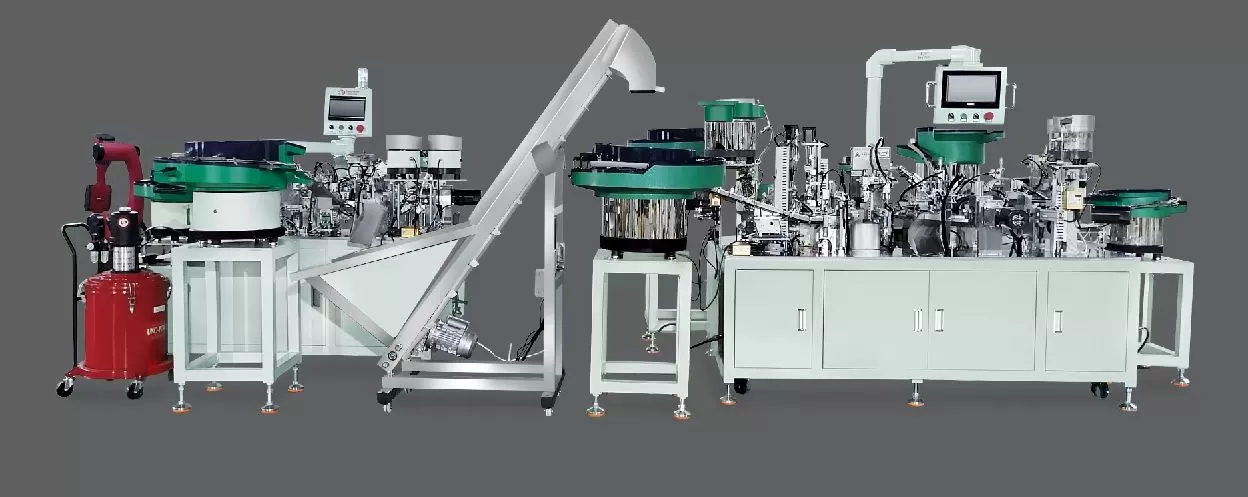
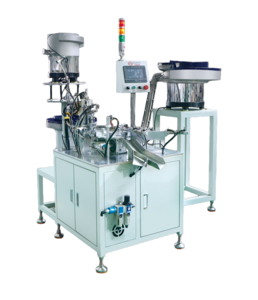
Energy consumption management is a critical aspect of modern manufacturing, especially for automatic assembly machines like the Jieyang hinge automatic assembly machine. As production demands grow, balancing operational efficiency with resource conservation becomes essential to reduce costs and meet sustainability goals. For Sanyhore, a leading manufacturer specializing in hinge assembly machines, telescopic drawer slide assembly machines, and roll forming machines, optimizing energy use in our equipment is integral to delivering reliable, cost-effective solutions to clients. This article outlines the key steps in implementing an effective energy consumption management process for hinge automatic assembly machines.
Understanding Energy Consumption Patterns in Hinge Assembly: Before implementing management measures, it is vital to analyze the energy usage patterns of the Jieyang hinge automatic assembly machine. This involves tracking energy consumption during different operational phases, such as idle time, setup, and active production. By monitoring metrics like power draw during motor activation, heating in hydraulic systems, and light usage in control panels, manufacturers can identify high-energy-consuming components or processes. For instance, some assembly machines may exhibit peak energy use during rapid tool changes or when running at maximum speed, which are key points to target for optimization.
Implementing Real-Time Monitoring Systems: Deploying real-time energy monitoring systems is a cornerstone of effective management. These systems use sensors and data analytics to continuously track energy consumption, allowing operators to identify anomalies or inefficiencies promptly. For the Jieyang hinge automatic assembly machine, integrating smart meters or IoT-enabled devices can provide insights into energy flow, helping teams detect leaks in compressed air lines, voltage fluctuations, or unnecessary energy draw from unused machine functions. Over time, this data helps establish baseline energy usage, making it easier to compare performance and measure the impact of subsequent optimizations.
Optimizing Machine Operation Parameters: Adjusting operational parameters is another key strategy to reduce energy consumption without compromising production quality. For example, many automatic assembly machines can benefit from variable frequency drives (VFDs), which adjust motor speed based on demand, reducing energy use during slower production periods. Additionally, fine-tuning parameters like pressure settings in hydraulic systems or cooling system flow rates can minimize energy waste. Sanyhore engineers often collaborate with clients to calibrate these settings, ensuring the hinge automatic assembly machine operates at the lowest possible energy level while maintaining the required precision and output speed.
Adopting Energy-Efficient Maintenance Practices: Regular maintenance is crucial for keeping the assembly machine running optimally and energy-efficiently. Implementing a proactive maintenance schedule that includes tasks like lubricating moving parts, cleaning air filters, and replacing worn components can reduce friction and energy loss. For instance, dry or poorly lubricated bearings increase motor load, raising energy use, while clogged filters force systems to work harder to maintain airflow. Sanyhore recommends scheduled thermal imaging inspections to identify overheating components early, preventing unexpected downtime and energy inefficiencies.
Training and Documentation for Sustainable Management: Ensuring all operators understand energy-saving practices is vital to sustaining results. Training programs should cover topics like proper machine startup/shutdown procedures, recognizing energy-wasting behaviors, and using monitoring tools effectively. Documenting energy consumption trends, optimization actions, and maintenance records creates a knowledge base that helps teams refine processes over time. For example, tracking how adjusting the machine’s speed from 80% to a more efficient 75% impacts energy use and output allows for data-driven decisions in future adjustments.
By following these steps, manufacturers can significantly reduce energy consumption in their Jieyang hinge automatic assembly machines, leading to lower operational costs and a smaller environmental footprint. At Sanyhore, we design our assembly machines with energy efficiency in mind, and our expertise in energy management processes ensures our clients get the most out of their equipment. If you’re looking to optimize energy use for your hinge assembly operations, contact us today. Our team of experts is ready to support you with customized solutions.
For inquiries, reach out to our sales manager: +86 13425506550 or email: info@sanyhore.com.


