
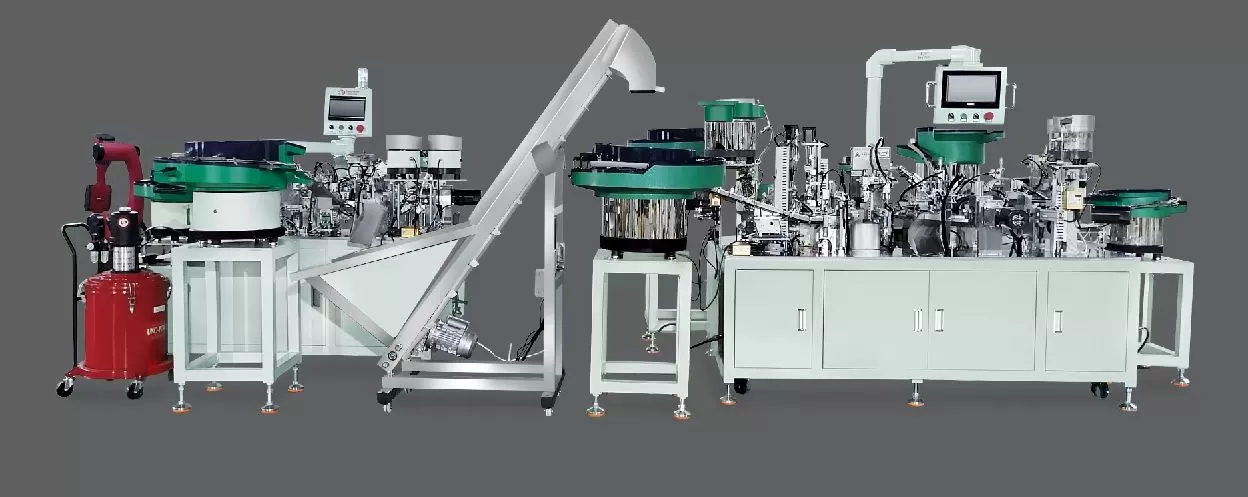
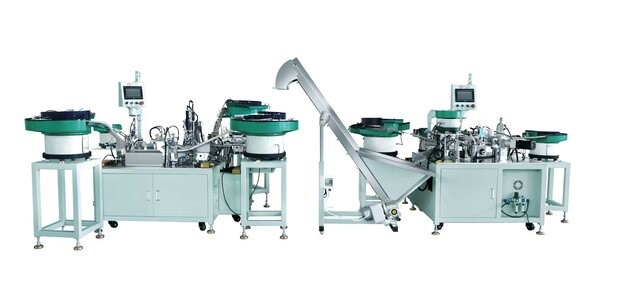
In today’s manufacturing landscape, the integration of environmental considerations into production processes is no longer optional—it is a strategic imperative. For companies in Jieyang specializing in hinge automatic assembly, implementing a robust environmental management process (EMP) is critical to reducing ecological footprints, ensuring compliance with global standards, and enhancing long-term operational resilience. This article explores the core components of such a process, highlighting how it aligns with sustainable manufacturing goals and how Sanyhore, a leading producer of hinge assembly machines, incorporates environmental best practices into its equipment design.
Understanding the Environmental Impact of Hinge Assembly Processes
Hinge automatic assembly machines, while efficient in mass-producing high-precision hinges, can contribute to environmental strain through energy consumption, material waste, and emissions. Key environmental hotspots include excessive energy use in motor operations, improper disposal of coolant fluids, and the generation of non-recyclable packaging waste. Without structured management, these issues not only increase operational costs but also expose manufacturers to regulatory risks and reputational damage. An effective EMP addresses these challenges by establishing clear objectives, monitoring systems, and improvement protocols tailored to the unique needs of hinge production lines.
Core Stages of the Environmental Management Process
A comprehensive EMP for hinge automatic assembly machines follows a systematic framework, often modeled after ISO 14001 standards. The first stage, Environmental Assessment, involves identifying and quantifying the environmental impact of each production step—from raw material intake to machine operation and final product disposal. This data-driven analysis helps prioritize high-impact areas, such as optimizing machine energy efficiency or reducing lubricant usage.
Next, Policy and Planning sets the foundation for sustainable practices. Sanyhore, for instance, integrates environmental objectives into its machine design, such as equipping hinge assembly machines with variable-speed drives to minimize energy consumption and modular components for easier disassembly and recycling. Employees are also trained to recognize environmental risks, fostering a culture of responsibility across the production floor.
Integrating Sustainable Design Principles into Machine Operation
The heart of the EMP lies in designing machines that inherently reduce environmental harm. Sanyhore’s hinge automatic assembly machines, for example, feature:
- Energy Efficiency: High-efficiency motors and regenerative braking systems that recover excess energy during machine stops.
- Material Optimization: Tooling designed to minimize material waste, with scrap collection systems that channel leftover metal into recycling streams.
- Eco-Friendly Lubrication: Low-VOC (volatile organic compounds) coolants and lubricants that reduce emissions and improve recyclability.
By embedding these features into machine design, Sanyhore helps clients achieve their sustainability targets while maintaining production speed and precision.
Monitoring and Continuous Improvement in Environmental Performance
An EMP is not static—it requires ongoing monitoring to ensure effectiveness. Sanyhore’s hinge assembly machines include built-in sensors that track energy usage, coolant levels, and waste output, providing real-time data to operators. This information feeds into a feedback loop for continuous improvement: for example, if a machine exceeds its energy consumption threshold, the system automatically adjusts settings to optimize efficiency. Regular audits, conducted in partnership with environmental experts, further validate performance and identify new areas for reduction.
Compliance and Certification: Ensuring Industry Standards
To stay competitive, manufacturers must adhere to strict environmental regulations, such as China’s “14th Five-Year Plan” for energy conservation or the EU’s REACH (Registration, Evaluation, Authorization and Restriction of Chemicals) requirements. Sanyhore’s environmental management process ensures compliance by aligning machine operations with these standards. While specific certifications depend on the target market, the company’s commitment to transparency means clients can easily verify their machines meet regional or national criteria, streamlining their own compliance efforts.
Partnering with Sanyhore for Eco-Friendly Hinge Assembly
As a trusted manufacturer of hinge assembly machines, telescopic drawer slide assembly machines, and roll forming machines, Sanyhore combines technical expertise with a focus on sustainability. Our environmental management process is not an afterthought but a core feature of every machine, designed to help clients reduce costs, meet regulatory demands, and contribute to a greener future.
Ready to transform your hinge production with eco-friendly automatic assembly solutions? Contact Sanyhore today to learn how our machines can optimize your environmental management process. Reach us at +86 13425506550 or via email at info@sanyhore.com.
Common SEO Questions and Answers
1. Q: How does Sanyhore’s environmental management process benefit hinge assembly operations?
A: Sanyhore integrates sustainability into every stage of hinge automatic assembly machine design, from energy-efficient components to recyclable materials, helping clients reduce waste, cut energy costs, and meet global environmental standards.
2. Q: What makes your hinge assembly machines different in terms of eco-friendliness?
A: Our machines feature variable-speed drives, low-VOC lubricants, and modular designs that minimize energy use and simplify recycling, aligning with ISO 14001 and regional compliance requirements.
3. Q: Can Sanyhore customize environmental management features for specific hinge production needs?
A: Yes, we tailor our automatic assembly machines to your unique production goals, whether reducing material waste, optimizing energy use, or enhancing compliance with local regulations.
4. Q: How do you support clients in maintaining environmental performance post-purchase?
A: We provide real-time monitoring tools, operator training, and regular audits to ensure ongoing efficiency, with dedicated support to address emerging sustainability challenges.
5. Q: Does Sanyhore’s environmental focus extend to other assembly machines, like telescopic drawer slides?
A: Absolutely. Our commitment to sustainability spans all our products, including telescopic drawer slide assembly machines and roll forming machines, ensuring comprehensive eco-friendly solutions for your manufacturing line.


