

 - 副本.png)
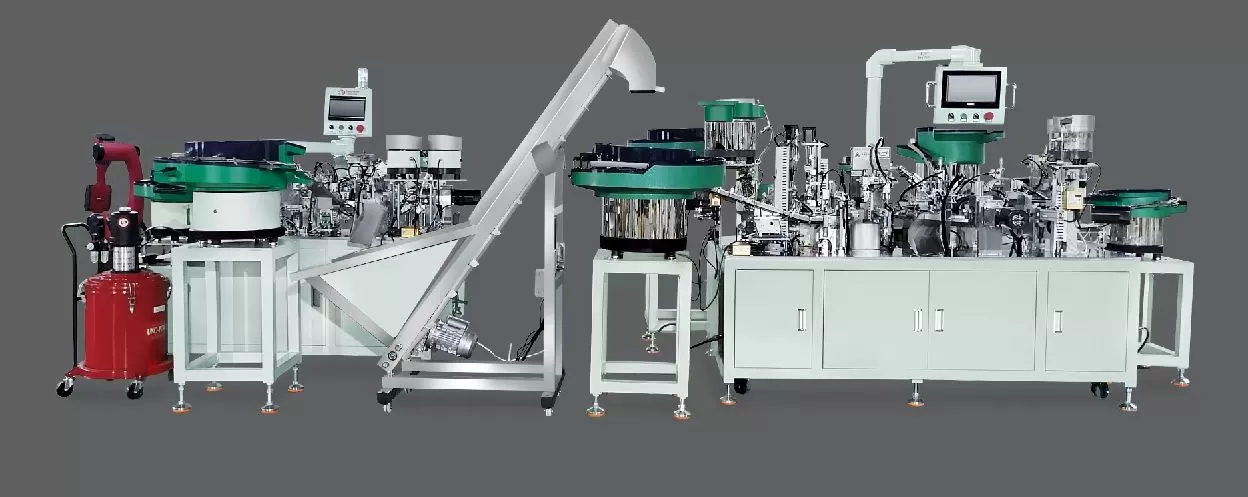
The finished product packaging process of a Jieyang hinge automatic assembly machine is a critical phase that ensures the safe delivery and presentation of the equipment to end-users. As a key link in the production cycle, proper packaging not only protects the machine from damage during transportation but also enhances the product's perceived value. For manufacturers like Sanyhore, specializing in hinge assembly machines, telescopic drawer slide assembly machines, and roll forming machines, the packaging process is carefully designed to meet industry standards and customer expectations. This article explores the essential steps and considerations in this process, highlighting how a systematic approach contributes to reliable and professional packaging.
Pre-Packaging Preparation: Laying the Groundwork
Before any physical packaging begins, thorough preparation is essential to streamline the process and minimize errors. This step involves calibrating packaging equipment, such as automatic shrink wrap machines or carton sealers, to ensure they function correctly. Operators also inspect the packaging materials—including anti-scratch bubble wraps, moisture-resistant cartons, and EPE foam cushions—to confirm they meet the machine's dimensions and protection requirements. Additionally, the workspace is cleared of obstacles, and the assembly line is adjusted to align with packaging workflow, reducing downtime and improving efficiency. At Sanyhore, this preparation phase is optimized to handle high-volume production, ensuring each hinge automatic assembly machine is ready for the next stage.
Product Positioning and Protection: Safeguarding Against Damage
Once the machine is ready for packaging, precise positioning and protection are prioritized. The hinge automatic assembly machine, a complex piece of equipment with delicate components, requires careful handling to prevent scratches, dents, or misalignment. Operators use specialized fixtures to secure the machine in an upright or horizontal position, depending on its design, ensuring balanced support.缓冲材料 (buffer materials) like EVA foam or air pillows are strategically placed around critical parts—such as the assembly mechanism, control panel, and moving parts—to absorb shocks during transit. Sanyhore's packaging protocols emphasize using non-abrasive materials to avoid damaging the machine's finish, a detail that reflects our commitment to quality.
Packaging Material Handling: Efficient and Reliable
The next step involves processing the packaging materials to fit the machine's size. For example, bubble wrap is cut to the exact dimensions of the machine's surface, while cartons are measured and folded to ensure a snug fit. Automated cutting machines are often used here to maintain consistency, reducing manual errors and saving time. At Sanyhore, we integrate advanced packaging systems that synchronize with our assembly line, ensuring materials are prepped in bulk to keep up with production rates. This integration is key to meeting tight delivery schedules without compromising on packaging quality.
Sealing and Labeling: Ensuring Clarity and Traceability
After positioning the machine and placing it in the packaging material, sealing and labeling are performed to secure the package and provide essential information. Heat shrink wrap is applied to cover the entire machine, using a tunnel heater to shrink the film tightly around the unit, creating a moisture and dust barrier. For carton packaging, high-strength tape is used to seal the flaps, ensuring the package remains intact during transportation. Labels are then affixed to the carton, containing critical details such as the machine model, production batch number, weight, and customer information. These labels not only aid in logistics tracking but also reassure customers of the product's authenticity and compliance.
Quality Inspection Before Final Packaging: A Final Check
Before the packaged machine leaves the facility, a final quality inspection is conducted to verify all aspects of the packaging. Inspectors check for any gaps in the packaging material, ensuring no sharp edges of the machine are exposed. They also confirm that the labels are correctly printed, with all information clearly visible and legible. Additionally, the overall package weight and dimensions are measured to ensure they align with shipping requirements, preventing issues with logistics carriers. This step is crucial for Sanyhore, as it ensures that every hinge automatic assembly machine meets our strict quality standards before reaching the customer.
Logistics and Shipping Preparation: Ready for Delivery
Once the packaging is confirmed as合格 (qualified), the final step is preparing the machine for shipping. The packaged units are stacked on pallets, with each layer separated by anti-slip mats to prevent shifting during transport. Pallets are then labeled with shipping marks, such as "Fragile," "This Side Up," and the destination address, to guide handlers. At Sanyhore, we work closely with trusted logistics partners to coordinate delivery, ensuring the packaging is compatible with various transport methods—whether by road, sea, or air. This coordination minimizes the risk of damage and ensures the machine arrives at the customer's site in optimal condition.
In conclusion, the finished product packaging process of a Jieyang hinge automatic assembly machine is a multifaceted task that requires precision, attention to detail, and advanced systems. At Sanyhore, we leverage decades of experience in manufacturing hinge assembly machines and related equipment to refine our packaging workflows, ensuring each unit is protected and presented professionally. If you are looking to optimize your hinge automatic assembly machine packaging or explore custom solutions for your production needs, contact our sales manager at +86 13425506550 or email info@sanyhore.com. Our team is ready to discuss how we can enhance your packaging process and deliver reliable, high-quality machines to your customers.


