

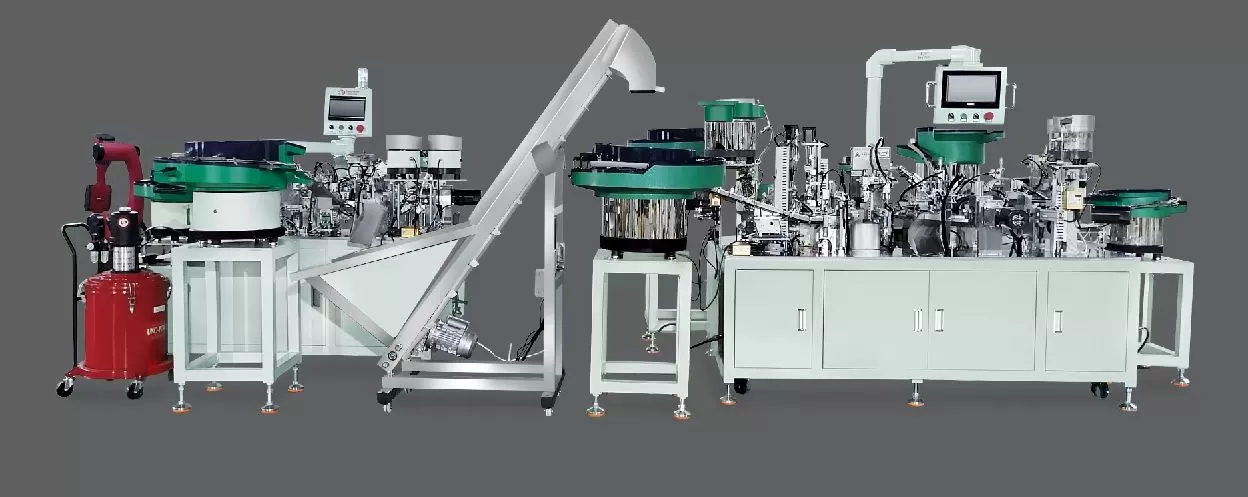
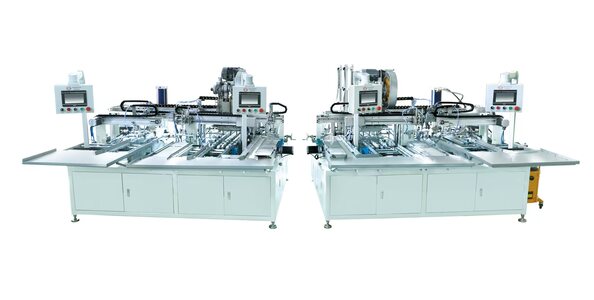
Sanyhore, a trusted name in precision automated equipment production, has built its reputation on a streamlined, end-to-end manufacturing process. From the initial spark of an idea to the final delivery of a fully functional machine, every step is rooted in technical expertise, rigorous testing, and a commitment to meeting client needs. This article explores the detailed journey of how Sanyhore transforms concepts into high-performance hinge assembly machines, telescopic drawer slide assembly machines, and roll forming machines.
Design & R&D Phase: Where Ideas Meet Technical Excellence
The first phase of Sanyhore’s manufacturing journey begins with the Design & R&D (Research and Development) phase. Unlike many competitors, the company does not rely on generic blueprints; instead, its engineers start by deeply understanding client requirements, market trends, and industry standards. For example, when developing a hinge assembly machine, the team collaborates with clients to identify specific hinge types, load capacities, and production speed demands. Using advanced Computer-Aided Design (CAD) and 3D modeling software, engineers draft detailed technical specifications, ensuring the machine’s structure, components, and automation systems align with both immediate needs and long-term scalability.
This phase also involves prototyping critical parts. Sanyhore’s in-house R&D lab uses rapid prototyping technologies, such as CNC machining and 3D printing, to test material durability and component functionality. By iterating on designs based on real-world data, the team eliminates potential flaws early, reducing the risk of production delays or performance issues in later stages.
Engineering & Prototyping: Bringing the Design to Life
Once the design is finalized, the Engineering & Prototyping phase shifts focus to integrating components and building a functional prototype of the full machine. Here, Sanyhore’s engineers leverage their expertise in mechanical, electrical, and software engineering to assemble the core systems. For a telescopic drawer slide assembly machine, this might include installing servo motors for precise movement, setting up conveyor systems for material flow, and programming the control panel to manage automated sequences.
A key aspect of this phase is technical validation. The prototype undergoes simulated production runs to test how it handles variables like material thickness, component alignment, and operational speed. Data from these tests—such as cycle time, error rates, and energy consumption—is analyzed to refine the machine’s performance. For instance, if a prototype’s slide assembly mechanism jams under high load, engineers adjust the gear ratio or add a buffer system to resolve the issue. This iterative prototyping ensures the final machine is not just functional but optimized for reliability.
Production Line Optimization: Scaling Efficiency with Automation
With a validated prototype, Sanyhore transitions to Production Line Optimization. This phase focuses on integrating the machine into a fully automated production ecosystem. The company’s in-house automation team specializes in designing custom systems that combine its core machines with robotics, conveyor belts, and intelligent software. For example, a roll forming machine for drawer slides might be paired with a robotic arm to load raw metal sheets, reducing manual labor and minimizing human error.
Efficiency is a priority here. Sanyhore uses Industry 4.0 technologies, such as IoT sensors and real-time monitoring systems, to track machine performance. This data helps identify bottlenecks—like a slowdown in material feeding—and allows for adjustments, such as upgrading to a high-torque motor or optimizing the conveyor speed. The result is a production line that operates at 95%+ uptime, ensuring clients receive machines that meet their production targets consistently.
Quality Control Protocol: Ensuring Uncompromising Standards
Quality control is embedded into every stage of Sanyhore’s manufacturing process, but the dedicated Quality Control Protocol phase formalizes this commitment. Raw materials—from steel alloys for hinge frames to precision bearings—are inspected using X-ray fluorescence (XRF) machines and tensile testers to verify material composition and strength. During assembly, each component is checked against strict tolerances using calipers, micrometers, and 3D coordinate measuring machines (CMMs) to ensure parts fit perfectly.
Post-assembly, the machine undergoes a series of stress tests. For a hinge assembly machine, this might involve simulating 100,000 cycles of opening and closing to test hinge durability. For roll forming machines, engineers run the machine with various material types to check for consistent forming accuracy. Any deviation from Sanyhore’s quality benchmarks—even minor ones—triggers rework, ensuring only machines that meet or exceed industry standards leave the facility.
Final Testing & Packaging: Delivering Confidence to Clients
Before shipping, each machine undergoes Final Testing & Packaging, the final step in the journey from concept to completion. This phase mimics real-world usage conditions to validate long-term performance. For example, a telescopic drawer slide assembly machine might be tested for 5,000+ cycles under full load to ensure smooth movement and minimal wear. The results are documented in a detailed test report, which is shared with clients to build transparency.
Packaging is equally important. Sanyhore uses custom wooden crates with foam padding to protect machines during transit, and each crate is labeled with clear handling instructions. Before dispatch, the sales team coordinates with logistics partners to ensure on-time delivery, with real-time tracking information provided to clients. This attention to detail ensures clients receive their machines in perfect condition, ready for immediate installation and operation.
Partner with Sanyhore for Reliable Automated Solutions
Sanyhore’s automated manufacturing process is more than a sequence of steps—it reflects the company’s dedication to innovation, quality, and client satisfaction. By combining technical expertise with cutting-edge technology, Sanyhore delivers hinge assembly machines, telescopic drawer slide assembly machines, and roll forming machines that enhance production efficiency and durability. Whether you need a custom solution or a standard model, Sanyhore is here to meet your needs. Contact our team today to discuss your project: +86 13425506550 or email info@sanyhore.com.
SEO常见问题:
1. What makes Sanyhore's automated manufacturing process stand out?
2. How does Sanyhore ensure the quality of hinge assembly machines?
3. Can Sanyhore customize telescopic drawer slide assembly machines?
4. What is the lead time for a roll forming machine from Sanyhore?
5. How does Sanyhore support clients after purchasing automated equipment?


