

.png)
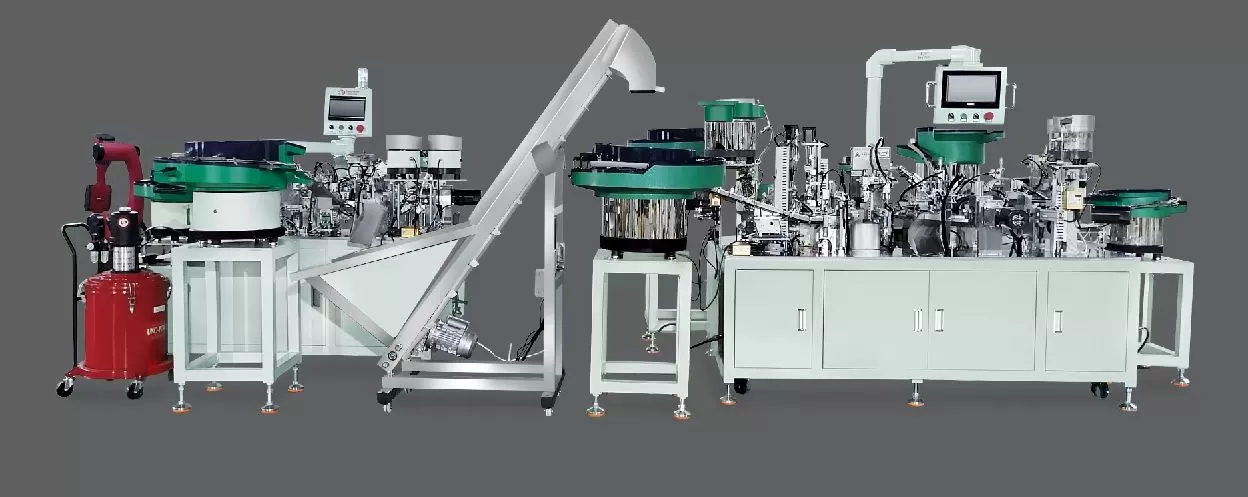
In modern manufacturing, material waste remains a persistent challenge, driving up operational costs and hindering sustainability goals. Sanyhore, a trusted provider of advanced automated production solutions, has developed innovative automatic systems tailored to address this issue. These systems, designed for hinge assembly, telescopic drawer slide, and roll forming processes, leverage precision, real-time control, and data-driven optimization to minimize waste, making them a critical asset for manufacturers aiming to enhance efficiency and reduce environmental impact.
Precision Engineering: The Cornerstone of Waste Minimization
At the heart of Sanyhore's automatic systems is precision engineering, which directly targets material waste by eliminating errors in component alignment and assembly. Unlike traditional manual methods, these systems use computerized mechanisms to position parts with sub-millimeter accuracy, reducing the need for excessive material to compensate for misalignment. For example, in hinge assembly, Sanyhore's machines ensure each hinge is perfectly seated on its mounting surface, minimizing gaps that would require additional filler materials or result in rejected products. This precision not only cuts material waste but also lowers the risk of defects, streamlining production workflows.
Automated Process Control: Eliminating Human Error
Human error is a major source of waste in manufacturing, often leading to overuse of materials, rework, or even scrap. Sanyhore's automatic systems mitigate this risk through integrated sensors and control algorithms that enforce consistent process parameters. In telescopic drawer slide assembly, for instance, the system monitors the depth and tension of slide components in real time, automatically adjusting if deviations occur to prevent over-tightening (which could crack metal parts) or under-tightening (which causes premature failure). By removing human oversight from critical steps, these systems ensure predictable, repeatable results, significantly reducing material loss from avoidable mistakes.
Real-Time Monitoring and Data-Driven Optimization
Sanyhore's automatic systems are equipped with advanced monitoring tools that collect and analyze production data, enabling proactive waste reduction. Sensors track metrics like material usage, cycle times, and component tolerance, feeding insights into an integrated dashboard. For roll forming machines, this data reveals trends in metal sheet deformation, allowing operators to adjust temperature, pressure, or roll positioning to optimize material flow. Over time, this data-driven approach identifies inefficiencies—such as sudden spikes in scrap from worn tools—and triggers maintenance or process adjustments before waste escalates. This level of visibility transforms reactive problem-solving into proactive waste management.
Scalability and Customization: Avoiding Overproduction
Waste often stems from overproducing parts to meet variable demand, leading to excess inventory and material waste. Sanyhore addresses this by designing automatic systems that are both scalable and customizable, aligning production output with actual needs. For example, a manufacturer with fluctuating orders can adjust the system’s speed or batch size, ensuring only the required number of hinges, slides, or formed metal components are produced. This flexibility eliminates overstocking and reduces the risk of material degradation (e.g., rust, deformation) in unused inventory, making Sanyhore’s systems a sustainable choice for both small and large-scale producers.
Operational Synergy: Integrating with Existing Workflows
Sanyhore’s automatic systems are engineered to integrate seamlessly with existing manufacturing setups, minimizing disruption while maximizing waste reduction. Unlike rigid, one-size-fits-all solutions, these systems can be adapted to different production lines, whether for hinge assembly, slide manufacturing, or roll forming. This compatibility ensures that manufacturers can upgrade key processes without overhauling their entire workflow, reducing downtime and preserving existing investments. By enhancing efficiency across the production chain, the systems indirectly cut waste from secondary inefficiencies, such as delays in material handling or tool changes.
Sustainability as a Core Value: Beyond Cost Savings
While reducing waste directly lowers operational costs, Sanyhore’s focus on waste reduction aligns with broader sustainability goals. By minimizing material usage and scrap, these systems help manufacturers meet environmental regulations and reduce their carbon footprint, a growing priority for consumers and regulators alike. For example, using less metal in hinge production or reusing trimmed边角料 (边角料: leftover materials) in roll forming processes (where applicable) not only saves resources but also positions manufacturers as responsible stewards of the environment. This dual benefit—cost savings and sustainability—makes Sanyhore’s automatic systems a compelling investment for forward-thinking businesses.
To discover how Sanyhore’s automatic systems can transform your manufacturing operations and reduce waste, contact our sales manager at +86 13425506550 or email info@sanyhore.com to schedule a personalized consultation. Our team of experts is ready to help you optimize your production processes and achieve greater efficiency.
SEO常见问题 (SEO FAQ):
1. Q: What types of automated systems does Sanyhore offer for waste reduction?
A: Sanyhore specializes in hinge assembly machines, telescopic drawer slide assembly machines, and roll forming machines, all designed to minimize material waste through precision, automation, and data analytics.
2. Q: How do Sanyhore’s automatic systems compare to manual methods in reducing waste?
A: Unlike manual processes, Sanyhore’s systems eliminate human error, ensure precise component alignment, and use real-time monitoring to reduce scrap, rework, and overproduction—key drivers of waste.
3. Q: Can Sanyhore’s automatic systems be customized for different production scales?
A: Yes, Sanyhore’s systems are scalable and customizable, allowing adjustment to batch sizes, speeds, and processes to align with your production volume, reducing overproduction waste.
4. Q: Do Sanyhore’s automatic systems integrate with existing manufacturing workflows?
A: Absolutely. Sanyhore designs systems to seamlessly integrate with current production lines, minimizing disruption while enhancing efficiency and reducing waste from secondary inefficiencies.
5. Q: How does Sanyhore support clients after purchasing automatic systems?
A: Sanyhore provides comprehensive post-purchase support, including data analysis, maintenance guidance, and process optimization to ensure long-term waste reduction and operational success.


