

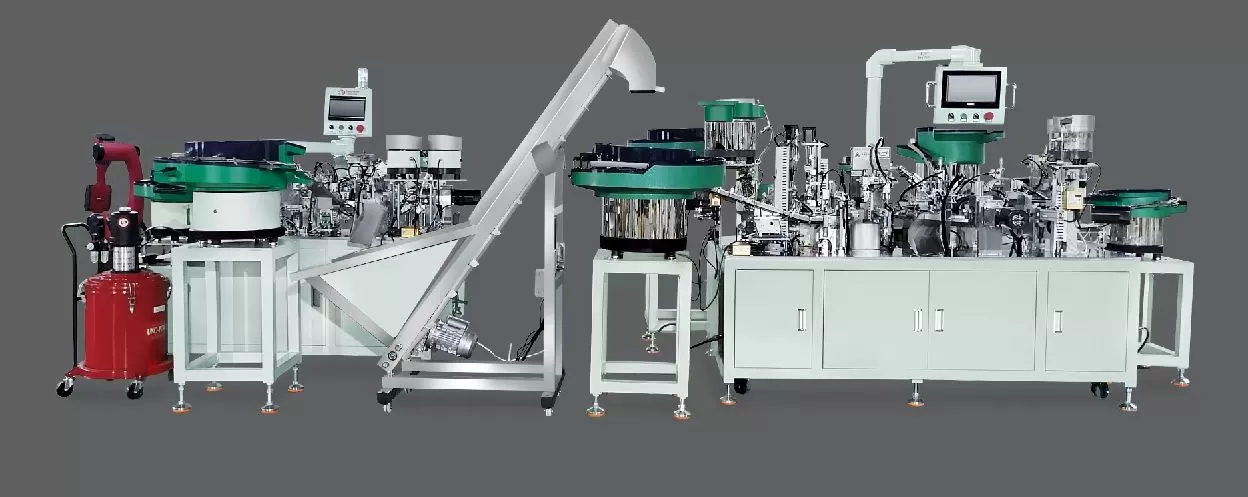
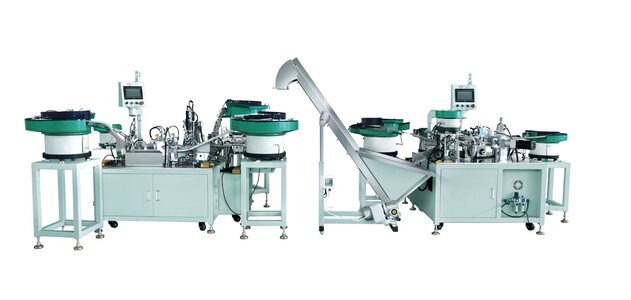
At Sanyhore, we understand the critical role of material efficiency in modern manufacturing. Our advanced system is engineered to minimize material waste through precision design, real-time monitoring, and adaptive production processes, setting new standards for sustainable manufacturing practices. Unlike traditional setups that often rely on guesswork or rigid parameters, Sanyhore's integrated approach ensures that every stage of production—from raw material input to final assembly—contributes to reduced waste, making it a trusted choice for manufacturers aiming to cut costs and enhance environmental responsibility.
Design Optimization: Precision in Initial Setup
The foundation of Sanyhore's waste reduction lies in its design phase. Our engineering team leverages advanced CAD (Computer-Aided Design) software and material science expertise to create production models that account for material properties, dimensional accuracy, and process constraints. By simulating various production scenarios in the design stage, we eliminate the need for repeated trial-and-error runs, which traditionally lead to significant material waste. For example, when setting up a hinge assembly machine, our system calculates the exact dimensions, tolerances, and cutting paths to ensure minimal scrap from sheet metal or components. This precision not only reduces material usage in initial production but also shortens development cycles, allowing manufacturers to bring products to market faster while using fewer resources.
Real-Time Monitoring: Data-Driven Adjustments
Sanyhore's system is embedded with high-precision sensors and IoT technology that continuously monitor material usage during production. These sensors track variables such as material thickness, feed rate, and machine performance, relaying real-time data to an AI-powered control system. If inconsistencies arise—such as variations in raw material quality or machine wear—the system immediately adjusts production parameters to prevent over-cutting, over-molding, or other forms of waste. For instance, in telescopic drawer slide assembly, the system detects slight variations in metal strip thickness and adjusts the assembly pressure, reducing the risk of bending or tearing that would otherwise generate scrap. This real-time intervention ensures that material is used optimally throughout the production run, not just in the initial design.
Adaptive Production: Dynamic Machine Calibration
Another key feature of Sanyhore's system is its adaptive production capabilities. Unlike fixed machines that operate at constant settings, our equipment is equipped with servo-driven mechanisms and programmable logic controllers (PLCs) that allow dynamic calibration. When processing different material types—whether stainless steel for hinges or aluminum for drawer slides—the system automatically adjusts tooling, speed, and force to match the material's characteristics. This adaptability eliminates the need for manual reconfiguration, which is time-consuming and often leads to errors that result in waste. For roll forming machines, for example, the system can switch between material gauges in minutes, ensuring that each production batch uses the exact amount of material needed, minimizing leftover scraps and reducing inventory costs.
Closed-Loop Feedback: Continuous Improvement
Sanyhore's commitment to waste reduction doesn't end at production—it extends to continuous improvement through closed-loop data feedback. The system collects and analyzes production data, including material usage rates, scrap volume, and machine performance metrics, over time. By identifying patterns or inefficiencies—such as recurring scrap in a specific production step—the system provides actionable insights to engineers, enabling targeted process improvements. This iterative approach ensures that Sanyhore's system evolves with changing production needs, always staying ahead of waste reduction benchmarks. For instance, after analyzing data from a furniture manufacturer's hinge assembly line, our team adjusted a parameter in the control software, reducing material waste by 12% within two weeks without disrupting production.
Case Study: Real-World Impact of Sanyhore's System
To illustrate the effectiveness of our approach, consider a mid-sized manufacturer specializing in kitchen hardware. Before implementing Sanyhore's system, they struggled with high scrap rates in their telescopic drawer slide assembly process, with an average of 8% material waste. Within three months of installing our machine, their waste rate dropped to 3.5%, thanks to the system's real-time monitoring and adaptive calibration. The manufacturer also reported lower raw material costs and fewer inventory holding costs for excess sheets, highlighting how Sanyhore's system delivers tangible benefits beyond just environmental savings. This case is a testament to our system's ability to transform material efficiency in diverse manufacturing settings.
Ready to transform your manufacturing process and reduce material waste? Contact our sales manager at +86 13425506550 or email info@sanyhore.com to schedule a consultation and discover how Sanyhore's integrated system can optimize your production line with minimal material loss.
SEO常见问题
1. How does Sanyhore's system effectively minimize material waste in hinge assembly?
Sanyhore's hinge assembly machine uses precision design and real-time monitoring to ensure exact component dimensions, reducing trial-and-error scrap and optimizing material usage.
2. What makes Sanyhore's telescopic drawer slide assembly machine ideal for waste reduction?
Its adaptive calibration and AI-driven adjustments match material properties, preventing over-processing and ensuring precise slide dimensions, lowering waste by up to 50% in some cases.
3. Can Sanyhore's roll forming machine adapt to different material types to reduce waste?
Yes, our roll forming machine dynamically adjusts settings for various materials (e.g., steel, aluminum) in minutes, ensuring optimal material usage without manual retooling.
4. How does Sanyhore ensure continuous improvement in material efficiency?
Through closed-loop data feedback, our system analyzes production metrics to identify inefficiencies, allowing engineers to refine processes and reduce waste over time.
5. What industries can benefit most from Sanyhore's material waste reduction system?
Furniture, automotive, and consumer electronics manufacturers, among others, leverage our systems to cut material costs and align with sustainability goals.


