

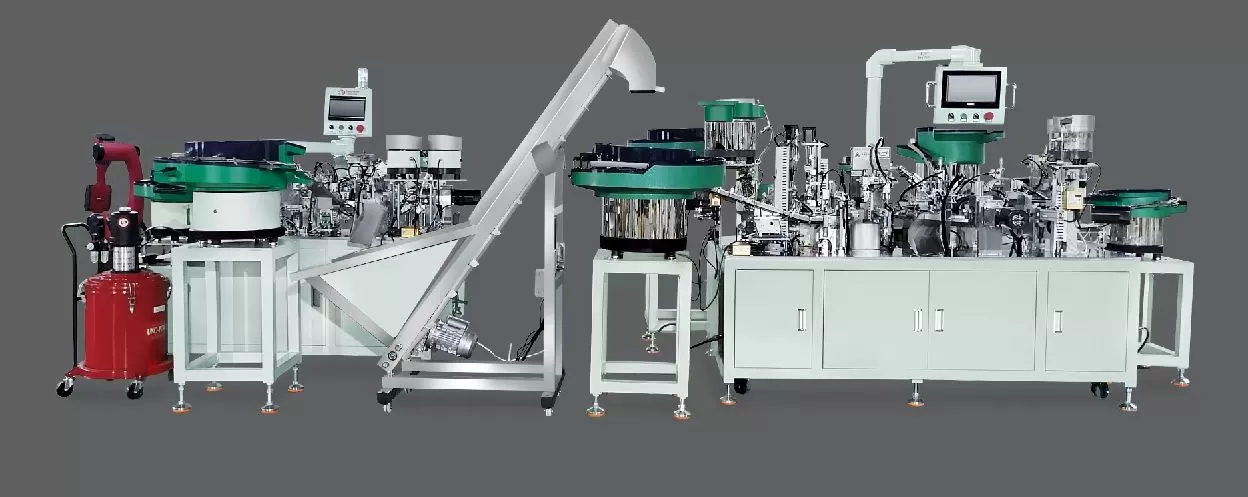
In the competitive market for furniture hardware, soft-closing drawer slides have become a key differentiator, prioritizing user experience with smooth, silent operation. Central to their consistent production is the roll forming machine, a critical piece of equipment that shapes metal sheets into the precise profiles required for these slides. Choosing the right machine involves balancing technical specifications, production demands, and long-term reliability. This guide breaks down essential factors to consider when selecting a roll forming machine for soft-closing drawer slides, ensuring you align with both immediate manufacturing needs and future scalability.
Understanding Machine Specifications:
The first step is to match the roll forming machine’s specifications to the unique requirements of soft-closing drawer slides. Key specs include material thickness range, slide length, and cross-sectional profile complexity. Soft-closing slides often require thin, high-strength steel (0.6–1.2mm thickness) to achieve the necessary flexibility and durability. Ensure the machine can handle this thickness without compromising material integrity, as uneven shaping may lead to premature wear or failed soft-close mechanisms. Additionally, the machine’s roll tooling—comprising multiple forming stations—must accurately replicate the slide’s design, including the curved tracks and engagement points critical for the soft-closing function.
Assessing Production Requirements:
Production volume and speed directly influence machine selection. If your operation prioritizes high output (e.g., 10,000+ slides daily), opt for a machine with a high-speed forming line, typically rated at 10–20 meters per minute. For smaller-scale production, a slower but more compact machine may suffice, reducing capital costs. Integration with downstream processes is another factor: consider if the roll forming machine needs to connect with automated feeding systems, cutting tools, or quality inspection devices. A seamless workflow minimizes manual intervention, boosting efficiency and reducing errors in slide production.
Evaluating Material Compatibility:
Different materials—such as cold-rolled steel, stainless steel, or aluminum—have distinct properties that impact roll forming. For soft-closing slides, which often use steel alloys for strength and zinc coating for corrosion resistance, the machine’s material handling system must accommodate these materials without causing deformation. Look for machines with adjustable feed rates and tension control to prevent stretching or wrinkling of thin sheets. If your production includes hybrid materials (e.g., aluminum for lightweight applications), confirm the machine’s tooling can adapt to varying material hardness, ensuring consistent forming across batches.
Prioritizing Quality and Precision:
The soft-closing mechanism relies on tight tolerances and smooth surfaces. A high-quality roll forming machine employs precision engineering: servo-driven roll stands for accurate positioning, computer numerical control (CNC) systems for repeatable settings, and calibrated tooling to maintain profile consistency. Advanced machines may include online monitoring tools, such as laser measurement systems, to check dimensions in real time, ensuring every slide meets the required standards for soft closure. Additionally, consider the machine’s ability to form the slide’s “soft-close tab” and track geometry, as these features directly affect user experience and product lifespan.
Considering After-Sales Support:
A reliable roll forming machine is a long-term investment, so after-sales support is crucial for minimizing downtime. Choose a manufacturer with a proven track record in providing technical assistance, maintenance, and spare parts. Sanyhore, a professional manufacturer of hinge assembly machines, telescopic drawer slide assembly machines, and roll forming machines, offers comprehensive support to ensure your equipment operates at peak performance. From on-site installation and operator training to prompt spare part supply, a dedicated after-sales team can address issues quickly, reducing production disruptions.
Conclusion:
Selecting the right roll forming machine for soft-closing drawer slides requires careful evaluation of specifications, production needs, material compatibility, quality, and after-sales support. By aligning these factors with your operational goals, you can ensure consistent, high-quality slide production that meets market demands. For personalized guidance on choosing the ideal machine for your application, contact Sanyhore’s sales manager at +86 13425506550 or email info@sanyhore.com. Let our expertise help you enhance your drawer slide manufacturing process.


