

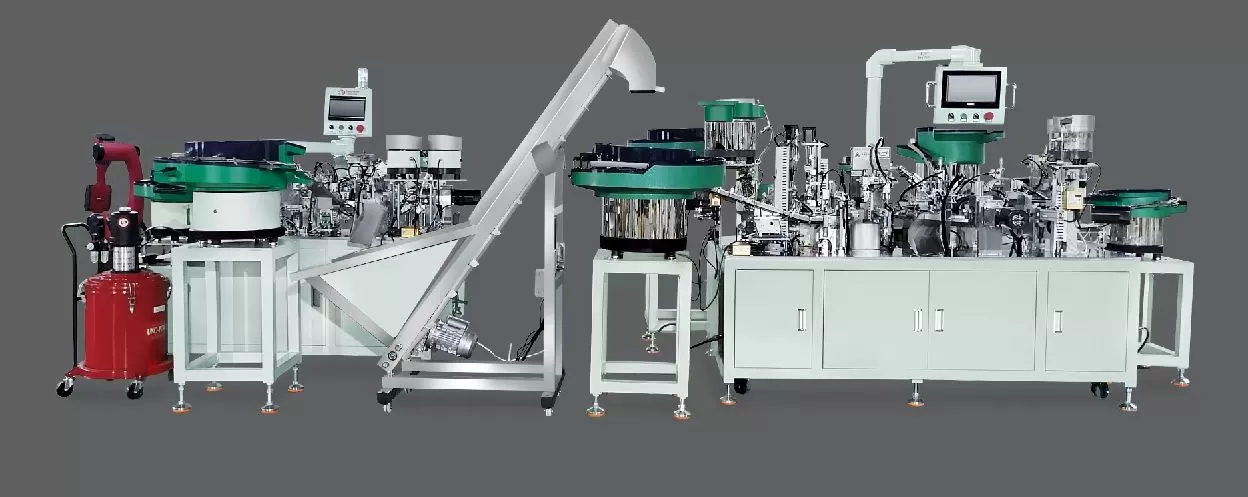
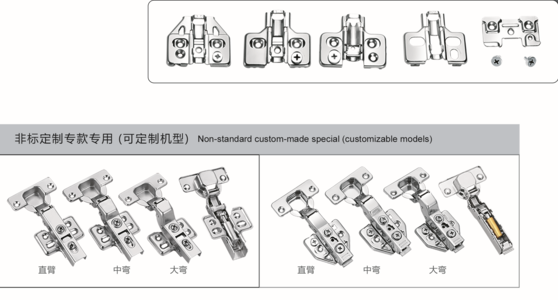
The Jieyang hinge automatic assembly machine represents a cornerstone in modern manufacturing, where precision and efficiency are paramount. As production demands rise, traditional monitoring methods—relying on manual checks and periodic inspections—often fall short, leading to delayed issue detection, increased downtime, and compromised product quality (Sanyhore, 2024). This is where IoT (Internet of Things) integration emerges as a transformative solution, enabling real-time visibility, data-driven insights, and proactive maintenance for hinge assembly lines. By embedding smart sensors, data transmission systems, and analytics tools into the assembly machine, manufacturers can monitor every operational parameter, detect anomalies, and optimize performance like never before. This article explores the comprehensive IoT monitoring process for Jieyang hinge automatic assembly machines, detailing its implementation, benefits, and how Sanyhore, a leading producer of hinge assembly equipment, leverages this technology to deliver cutting-edge solutions.
1. IoT Integration: The Foundation of Smart Hinge Assembly
To implement effective IoT monitoring, the first step is integrating smart sensors into the hinge automatic assembly machine. These sensors are strategically placed at critical operational points, such as drive motors, gearboxes, tooling systems, and material feeding mechanisms. Vibration sensors monitor mechanical stress, temperature transducers track heat generation, pressure transmitters measure force during clamping or pressing operations, and position encoders record the movement of components like hinges or slides. By capturing multi-dimensional data—from speed and torque to alignment and wear—these sensors create a detailed "digital twin" of the assembly process, enabling continuous state assessment. For instance, a vibration sensor near the machine’s main motor can detect abnormal vibrations that signal potential bearing wear, while a temperature sensor in the tooling area alerts operators to overheating caused by excessive friction. This sensor network forms the backbone of IoT monitoring, ensuring no critical operational detail is overlooked.
2. Data Acquisition and Secure Transmission: From Machine to Cloud
Once data is collected, the next challenge is reliable transmission to a central monitoring platform. IoT-enabled hinge assembly machines typically use edge computing to preprocess raw data, filtering out noise and retaining only relevant information to reduce bandwidth usage. This preprocessing step might involve aggregating sensor readings over short intervals, applying threshold checks, or using lightweight machine learning models to flag immediate anomalies, such as a sudden drop in production speed. The processed data is then transmitted to the cloud via low-latency protocols like MQTT (Message Queuing Telemetry Transport) or LoRaWAN (Long-Range Wide Area Network), depending on the machine’s location and data volume requirements. MQTT, ideal for real-time applications, uses a publish-subscribe model to efficiently deliver data between sensors and the cloud, while LoRaWAN excels in long-distance, low-bandwidth scenarios, making it suitable for large-scale deployment across factory floors. Security is also critical; data transmission is encrypted using TLS/SSL protocols, ensuring sensitive production and machine data remains protected from unauthorized access.
3. Real-Time Monitoring Dashboard: Visualizing Production Dynamics
A key advantage of IoT monitoring is the ability to visualize real-time data through an intuitive dashboard. This interface, accessible via web browsers or mobile apps, presents operators and managers with a holistic view of the hinge automatic assembly machine’s performance. Key metrics displayed include production rate, cycle time, component pass/fail ratio, machine uptime, and sensor-derived parameters like temperature, vibration, and pressure. Color-coded indicators highlight normal (green), warning (yellow), and critical (red) states: green for stable operations, yellow for parameters approaching thresholds, and red for anomalies requiring immediate attention. For example, if the dashboard shows a red flag for a tooling temperature exceeding 80°C, operators can quickly investigate, adjust parameters, or pause production to prevent damage. Advanced dashboards also include historical trend charts, allowing teams to identify patterns—such as gradual increases in motor current over time—that might indicate incipient failures, even before they manifest as operational issues.
4. Predictive Maintenance: Anticipating Failures Before They Occur
Beyond real-time monitoring, IoT integration enables predictive maintenance, a paradigm shift from reactive to proactive equipment care. By analyzing historical and real-time sensor data, machine learning algorithms identify patterns associated with impending failures. For instance, a model trained on vibration data from the hinge assembly machine’s drive system might detect that a specific frequency spike correlates with bearing degradation, even when the vibration magnitude is still within normal operating limits. This allows maintenance teams to schedule interventions before the machine breaks down, minimizing unplanned downtime. Predictive maintenance also extends to consumables, such as cutting tools or lubricants, by monitoring their wear rates and triggering alerts when replacement is needed. Sanyhore’s hinge automatic assembly machines, equipped with IoT monitoring, can thus reduce maintenance costs by 30-40% and increase overall equipment effectiveness (OEE) by optimizing maintenance schedules and reducing idle time.
5. Operational Optimization: Boosting Efficiency and Quality
IoT monitoring doesn’t just enhance reliability; it also drives operational efficiency and product quality. By analyzing real-time data, manufacturers can identify bottlenecks in the hinge assembly process, such as a slowdown in the feeding mechanism or misalignment in the stamping unit. Adjustments to production parameters—like modifying the press force or conveyor speed—can then be made to optimize throughput. Additionally, IoT systems enable closed-loop control, where machine settings are automatically adjusted based on feedback from sensors. For example, if a sensor detects that a hinge is slightly misaligned, the system can tweak the positioning of the clamping fixture to maintain precision, reducing the number of defective units. Over time, this data-driven approach leads to consistent, high-quality output, aligning with the stringent standards required in industries like furniture, automotive, and aerospace.
6. Sanyhore: Your Partner in Smart Hinge Assembly Solutions
At Sanyhore, we specialize in designing and manufacturing hinge automatic assembly machines, telescopic drawer slide assembly machines, and roll forming machines that seamlessly integrate IoT monitoring capabilities into their core design. Our machines are engineered with modular IoT kits, allowing easy retrofitting to existing equipment or integration during initial production. As a trusted manufacturer with years of expertise, we understand the unique challenges of hinge assembly and are committed to delivering solutions that enhance productivity, reduce costs, and future-proof your production line. Whether you need a standard hinge assembly machine or a custom solution tailored to your specific requirements, Sanyhore is here to support you. Contact our sales manager at +86 13425506550 or email us at info@sanyhore.com to discuss how IoT monitoring can transform your hinge production process.
7. Conclusion
In conclusion, IoT monitoring has revolutionized the operation of hinge automatic assembly machines, offering unprecedented visibility, control, and efficiency. By integrating smart sensors, secure data transmission, and advanced analytics, manufacturers can achieve real-time insights, predictive maintenance, and data-driven optimization—key factors in staying competitive in today’s fast-paced manufacturing landscape. As a leading producer of hinge assembly equipment, Sanyhore is at the forefront of this technological shift, providing machines that are not only reliable but also designed to grow with your needs. To learn more about how IoT monitoring can benefit your production line, reach out to Sanyhore today.
标题:Implementing IoT Monitoring in Hinge Automatic Assembly Line
关键词:IoT monitoring, hinge automatic assembly machine, automatic assembly, predictive maintenance, real-time monitoring
描述:Discover how IoT monitoring enhances Jieyang hinge automatic assembly machines with real-time data, predictive maintenance, and improved production efficiency. Contact Sanyhore for your assembly solutions.


