

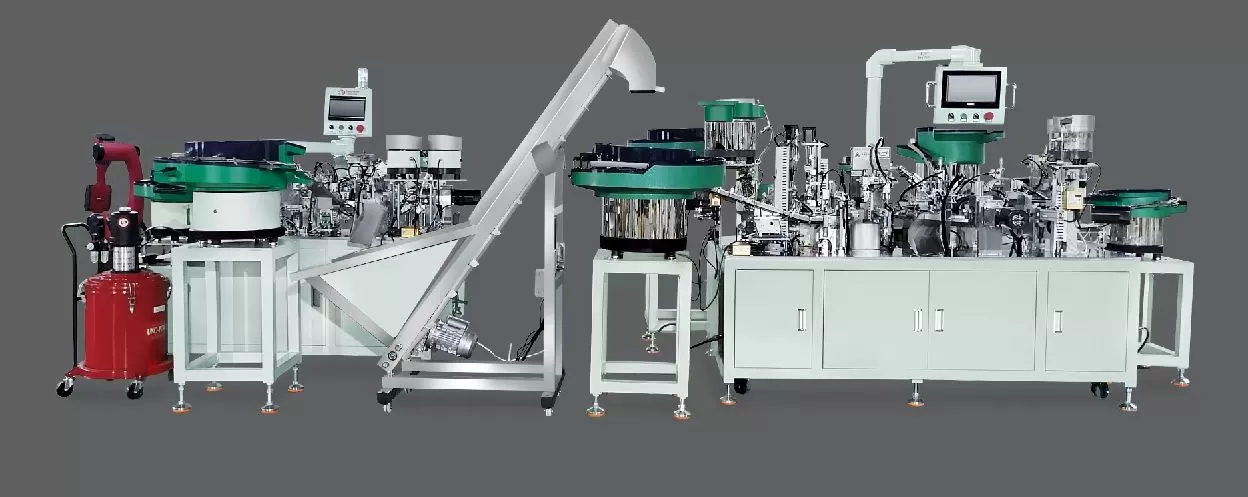
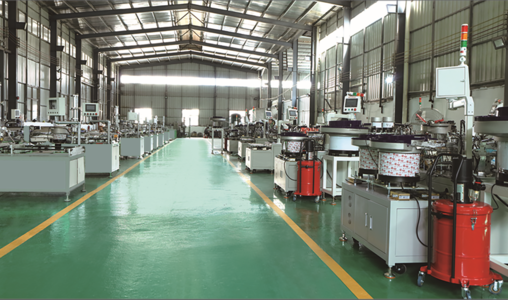
The global furniture manufacturing industry increasingly prioritizes efficiency and precision in component production, with drawer slides standing as critical elements for cabinetry, drawers, and storage systems. Traditionally, manual installation has been the go-to method for assembling these slides, but recent advancements in automatic assembly machines have sparked a debate: is mechanized assembly truly superior, or does manual installation still hold value? This article explores the key differences between Jieyang drawer slide assembly machines and manual installation, helping manufacturers make informed decisions for their production lines.
Efficiency: Time and Output
Efficiency is often the primary driver behind adopting new manufacturing technologies, and drawer slide assembly machines excel here. Manual installation, while feasible for small-batch production, typically requires workers to align, fasten, and test each slide individually. A skilled technician might assemble 10–15 slides per hour, depending on complexity, while a modern Jieyang drawer slide assembly machine can process 100+ slides hourly. This leap in output directly translates to higher throughput for production lines, reducing lead times and meeting tighter customer deadlines. For large-scale manufacturers, the time saved by automatic assembly can lower overall production costs, as fewer labor hours are needed to achieve the same output.
Precision and Consistency: Reducing Defects
In furniture manufacturing, precision is non-negotiable—even minor misalignments in drawer slides can lead to jamming, uneven movement, or reduced product lifespan. Manual installation relies heavily on operator skill, which varies between workers, leading to inconsistent quality. A single technician might apply more force to a fastener here, or misalign a telescopic section there, creating subtle defects that accumulate over time. In contrast, Jieyang drawer slide assembly machines use computerized controls and mechanical fixtures to ensure each component is positioned and fastened to exact tolerances. This consistency minimizes defects, reducing the need for rework and improving customer satisfaction with durable, reliable slides.
Cost Consideration: Short-Term vs Long-Term Investment
At first glance, the upfront cost of a drawer slide assembly machine may seem prohibitive compared to manual tools like screwdrivers or clamps. However, long-term cost analysis reveals significant savings. Manual installation requires hiring and training skilled workers, who may demand higher wages and are prone to errors that increase material waste. Over a year, the cumulative cost of labor, rework, and missed production targets can outweigh the initial investment in an automatic machine. Additionally, modern machines often integrate roll forming and other advanced processes, reducing reliance on multiple manual steps and lowering overall operational expenses. For manufacturers scaling production, the long-term ROI of an assembly machine becomes clear.
Ease of Operation: Skill Requirements
Manual installation demands a high level of technical skill, especially for complex telescopic drawer slides with multiple components. Workers must understand torque specifications, material compatibility, and slide mechanics to avoid damaging parts. This skill gap can slow down production during peak periods or when labor turnover is high. Jieyang drawer slide assembly machines, however, are designed for user-friendliness. Most models feature intuitive touchscreens, pre-programmed settings, and safety interlocks, allowing operators with minimal training to set up and run the machine. This reduces dependency on specialized labor, making production more flexible and resilient to skill shortages.
Application Scenarios: When to Choose Which Method
Neither manual installation nor automatic assembly is universally superior—their suitability depends on production needs. Small workshops or custom furniture makers may benefit from manual installation for low-volume, one-off projects, where the personal touch of a skilled technician can enhance craftsmanship. However, for high-volume, standardized production, Jieyang drawer slide assembly machines are indispensable. They excel in producing consistent, high-quality telescopic slides, hinge assemblies, and other components, supporting manufacturers in meeting market demands for speed and reliability.
Conclusion and Next Steps
The comparison between Jieyang drawer slide assembly machines and manual installation highlights a clear trend: automation is reshaping furniture manufacturing by delivering efficiency, precision, and long-term cost savings. While manual methods have their place, modern assembly machines are proving to be a game-changer for producers aiming to scale, reduce defects, and stay competitive.
If you’re looking to upgrade your production line, consider Sanyhore—we specialize in designing and manufacturing top-tier hinge assembly machines, telescopic drawer slide assembly machines, and roll forming machines tailored to your needs. With our equipment, you can streamline operations, enhance product quality, and meet growing market demands.
Contact our sales manager today at +86 13425506550 or email info@sanyhore.com to discuss how we can support your production goals.


