

TDK (放在聊天区)
标题:Jieyang Drawer slide assembly machine: Simplifying Calibration and Setup for Telescopic Slide Production
关键词:Jieyang Drawer Slide Assembly Machine, calibration, setup, telescopic drawer slide assembly machine, hinge assembly machine
描述:Master calibration and setup for Jieyang drawer slide assembly machines. Learn to optimize telescopic slide production with Sanyhore’s guidance. Contact +86 13425506550 or email info@sanyhore.com.
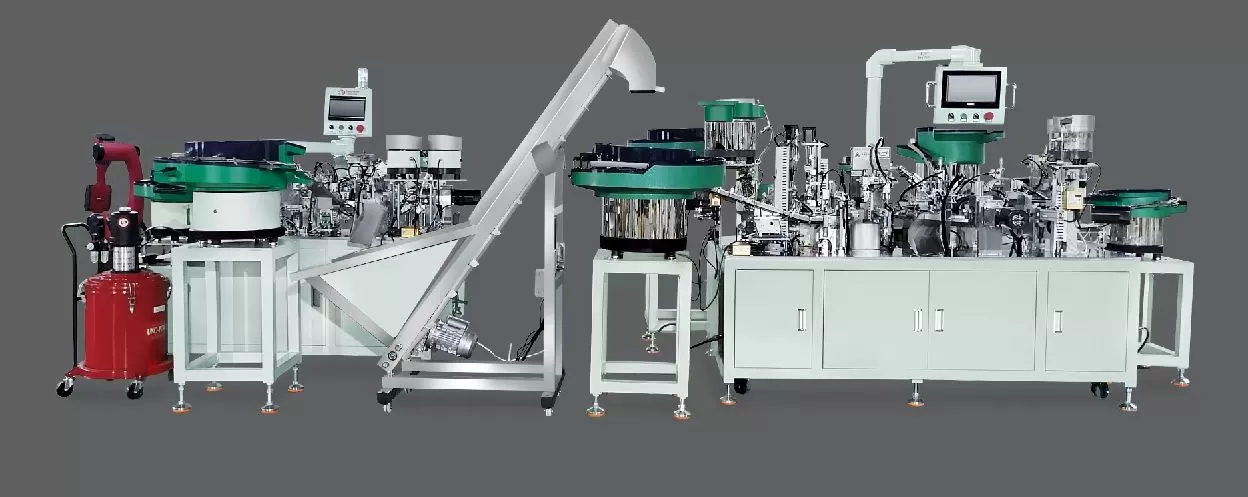
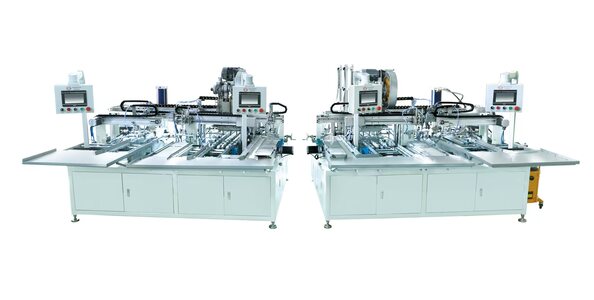
For manufacturers in Jieyang, the efficiency and precision of drawer slide assembly machines directly impact production output and product quality. Among these, the telescopic drawer slide assembly machine stands out as a core piece of equipment, requiring proper calibration and setup to deliver consistent results. This guide breaks down the process, making calibration and setup straightforward for operators, whether new to the machine or seeking to refine their workflow.
#Understanding the Critical Role of Calibration and Setup
Before diving into technical steps, it’s essential to grasp why calibration and setup matter. A well-calibrated drawer slide assembly machine ensures that each component—from the rails to the ball bearings—aligns perfectly, reducing friction and preventing jams. Proper setup, on the other hand, optimizes cycle times, ensuring the machine runs at its maximum capacity while minimizing material waste. For Sanyhore, a professional manufacturer of hinge assembly machines, telescopic drawer slide assembly machines, and roll forming machines, these processes are foundational to reliable equipment performance.
#Step-by-Step Calibration Process for Jieyang Drawer Slide Assembly Machines
Calibration is not a one-time task but an ongoing process to maintain precision. Here’s a structured approach:
1. Pre-Calibration Inspection: Start by checking the machine’s mechanical components—rails, drive systems, and clamping mechanisms—for wear or misalignment. Clean surfaces and ensure all fasteners are securely tightened.
2. Parameter Reset: Use the machine’s control panel to reset default parameters to factory settings if adjustments were previously made. This avoids interference from old data.
3. Reference Point Alignment: Utilize the machine’s built-in reference markers to align the main slide rails. For telescopic slides, ensure the inner and outer rails align with minimal gap variation (typically within 0.1mm).
4. Sensor Calibration: Test proximity sensors and limit switches to confirm they trigger at the correct positions. Adjust if readings are inconsistent, as this directly impacts assembly accuracy.
5. 试运行与微调: Run a short production test with sample slides. Monitor for issues like uneven movement or excessive noise. Fine-tune parameters (e.g., motor speed, pressure) based on test results.
#Essential Setup Guidelines for Telescopic Drawer Slide Assembly
Proper setup goes hand-in-hand with calibration, focusing on operational efficiency:
- Component Feeding System: Adjust the feeder tracks to match the slide dimensions, ensuring smooth component delivery without jamming. This is critical for hinge assembly machines too, as consistent feeding streamlines all assembly processes.
- Tooling Alignment: Verify that jigs and fixtures (e.g., for attaching ball bearings or fasteners) are centered and secure. Misaligned tooling can lead to off-center holes or loose connections, reducing slide durability.
- Cycle Time Optimization: Program the machine to adjust cycle time based on slide length and material thickness. For example, longer telescopic slides may require a slightly extended cycle to ensure proper engagement of all moving parts.
- Safety Interlock Check: Test all safety interlocks (e.g., emergency stops, door sensors) to ensure they function correctly. A malfunctioning interlock not only halts production but also risks operator injury.
#Troubleshooting Common Calibration and Setup Issues
Even with careful steps, challenges may arise. Here are key issues and solutions:
- Uneven Rail Movement: If slides bind during extension, check for bent rails or misaligned drive belts. Tighten or replace the belt and straighten rails using a precision ruler.
- Inconsistent Hinge Attachment: For hinge assembly machines, ensure the hinge placement sensor is correctly calibrated. If hinges are offset, adjust the X-Y axis alignment of the assembly head.
- Excessive Noise: Noises often stem from loose fasteners or dry lubrication. Tighten all components and apply a water-based lubricant to moving parts to reduce friction.
#Maintenance Tips to Ensure Long-Term Machine Performance
To keep the Jieyang drawer slide assembly machine in peak condition:
- Daily Checks: Inspect the machine for debris, tighten loose parts, and verify lubrication levels. A clean, well-lubricated machine reduces wear and tear.
- Weekly Lubrication: Focus on critical points like gearboxes, drive rods, and pivot joints. Use manufacturer-recommended lubricants to avoid damaging components.
- Monthly Parameter Review: Review production logs to identify trends, such as increasing cycle times or recurring errors, which may signal the need for more in-depth calibration.
Conclusion
Calibration and setup are the cornerstones of maximizing the performance of Jieyang drawer slide assembly machines. By following these structured steps, operators can ensure precision, efficiency, and reliability in telescopic slide production. For manufacturers seeking to enhance their assembly line with professional-grade equipment, Sanyhore offers hinge assembly machines, telescopic drawer slide assembly machines, and roll forming machines tailored to diverse production needs.
To discuss your specific requirements or to inquire about Sanyhore’s machines, contact us at +86 13425506550 or email info@sanyhore.com. Our team is ready to support you in optimizing your production processes.


