

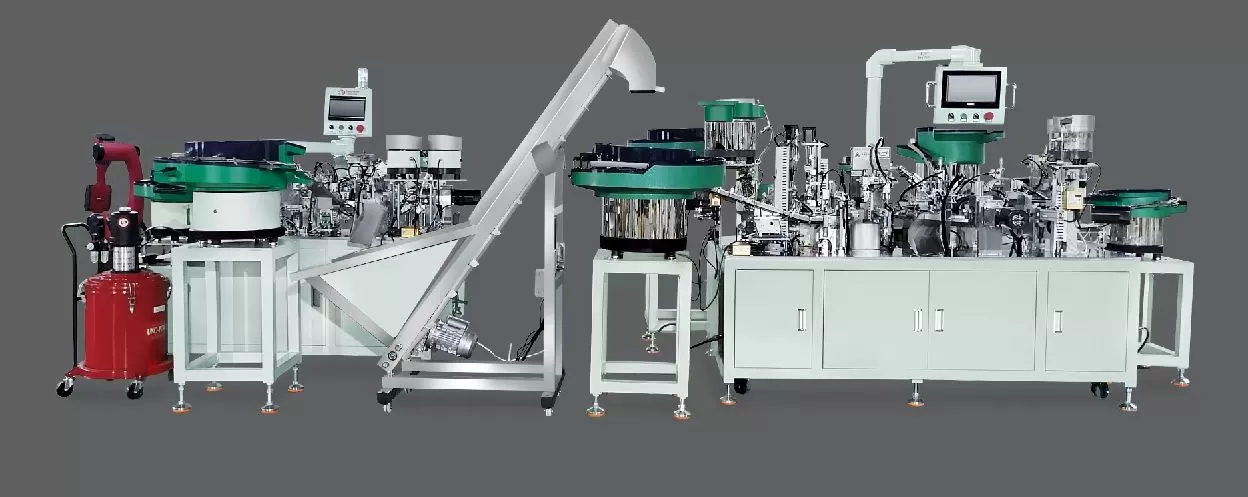
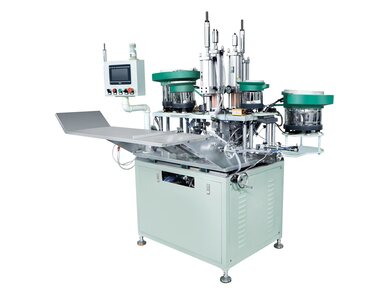
In the fast-paced world of manufacturing, the efficiency of assembly processes directly impacts a company’s bottom line, sustainability goals, and ability to meet market demands. For drawer slide production—an integral part of furniture, cabinetry, and storage solutions—minimizing product waste during assembly is not just a best practice but a necessity. Conventional methods often grapple with inconsistencies, leading to material loss, defective products, and extended production cycles. However, advanced Jieyang drawer slide assembly machines have emerged as a game-changer, leveraging automation and precision engineering to transform how waste is managed in assembly lines. These machines are designed to address the unique challenges of telescopic slide assembly, ensuring every component is placed, aligned, and secured with minimal error—ultimately reducing waste and elevating overall production standards.
The Challenge of Conventional Assembly Processes
Traditional drawer slide assembly relies heavily on manual or semi-automated setups, which are prone to human error. Even with experienced operators, variations in component alignment, torque application, or part placement can result in defective slides. This not only leads to product rejection but also wastes valuable materials—from metal strips and rollers to fasteners. Additionally, the lack of real-time monitoring in conventional systems makes it difficult to identify waste hotspots early, leading to cascading inefficiencies. Over time, these issues increase production costs, extend lead times, and undermine the consistency that modern markets demand. For manufacturers, addressing these challenges is no longer optional but critical to staying competitive.
How Jieyang Drawer Slide Assembly Machines Optimize Waste Reduction
Jieyang drawer slide assembly machines are designed to tackle these inefficiencies head-on through advanced automation and precision engineering. Unlike manual methods, these machines leverage computerized control systems to ensure each component is positioned and assembled with pinpoint accuracy. By integrating sensors and adaptive algorithms, they can detect and correct misalignments in real time, significantly reducing the risk of defective parts. Moreover, the machines are engineered to optimize material usage—for example, by minimizing scrap during cutting or ensuring tight tolerances that reduce the need for rework. This dual focus on precision and material efficiency directly translates to lower waste output, making them ideal for manufacturers prioritizing sustainability and cost control.
Key Features Driving Efficiency and Waste Minimization
A closer look at Jieyang drawer slide assembly machines reveals several key features that set them apart in waste reduction. First, their integrated precision positioning systems ensure that every part—from the outer rails to the inner telescoping components—is aligned perfectly, eliminating gaps or overlaps that would cause waste. Second, many models include adaptive force control, which adjusts the assembly pressure based on component thickness or material type, preventing over-tightening or damage to delicate parts. Third, modern iterations often come with built-in data logging, allowing manufacturers to track waste patterns over time and identify opportunities for further optimization. Together, these features create a production environment where waste is not just reduced but actively managed, turning it from a byproduct into a problem to be solved.
Real-world Benefits: From Cost Savings to Quality Improvement
The impact of Jieyang drawer slide assembly machines extends beyond waste reduction to broader operational improvements. By minimizing product waste, manufacturers can lower raw material costs—often a significant expense in slide production. Reduced rework also means shorter production cycles, allowing for faster order fulfillment and increased throughput. Equally important, the consistent quality achieved by these machines enhances customer satisfaction, as defective slides are drastically reduced. For example, a furniture manufacturer using such a machine reported a 30% decrease in material waste and a 25% improvement in on-time delivery within the first six months of implementation. These real-world results demonstrate that investing in advanced assembly technology is not just a cost but a strategic advantage.
Why Sanyhore Stands Out as a Reliable Partner
When selecting a drawer slide assembly machine, partnering with a manufacturer with deep expertise in the field is essential. Sanyhore, a leading producer of hinge assembly machines, telescopic drawer slide assembly machines, and roll forming machines, brings decades of experience to every project. Our machines are engineered with a focus on both performance and reliability, ensuring they consistently deliver the waste reduction benefits described above. Beyond the equipment itself, we offer tailored support—from initial consultation to after-sales service—to help you maximize your investment. Whether you need to upgrade your current production line or start fresh, Sanyhore is committed to providing solutions that align with your specific goals.
The Hidden Costs of Conventional Assembly Processes
Traditional drawer slide assembly relies heavily on manual or semi-automated setups, which are rife with inefficiencies that drive up waste. Human operators, while skilled, are prone to fatigue and inconsistency, leading to misaligned parts, uneven pressure application, or over-tightening—all of which result in defective slides. Even when using older machinery, the lack of real-time monitoring makes it difficult to track waste hotspots, such as frequent component misalignment or excessive material usage. Over time, this not only increases raw material costs but also clogs production workflows, forcing manufacturers to allocate resources to rework instead of scaling output. For modern businesses aiming to stay competitive, addressing these inefficiencies is critical to maintaining profitability and meeting customer expectations for high-quality, reliable slides.
How Jieyang Drawer Slide Assembly Machines Transform Waste Reduction
Jieyang drawer slide assembly machines revolutionize waste management through a blend of advanced automation and intelligent design. At their core, these machines use computerized control systems to ensure each component—from the outer rails to the inner telescoping mechanisms—is positioned and assembled with pinpoint accuracy. Integrated sensors continuously monitor alignment, torque, and pressure, automatically adjusting processes to prevent errors before they result in waste. Additionally, the machines are engineered to optimize material utilization, with features like precision cutting guides and adaptive feeding systems that minimize scrap during component preparation. By eliminating human error and streamlining material usage, these machines turn waste from an unavoidable byproduct into a manageable variable—enabling manufacturers to produce more with less.
Key Features Driving Efficiency and Waste Minimization
A closer examination of Jieyang drawer slide assembly machines reveals several key features that make them effective at reducing waste. First, their high-precision positioning systems ensure that every part is aligned within microns, eliminating gaps or overlaps that would otherwise require rework or result in discard. Second, many models include adaptive force control, which adjusts assembly pressure based on component thickness or material hardness, preventing damage to delicate parts and reducing the risk of material waste from over-processing. Third, modern iterations often come with integrated data analytics, allowing manufacturers to track waste metrics in real time—such as scrap rates, rework frequency, and component合格率—enabling data-driven optimizations. Together, these features create an assembly process where waste is not just reduced but actively minimized, enhancing both sustainability and profitability.
Real-world Impact: From Cost Savings to Quality Enhancement
The benefits of Jieyang drawer slide assembly machines extend far beyond reduced waste. By minimizing material loss, manufacturers can lower raw material costs—often a significant expense in slide production. Reduced rework also means shorter production cycles, allowing for faster order fulfillment and increased throughput. Equally important, the consistent quality achieved by these machines strengthens customer trust, as defective slides become rare. For instance, a cabinetry manufacturer implementing a Jieyang drawer slide assembly machine reported a 35% drop in material waste and a 20% improvement in production speed within a year, while customer complaints about defective slides decreased by 40%. These results highlight how investing in advanced assembly technology transforms waste into a competitive advantage.
Why Sanyhore Is Your Trusted Partner for Drawer Slide Assembly
When choosing a drawer slide assembly machine, partnering with a manufacturer with deep expertise in production systems is key. Sanyhore, a leading producer of hinge assembly machines, telescopic drawer slide assembly machines, and roll forming machines, combines technical innovation with a customer-centric approach. Our machines are engineered to deliver the waste reduction benefits described above, with a focus on durability and ease of use. Beyond equipment, we offer personalized support—from customizing machines to match your production needs to providing ongoing maintenance and training. Whether you’re upgrading your current line or starting a new project, Sanyhore is committed to helping you achieve greater efficiency and profitability.
Ready to minimize product waste and elevate your drawer slide production? Contact Sanyhore today to explore how our machines can transform your assembly process. For inquiries, reach out at +86 13425506550 or send an email to info@sanyhore.com. Let’s build a more efficient, sustainable production future together.


