

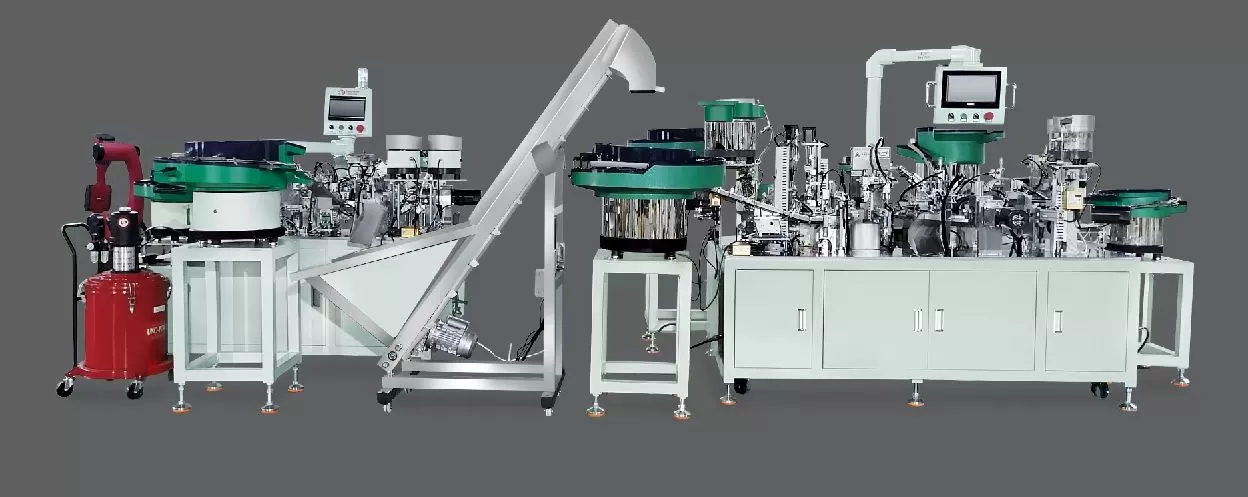
Jieyang drawer slide assembly machines play a critical role in the production of high-quality telescopic drawer slides, essential for furniture and storage systems. However, even well-engineered equipment can face assembly issues, leading to production delays or product defects. This guide explores common problems encountered with these machines, their root causes, and practical troubleshooting steps to restore optimal performance.
One common issue is misalignment of slide components. This often occurs due to improper installation or wear in guiding rails, causing slides to bind during extension. To diagnose, inspect the rails for bent sections or debris accumulation. Clean the rails thoroughly with compressed air and a soft brush, then realign the inner and outer slides by adjusting the guiding pins. Ensure the machine’s alignment fixtures are calibrated regularly to prevent recurrence.
Loose or worn fasteners represent another frequent challenge. Over time, screws, rivets, or clips securing slide components may loosen, leading to rattling or instability. Check all fasteners using a torque wrench to ensure they meet specified tightness levels. Replace worn or damaged fasteners with OEM-grade parts to maintain structural integrity. For automated machines, verify the feeding system for fastener misalignment, as this can also cause loose connections during assembly.
Jamming during operation disrupts production flow. Common culprits include foreign objects in the machine’s mechanism, such as metal shavings or debris from raw materials. Perform a visual inspection of the assembly area, focusing on the roller tracks and clamping mechanisms. Use a non-metallic tool to dislodge any trapped debris, then clean the area with a solvent to prevent future buildup. Additionally, check the machine’s sensors to ensure they’re not triggering false jams due to dirt or misalignment.
Inconsistent slide extension or retraction is often linked to insufficient lubrication or worn rollers. Dry or contaminated lubricants create friction, making slides difficult to move smoothly. Apply a high-quality, food-grade lubricant to all moving parts, following the manufacturer’s recommendations. Inspect rollers for wear or damage; replace any that show signs of pitting or deformation. For telescopic slides, ensure the tension springs or dampers are properly adjusted to maintain uniform movement.
Electrical or sensor malfunctions can also cause assembly errors. Faulty limit switches, for example, may fail to detect when slides are fully extended, leading to incomplete assembly. Check wiring connections for corrosion or loose terminals, and test sensors using a multimeter to verify functionality. If issues persist, consult the machine’s service manual for diagnostic procedures, or reach out to Sanyhore’s technical support team for assistance.
As a professional manufacturer of telescopic drawer slide assembly machines, hinge assembly machines, and roll forming machines, Sanyhore combines decades of experience with precision engineering to deliver reliable equipment. Our machines are designed to minimize downtime and ensure consistent product quality. If you encounter persistent issues with your Jieyang drawer slide assembly machine, don’t hesitate to contact our sales manager at +86 13425506550 or email info@sanyhore.com for personalized troubleshooting support and solutions.
Jieyang drawer slide assembly machines are vital for efficiently producing high-quality telescopic drawer slides, a key component in modern furniture and storage systems. Despite their reliability, these machines can encounter common assembly issues that disrupt production. This guide breaks down the most frequent problems, their root causes, and actionable solutions to help operators and maintenance teams restore optimal performance quickly.
Misalignment of slide components is a prevalent issue, often caused by improper installation or calibration errors. When inner and outer slide sections don’t align, slides may bind during extension, leading to uneven movement or damage. To diagnose, visually inspect the rails for bent or warped sections, and measure the gap between components using a caliper. Adjust the guiding pins or clamps to center the slides, ensuring they move parallel. Regular calibration of the machine’s alignment fixtures—typically every 300 production hours—prevents misalignment from recurring.
Loose or worn fasteners are another common culprit. Over time, screws, rivets, or clips securing slide parts can loosen due to vibration or fatigue, causing rattling or instability. Check all fasteners with a torque wrench to confirm they meet the specified tightness (usually 8-12 Nm for standard screws). Replace any fasteners with stripped threads or damaged heads, using OEM-grade parts to maintain compatibility. For automated feeding systems, verify the fastener feeder for jams or misplacement, as this can also lead to loose connections during assembly.
Jamming during operation halts production and may damage machine components. Foreign debris, such as metal shavings from rail cutting or leftover plastic burrs, often gets trapped in roller tracks or clamping mechanisms. Perform a daily pre-operation inspection: remove the slide assembly area cover, and use compressed air to blow out debris from the tracks, gears, and sensors. Clean the area with a lint-free cloth and solvent to prevent residue buildup. If jams persist, check the machine’s safety interlocks to ensure they’re not triggering false stops due to misalignment.
Inconsistent slide extension or retraction signals underlying mechanical or lubrication issues. Dry or contaminated lubricants create excessive friction, making slides stiff to move. Apply a high-performance, temperature-resistant lubricant (e.g., lithium-based grease) to all moving parts, following the manufacturer’s guidelines for quantity and application frequency. Inspect rollers and bushings for wear—replace any with pitting or cracks, as these reduce smooth movement. For telescopic slides, verify tension springs or dampers are adjusted to maintain uniform resistance; weak springs may cause slides to extend too quickly, while overly tight ones can lead to binding.
Electrical or sensor malfunctions often manifest as intermittent errors. Faulty limit switches, for example, may fail to detect when slides are fully extended, leading to incomplete crimping or welding. Check wiring connections for corrosion or loose terminals, and test sensors with a multimeter to confirm continuity. If issues persist, consult the machine’s service manual for diagnostic codes, or contact Sanyhore’s technical support team for remote troubleshooting. Our engineers are available to help resolve complex electrical problems, ensuring minimal downtime for your production line.
Sanyhore, a professional manufacturer of hinge assembly machines, telescopic drawer slide assembly machines, and roll forming machines, is committed to supporting your production needs. With years of experience in designing and building reliable assembly equipment, we understand the challenges operators face. If you need help troubleshooting your Jieyang drawer slide assembly machine or are looking to upgrade your production line, contact our sales manager at +86 13425506550 or email info@sanyhore.com today. We’re here to provide expert guidance and solutions tailored to your requirements.


