
Jieyang, a hub for precision metal forming machinery, has emerged as a key region for producing high-quality drawer slide roll forming machines. These machines are critical in the manufacturing of telescopic drawer slides, essential components in furniture, automotive, and storage systems. For businesses aiming to optimize production, understanding the diverse models and core features of these machines is vital. This guide delves into the key aspects of Jieyang’s drawer slide roll forming machines, helping buyers make informed decisions.
Understanding Roll Forming: The Foundation of Drawer Slide Production
Roll forming is a continuous process where flat metal strips are progressively shaped into complex cross-sections using a series of rotating dies. For drawer slides, this method ensures consistent precision, high material utilization, and scalability—key advantages over traditional stamping or bending. Jieyang’s roll forming machines leverage this technology, with designs tailored to handle various slide types, from light-duty to heavy-duty telescopic slides. The core of their functionality lies in the synchronization of roll tooling, material feeding, and cutting systems, which directly impacts the final product’s strength, smooth operation, and cost-effectiveness.
Key Models of Jieyang Drawer Slide Roll Forming Machines
Manufacturers in Jieyang offer several standard models of drawer slide roll forming machines, each engineered to meet specific production demands. The most common categories include:
1. Standard Model (Model JS-1200)
Designed for small to medium-scale production, the JS-1200 handles material thicknesses from 0.5mm to 2.0mm, with a maximum forming speed of 15 meters per minute. It features a modular roll tooling system, allowing quick adjustment for different slide profiles. Ideal for furniture manufacturers producing low to mid-volume drawer slides, this model balances affordability and reliability.
2. High-Speed Model (Model JS-2000)
Targeting high-volume production lines, the JS-2000 boosts speed to 30 meters per minute, using advanced servo-driven systems for precise material control. It accommodates thicker materials (up to 3.0mm) and includes integrated quality inspection systems to detect defects in real time. This model is favored by automotive part suppliers needing consistent output for heavy-duty telescopic slides.
3. Customizable Model (Model JS-3000)
For businesses with unique slide specifications, the JS-3000 offers full customization. It supports variable material widths (300mm–800mm) and can be integrated with automation systems like robotic loading/unloading. With a modular design, it adapts to complex slide geometries, making it suitable for specialized industries such as aerospace or medical equipment.
Critical Features to Evaluate in Roll Forming Machines
When selecting a Jieyang drawer slide roll forming machine, several features determine performance and ROI:
Material Compatibility
The machine’s ability to handle specific materials (steel, aluminum, stainless steel) is critical. Models like the JS-2000 excel with high-strength alloys, while the JS-1200 is optimized for mild steel. Ensure the machine’s roll tooling and material handling system (e.g., decoilers, straighteners) match your raw material’s properties.
Forming Precision
Telescopic slides rely on tight dimensional tolerances to ensure smooth movement and durability. Look for machines with CNC-controlled roll positioning, which minimizes deviations. Advanced models may include laser measurement systems to monitor wall thickness and profile accuracy in real time.
Production Speed and Throughput
Speed directly impacts output. High-speed models (e.g., JS-2000) reduce cycle times, but they require robust infrastructure (power, cooling) and may increase maintenance costs. Balance speed with your production volume—over-investing in speed for low demand can lead to inefficiencies.
Energy Efficiency
Modern roll forming machines integrate energy-saving technologies, such as frequency converters and variable speed drives, to lower operational costs over time. Models with servo motors, for instance, use 30–40% less energy than traditional hydraulic systems.
Ease of Maintenance and Changeover
Minimizing downtime is key to profitability. Machines with quick-change roll tooling, accessible maintenance panels, and predictive maintenance alerts (via IoT sensors) reduce setup and repair times, making them ideal for high-mix production environments.
Why Sanyhore Stands Out as Your Reliable Partner
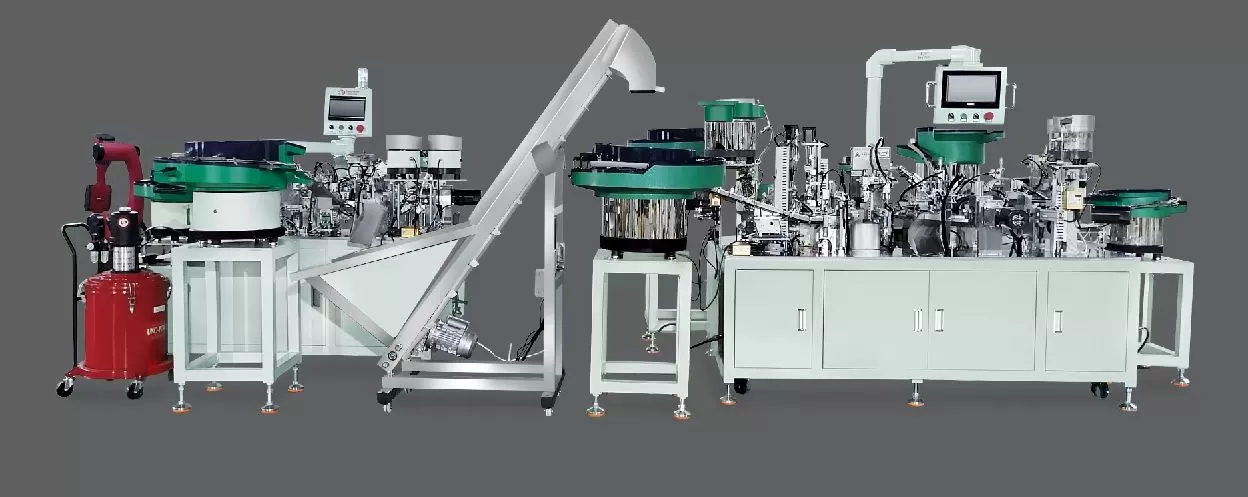
Beyond Jieyang’s machines, Sanyhore has established itself as a trusted manufacturer of drawer slide roll forming machines and related equipment. As a specialized producer of hinge assembly machines, telescopic drawer slide assembly machines, and roll forming systems, we combine technical expertise with a focus on customer needs. Our machines are engineered to deliver consistent quality, adaptability, and long-term reliability, supported by on-site installation, training, and after-sales support.
Whether you need a standard model for small-scale production or a custom solution for unique slide designs, Sanyhore’s team of engineers can tailor a roll forming machine to your specifications. Contact us today at +86 13425506550 or via info@sanyhore.com to discuss your project and discover how our equipment can elevate your drawer slide manufacturing process.
For businesses prioritizing efficiency, precision, and scalability, a well-selected Jieyang drawer slide roll forming machine is an investment that pays dividends. By aligning with a reliable partner like Sanyhore, you ensure access to cutting-edge technology and expert support, making the path to optimized production smoother and more successful.


