

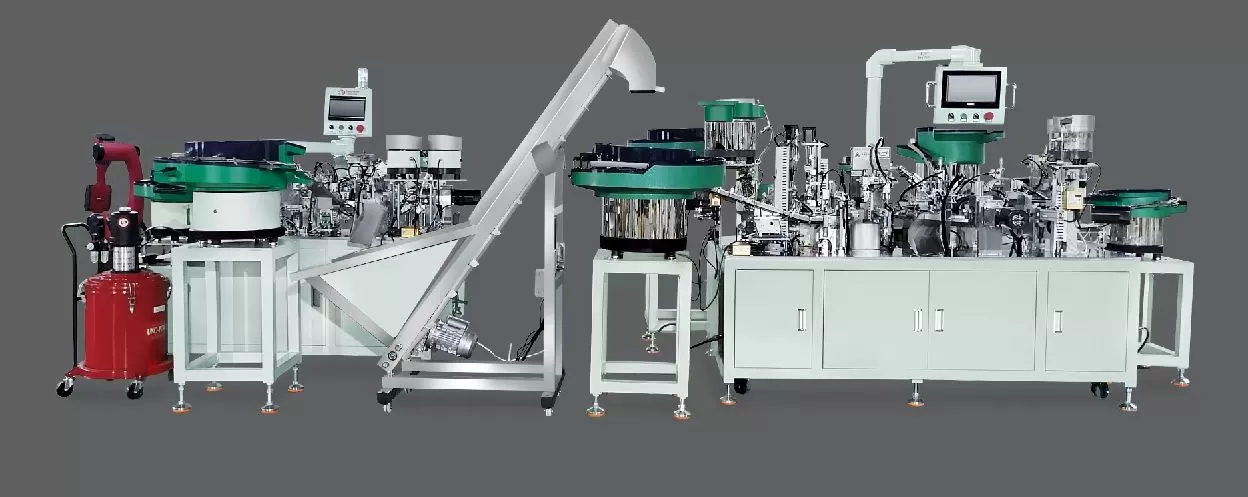
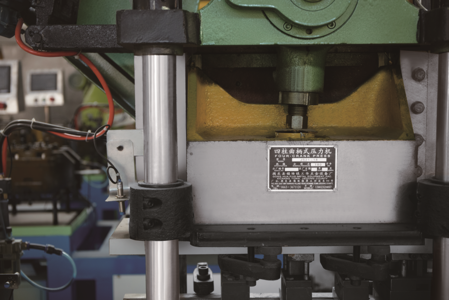
In the global furniture and storage industry, drawer slides stand as critical components, balancing smooth operation, load capacity, and durability. Behind their production lies a sophisticated manufacturing process, with roll forming technology emerging as the backbone for consistent, high-performance slide rails. In Jieyang, a leading hub for metal component fabrication, modern roll forming machines have transformed how drawer slides are made, driven by continuous innovation in design, control systems, and material handling. This article delves into these advancements, exploring how they elevate drawer slide production to new heights.
Technological Foundations: The Evolution of Roll Forming for Drawer Slides
Roll forming, a continuous shaping process, involves passing metal strips through a series of die tools to form complex cross-sections. For drawer slides, which require precise bends, seamless joints, and uniform thickness, traditional roll forming faced challenges with material thickness variations and tooling flexibility. Modern machines address this by integrating numerical control systems and adaptive tooling. For instance, servo-electric drive systems replace hydraulic setups, offering 0.01mm precision in roll adjustments, ensuring each slide rail meets tight dimensional tolerances. Additionally, computer-aided design (CAD) software now enables seamless integration with roll forming lines, allowing engineers to simulate material flow and optimize die configurations before production, reducing trial-and-error time by up to 40%.
Precision Engineering: Core Innovations Driving Performance
A key innovation in modern drawer slide roll forming machines is the adoption of multi-stage roll forming, where each die station targets a specific part of the slide rail. This not only ensures structural integrity but also allows for the creation of intricate features, such as ball bearing tracks or reinforced side walls, critical for slide durability. Furthermore, advanced monitoring systems—including laser sensors and load cells—constantly analyze material stress during forming, adjusting roll pressure in real time to prevent defects like cracking or warping. For example, when forming stainless steel, which is prone to springback, these systems reduce tooling wear by 25% and enhance final product consistency, making the process more reliable for high-volume production.
Efficiency and Scalability: Adapting to Mass Production Needs
In response to the demand for faster turnaround and lower costs, roll forming machines for drawer slides now prioritize automation and quick changeover. Modular tooling systems, which allow operators to swap die sets in under 30 minutes, reduce downtime between product runs, a critical advantage for manufacturers producing diverse slide sizes. Integrated robotic loading and unloading systems further boost throughput, enabling 24/7 operation with minimal human intervention. Sanyhore, a trusted manufacturer in this space, has taken this a step further by incorporating AI-driven predictive maintenance—sensors detect potential machine issues before they cause breakdowns, cutting unplanned downtime by over 35%. This efficiency directly translates to lower per-unit production costs, making it feasible for even mid-sized manufacturers to scale up.
Material Versatility: Beyond Traditional Metals
Modern roll forming machines are no longer limited to a single material, with the ability to process aluminum, steel alloys, and even lightweight metals like titanium. This versatility is a game-changer for drawer slide design, as it allows engineers to optimize material choice based on application needs—aluminum for lightweight, corrosion-resistant slides and high-strength steel for heavy-duty industrial use. Additionally, eco-conscious manufacturers benefit from reduced material waste: advanced roll forming machines minimize scrap rates to under 5% by precisely controlling material flow, aligning with global sustainability goals.
The Future of Roll Forming: Shaping Next-Gen Drawer Slides
As the furniture and automotive industries push for more compact, eco-friendly designs, roll forming technology continues to evolve. Innovations like 3D-printed tooling, which allows for rapid prototype testing of new die configurations, and energy-efficient drives are set to further reduce production times and costs. For manufacturers aiming to stay ahead, investing in a cutting-edge roll forming machine isn’t just about current efficiency—it’s about future-proofing production lines to adapt to evolving market demands.
At Sanyhore, we specialize in engineering drawer slide roll forming machines that combine these innovations with reliability. As a dedicated manufacturer of hinge assembly machines, telescopic drawer slide assembly machines, and roll forming equipment, we understand the unique needs of modern production. Our machines are built to deliver consistent quality, scalability, and long-term performance, supporting businesses in Jieyang and beyond to meet global standards.
Ready to elevate your drawer slide production? Contact our sales team today at +86 13425506550 or send an email to info@sanyhore.com for a tailored consultation.
Common SEO Questions & Answers for Drawer Slide Roll Forming Machines
1. What makes Jieyang a top location for drawer slide roll forming?
- Jieyang’s manufacturing ecosystem, skilled labor, and focus on metal fabrication offer ideal conditions for high-precision roll forming, reducing logistic costs and enabling quick production cycles.
2. How do advanced roll forming machines improve slide durability?
- By integrating servo control systems and optimized tooling, modern machines ensure uniform material stress, minimizing deformation and enhancing the slide’s load-bearing capacity and lifespan.
3. Can a roll forming machine adapt to custom drawer slide designs?
- Yes, with modular tooling and CNC programming, machines can accommodate diverse slide dimensions and configurations, from simple to complex telescopic designs.
4. What role does automation play in reducing production costs?
- Automated systems cut labor costs by 40%+, reduce material waste through precise cutting, and enable 24/7 operation, increasing monthly output by 50% or more.
5. Why choose Sanyhore’s roll forming machines?
- We blend cutting-edge technology with practical design, ensuring machines that balance performance, affordability, and after-sales support for long-term productivity.


