

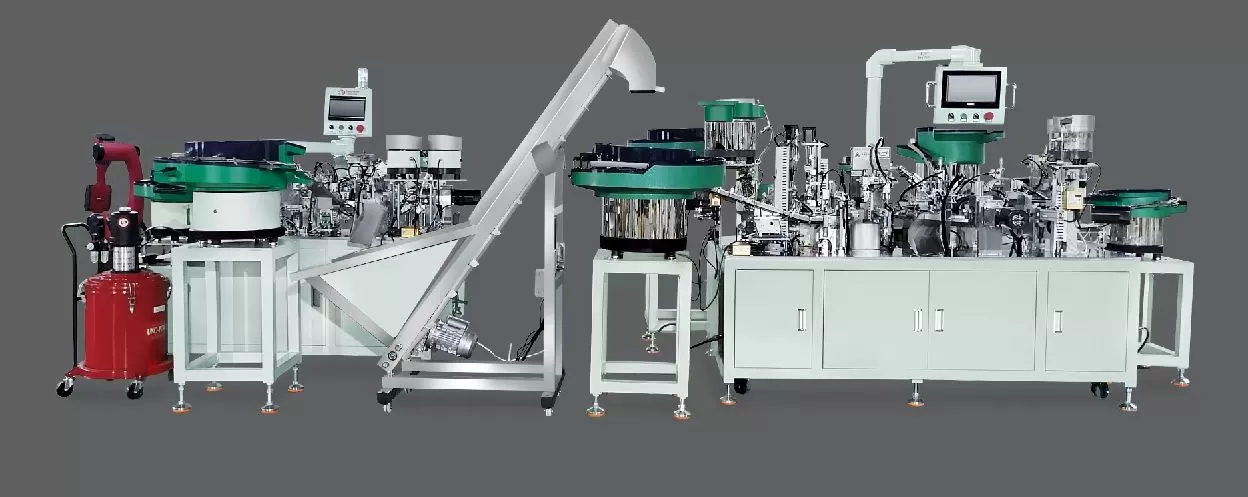
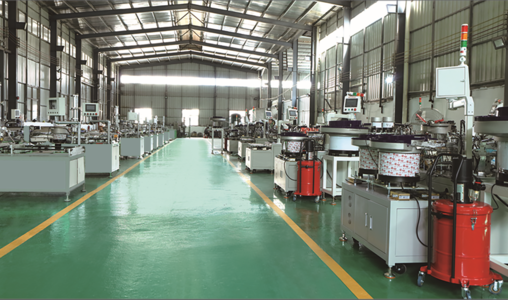
When it comes to manufacturing high-quality drawer slides, the compatibility between the material and the roll forming machine is a critical factor that directly impacts product performance, production efficiency, and overall cost-effectiveness. For manufacturers in Jieyang specializing in drawer slide production, understanding which materials work seamlessly with a drawer slide roll forming machine is essential to ensure consistent results and meet industry standards. This guide explores the key materials compatible with Jieyang drawer slide roll forming machines, their characteristics, and how to optimize their use in the production process.
Understanding Material Compatibility in Roll Forming
Roll forming machines rely on precise material handling to shape metal strips into the intricate profiles of drawer slides. Material compatibility here refers to the machine’s ability to process specific materials without causing damage, such as cracking, bending issues, or tool wear, while maintaining the required dimensional accuracy and surface finish. For a Jieyang drawer slide roll forming machine, compatibility depends on factors like material hardness, thickness, ductility, and surface conditions. By aligning material properties with the machine’s capabilities, manufacturers can avoid production disruptions and ensure the final slides meet durability and functionality requirements.
Common Materials for Drawer Slide Production
Drawer slides are typically made from a range of metals, each offering unique properties suited to different applications. The most widely used materials include steel, aluminum, stainless steel, and specialized alloys. Each material has distinct characteristics that influence both the roll forming process and the end product’s performance. For example, steel provides excellent strength and rigidity, making it ideal for heavy-duty slides, while aluminum is valued for its lightweight nature, reducing the overall weight of furniture or appliances.
Steel: The Backbone of Durable Drawer Slides
Steel is the cornerstone material for drawer slide production, particularly cold-rolled steel (CRS) and hot-rolled steel (HRS). CRS, with its smooth surface and high strength, is commonly used for standard drawer slides, as it can be easily formed into precise profiles. HRS, though slightly less refined, offers higher tensile strength, making it suitable for heavy-duty applications where load capacity is critical. Jieyang drawer slide roll forming machines are well-equipped to handle steel, but operators must adjust roll tooling to account for its higher hardness, ensuring the machine’s rollers don’t wear prematurely. Proper lubrication is also essential to prevent friction-related issues during the forming process.
Aluminum: Lightweight and Corrosion-Resistant Options
Aluminum, especially 6061 and 5052 alloys, is increasingly popular for drawer slides due to its lightweight properties and resistance to corrosion. These qualities make aluminum slides ideal for applications in furniture, automotive, and marine environments where weight reduction and durability are priorities. When processing aluminum with a Jieyang roll forming machine, operators should use specialized tooling with rounded edges to avoid marring the material, as aluminum is more prone to surface damage than steel. Additionally, the machine’s forming parameters, such as roll pressure and speed, must be optimized to prevent springback—a common issue with aluminum’s lower modulus of elasticity.
Stainless Steel: Ideal for Harsh Environments
Stainless steel, particularly 304 and 316 grades, is chosen for drawer slides requiring exceptional corrosion resistance, such as in kitchen cabinets, medical equipment, or outdoor furniture. The high chromium content in stainless steel makes it highly durable, but its hardness and work hardening tendencies present unique challenges for roll forming. Jieyang drawer slide roll forming machines must be adjusted to handle the increased friction and heat generated during forming, often requiring high-quality tool steel rollers and advanced cooling systems. While stainless steel may increase initial production costs, its long-term performance and low maintenance needs make it a cost-effective choice for demanding applications.
Specialized Alloys: For High-Performance Applications
Beyond standard materials, specialized alloys like brass, copper alloys, and titanium are used for premium drawer slides, where conductivity, high-temperature resistance, or unique aesthetics are required. Brass, for instance, offers excellent machinability and a decorative finish, making it popular in high-end furniture. Copper alloys, such as beryllium copper, provide superior elasticity, ideal for slides needing precise return mechanisms. When processing these alloys, a Jieyang drawer slide roll forming machine must be paired with ultra-precise tooling and controlled forming speeds to avoid material tearing, as these alloys often have lower ductility than steel or aluminum.
Key Considerations When Selecting Materials
When choosing materials for use with a Jieyang drawer slide roll forming machine, several factors must be considered beyond the material itself. First, assess the end product’s requirements: load capacity, lifespan, weight, and environment (indoor vs. outdoor). Next, evaluate the machine’s capabilities, including its roll forming force, adjustment range, and tooling flexibility. Collaborating with the machine manufacturer to test material samples before full-scale production can help identify potential issues early, such as tool wear or material defects. Additionally, consider production volume and cost—while some materials may have higher upfront costs, they might reduce long-term expenses through lower maintenance or longer product lifespans.
Benefits of Proper Material Compatibility
Optimizing material compatibility with a Jieyang drawer slide roll forming machine yields multiple benefits. It reduces machine downtime caused by tool damage or material jams, increasing overall production efficiency. Proper compatibility also ensures consistent slide dimensions and surface quality, enhancing product reliability and reducing customer complaints. For manufacturers, this translates to lower material waste, fewer rework cycles, and the ability to meet tight production deadlines. By aligning material selection with the machine’s capabilities, businesses can maintain a competitive edge in the market, offering high-quality drawer slides that meet industry standards.
Partner with Sanyhore for Reliable Roll Forming Solutions
At Sanyhore, we specialize in designing and manufacturing high-performance drawer slide roll forming machines, hinge assembly machines, and telescopic drawer slide assembly machines tailored to meet the unique needs of material processing. Our machines are engineered with precision tooling and advanced control systems, ensuring seamless compatibility with a wide range of materials, from steel and aluminum to stainless steel and specialized alloys. Whether you’re producing standard drawer slides or high-performance telescopic slides, our machines are built to deliver consistent results and long-term reliability.
Ready to enhance your drawer slide production with a reliable roll forming machine? Contact our sales manager today at +86 13425506550 or send an inquiry to info@sanyhore.com for a customized solution that aligns with your material processing requirements. Let us help you achieve superior quality and efficiency in drawer slide manufacturing.


