
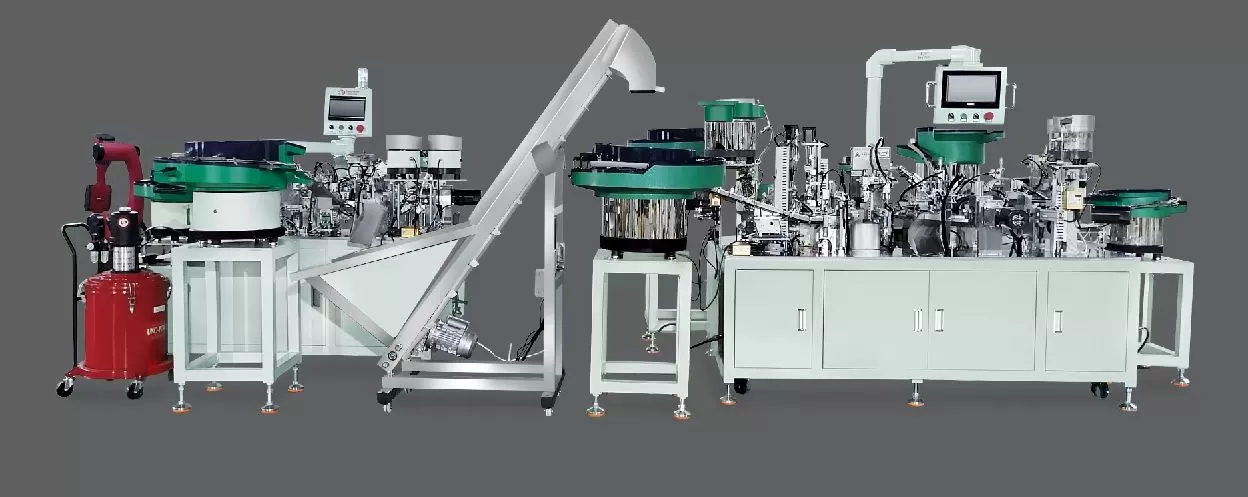
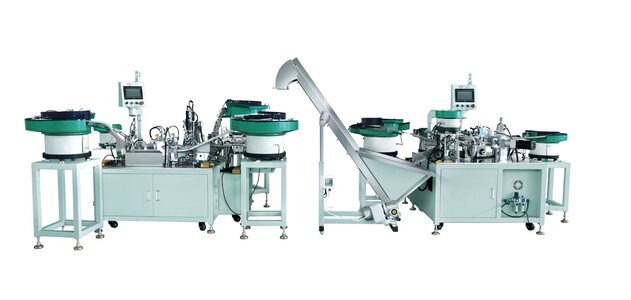
Jieyang, a renowned manufacturing hub in China, has emerged as a leader in 3D hinge assembly machine production by prioritizing sustainable practices. As global demand for eco-friendly manufacturing rises, local producers in Jieyang are reimagining traditional production processes, integrating green technologies and resource-efficient strategies to minimize environmental footprints without compromising product quality. This shift not only aligns with global sustainability goals but also positions Jieyang as a model for the industry, particularly in the realm of 3D hinge assembly machines, which are critical components in furniture, automotive, and consumer electronics.
1. Sustainable Material Sourcing: Redefining Raw Material Choices
At the core of Jieyang's sustainable practices lies a focus on eco-friendly material sourcing. Producers are increasingly replacing virgin materials with recycled or biodegradable alternatives, such as post-consumer plastic resins and recycled metals, for hinge components. For 3D hinge assembly machines, this means using lightweight, durable recycled alloys for structural parts, reducing reliance on raw material extraction and lowering carbon emissions associated with material transportation and processing. Additionally, many manufacturers are partnering with local suppliers committed to sustainable forestry or ethical mining, ensuring that every material used meets strict environmental and social standards.
2. Energy Efficiency: Cutting Carbon Footprints with Smart Systems
Energy consumption is a key area of focus in Jieyang's 3D hinge assembly machine production. Modern factories are equipping their facilities with energy-efficient machinery, such as variable frequency drives (VFDs) and high-efficiency electric motors, which reduce power usage by 20-30% compared to traditional setups. Solar panels are also being integrated into factory rooftops, providing clean energy to power assembly lines during peak daylight hours. Furthermore, smart energy management systems monitor and optimize energy distribution in real time, identifying and mitigating wasteful consumption patterns—turning energy efficiency from a goal into a tangible operational advantage.
3. Lean Manufacturing: Minimizing Waste Through Process Refinement
Lean manufacturing principles are transforming 3D hinge assembly machine production in Jieyang. Producers are streamlining workflows to eliminate overproduction, unnecessary motion, and idle time, reducing scrap rates and material waste. For instance, precision 3D printing is now used to create custom jigs and fixtures, minimizing the need for mass-produced tools and reducing material discard. Additionally, advanced inspection technologies, such as automated optical inspection (AOI) systems, ensure parts meet quality standards on the first pass, cutting down on rework and the use of additional resources. This lean approach not only lowers costs but also aligns with the "zero-waste" philosophy, making Jieyang's production lines more sustainable and competitive.
4. Circular Economy Integration: Closing the Loop on Resources
To further reduce environmental impact, many 3D hinge assembly machine producers in Jieyang are embracing the circular economy. This involves designing machines with modular components, allowing for easy disassembly and repair, which extends their lifespan and reduces the need for new production. At the end of a machine's lifecycle, materials are recycled or upcycled—for example, old metal parts are melted down and reused in new assemblies, and plastic components are converted into raw materials for other products. By closing the resource loop, these practices not only reduce waste but also create a sustainable supply chain that benefits both producers and end-users.
5. Eco-Certified Production: Aligning with Global Sustainability Standards
Jieyang's commitment to sustainability is validated by adherence to international standards, such as ISO 14001 for environmental management systems. Producers are investing in certifications that verify their sustainable practices, from material sourcing to end-of-life disposal, making their 3D hinge assembly machines attractive to global buyers prioritizing eco-friendly supply chains. This certification also drives continuous improvement—factories regularly audit their processes to identify new ways to reduce energy use, water consumption, and carbon emissions, ensuring they stay ahead of evolving sustainability expectations.
6. Sanyhore: Driving Innovation in Eco-Friendly Hinge Assembly
At the forefront of this sustainable transformation is Sanyhore, a trusted manufacturer based in Jieyang with over a decade of experience in 3D hinge assembly machine production. Sanyhore combines cutting-edge technology with sustainable design, offering 3D hinge assembly machines that are energy-efficient, modular, and built to last. Beyond machines, the company provides end-to-end solutions, including roll forming machines for滑轨 (telescopic drawer slides) and telescopic drawer slide assembly machines, all crafted with recycled and recyclable materials. By integrating circular economy principles into every production step, Sanyhore ensures its clients receive not just high-quality equipment but also a partner dedicated to reducing environmental impact.
For manufacturers seeking reliable, eco-friendly hinge assembly solutions, Sanyhore stands out as a leader in sustainable innovation. With a focus on long-term partnerships, transparent practices, and a commitment to reducing the carbon footprint of production, Sanyhore is redefining what it means to be a responsible 3D hinge assembly machine producer. To learn more about how we can support your manufacturing needs, contact our sales manager at +86 13425506550 or email info@sanyhore.com today.


