
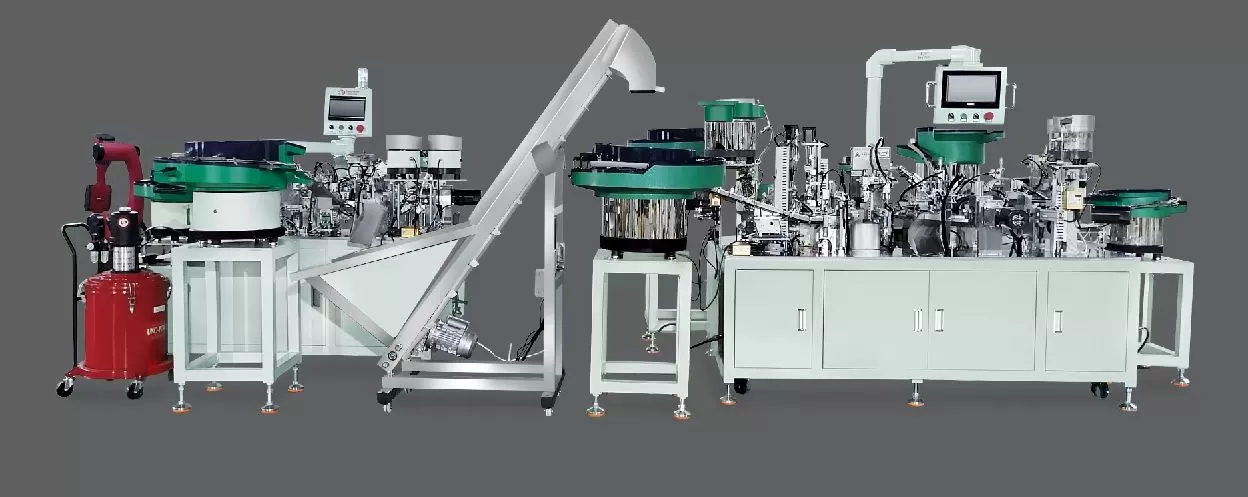
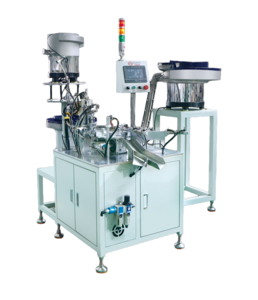
The localization replacement process for the Jieyang Hinge Automatic Assembly Machine is a critical procedure that ensures the equipment aligns with local production environments, optimizes operational efficiency, and extends service life. As a professional manufacturer of hinge assembly machines, telescopic drawer slide assembly machines, and roll forming machines, Sanyhore understands the unique challenges of adapting imported or standard equipment to local industrial needs. This guide breaks down the key steps, technical considerations, and benefits of a well-executed localization replacement, helping you maximize the performance of your assembly system.
Understanding the Localization Replacement Needs
Before initiating the replacement process, a clear assessment of the machine’s current state and local requirements is essential. Localization here refers to modifying or replacing components, software, or configurations to suit local power supplies, material specifications, production volume, and operational standards. For example, in regions with specific voltage regulations, adjusting the machine’s power management system may be necessary. Similarly, if local hinge materials have different hardness or dimensions, modifying tooling or gripper systems could ensure precise component handling. Without this step, the machine might underperform, leading to frequent breakdowns, increased downtime, or substandard product quality.
Key Steps in the Localization Replacement Process
#1.需求评估与规划 (Demand Assessment and Planning)
The first phase involves a thorough evaluation of the machine’s current setup and local production demands. This includes analyzing the machine’s original design, identifying gaps between its capabilities and local needs, and defining clear replacement goals. For instance, if the original machine uses imported precision parts that are costly and time-consuming to replace locally, sourcing compatible, locally available alternatives becomes a priority. A detailed plan should outline which components (e.g., sensors, drive systems, or control panels) need replacement, along with timelines and resource allocation.
#2. Component Selection and Compatibility Verification
Once requirements are defined, selecting the right replacement components is critical. This step demands expertise in ensuring compatibility with the machine’s existing system. Sanyhore’s engineers, for example, focus on matching new parts with the original machine’s technical parameters—such as load capacity, precision tolerance, and communication protocols. For hinge assembly machines, this might involve testing locally manufactured hinges to ensure the machine’s grippers and forming dies can handle their unique geometry. Rigorous compatibility checks prevent post-installation issues like misalignment, reduced speed, or data incompatibility.
#3. Installation and调试 (Installation and Commissioning)
Professional installation and调试 are the next steps. Skilled technicians must carefully replace the selected components, following the manufacturer’s guidelines while accounting for local adjustments. For instance, modifying the machine’s frame to fit local floor space constraints or recalibrating the control system to align with local production schedules. During调试, teams test the machine under various conditions—simulating different production volumes, material types, and operational durations—to ensure stability and accuracy. This phase often includes on-site training for your team to operate and maintain the localized machine effectively.
#4. Performance Testing and Optimization
After installation, comprehensive performance testing is conducted to validate the localization results. Metrics such as production speed, product合格率, and machine uptime are measured against pre-replacement benchmarks. If discrepancies arise—for example, if the new setup reduces speed by 10%—engineers will fine-tune the system, adjusting parameters like motor speed, tooling pressure, or software algorithms. Continuous optimization ensures the machine operates at peak efficiency, balancing local production demands with the manufacturer’s design integrity.
Technical Considerations for Seamless Integration
Several technical factors influence the success of localization replacement. First, maintainability is crucial. The new components should be easy to access and replace, reducing future maintenance downtime. For example, using modular design for key parts allows technicians to swap components quickly without disrupting the entire machine. Second, energy efficiency is increasingly important for local production facilities. Upgrading to energy-saving motors or optimizing the machine’s power consumption can lower operational costs, aligning with sustainability trends in many regions. Finally, data connectivity must be verified. Local factories often rely on specific data management systems; ensuring the machine integrates with these tools allows for real-time monitoring and data analysis, which is vital for informed production decisions.
Benefits of Professional Localization Replacement
Investing in a professional localization replacement process yields multiple benefits. It reduces dependency on imported parts, lowering procurement lead times and costs. By adapting the machine to local conditions, production efficiency typically improves, with faster cycle times and fewer breakdowns. Additionally, a well-localized machine is more reliable, minimizing unplanned downtime and supporting consistent product quality. For businesses in manufacturing, this translates to higher productivity, lower operational risks, and a competitive edge in the market.
Choosing Sanyhore for Your Hinge Assembly Machine Needs
As a trusted manufacturer of hinge assembly machines, telescopic drawer slide assembly machines, and roll forming machines, Sanyhore offers end-to-end localization replacement services tailored to your specific equipment. Our team combines technical expertise with on-the-ground experience to ensure each replacement process is efficient, precise, and aligned with your local production goals. We prioritize compatibility, quality, and customer support, making us your reliable partner for long-term machine performance.
Ready to enhance your hinge automatic assembly machine? Contact our team today for a personalized localization replacement solution. Reach out via phone at +86 13425506550 or email at info@sanyhore.com to discuss your requirements and take the first step toward optimized production.


