

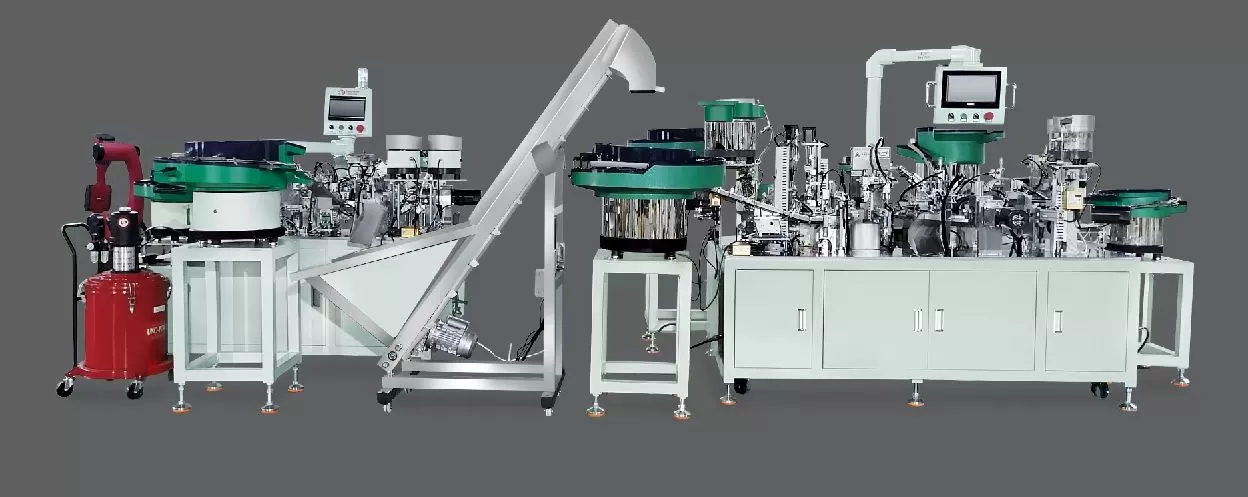
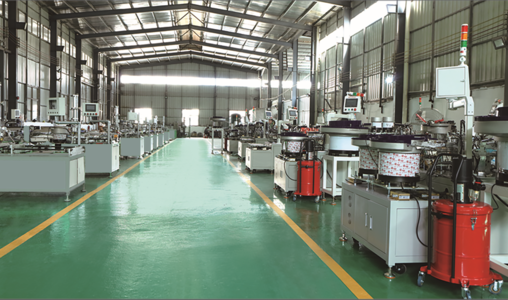
The on-site management process for a Jieyang Hinge Automatic Assembly Machine is a critical component in ensuring the seamless integration, efficient operation, and long-term reliability of the equipment within a manufacturing environment. For businesses in the hinge production sector, especially those in Jieyang—a hub for hardware manufacturing—adopting a structured approach to managing the assembly machine on-site can significantly enhance productivity, reduce downtime, and maintain consistent product quality. This process involves careful planning, precise execution, and ongoing support, all tailored to the unique requirements of automatic hinge assembly systems. Sanyhore, a professional manufacturer specializing in hinge assembly machines, telescopic drawer slide assembly machines, and roll forming machines, emphasizes the importance of this on-site management to help clients maximize the value of their investment.
Key Stages of On-Site Management for Hinge Automatic Assembly Machines
Effective on-site management for a hinge automatic assembly machine can be broken down into four core stages: pre-installation preparation, installation and commissioning, post-installation operation, and long-term optimization. Each stage requires dedicated attention to detail, collaboration between technical teams and end-users, and adherence to industry best practices to avoid operational hiccups.
1. Pre-Installation Preparation: Laying the Groundwork for Smooth Setup
Before the machine arrives on-site, thorough preparation is essential to ensure the assembly process begins without delays. This phase starts with site assessment, where engineers from Sanyhore and the client’s team evaluate the production space to determine optimal machine placement. Factors like power supply capacity, ventilation, and available floor space are critical here, as they directly impact the machine’s functionality and safety. For example, the automatic hinge assembly machine requires a stable power source with minimal voltage fluctuations to prevent equipment damage or production interruptions.
Next, equipment inspection and documentation review. Upon receiving the machine, Sanyhore’s technical team conducts a detailed inspection to confirm all components—including mechanical parts, control systems, and tools—are intact and meet quality standards. This step also involves verifying that the machine’s specifications align with the client’s production needs, such as hinge size, material thickness, and output capacity. Documentation, including operation manuals and maintenance guidelines, is shared with the client to ensure both teams are aligned on equipment capabilities and limitations.
Finally, personnel training preparation. The client’s operators and maintenance staff receive preliminary training on basic machine functions, safety protocols, and troubleshooting basics. This pre-installation training ensures the team is familiar with key terminology and can actively participate in the upcoming installation and commissioning phases, reducing the learning curve post-deployment.
2. Installation and Commissioning: Precision in Setting Up the Machine
Once the site is ready, the focus shifts to installing the Jieyang hinge automatic assembly machine and ensuring it functions as intended. Safety is the top priority here, so the installation team follows strict safety protocols, including locking out energy sources during setup and using personal protective equipment (PPE) like gloves and goggles.
Machine placement is the next critical step. Using precision tools, the assembly machine is positioned to optimize workflow, with clear access to loading/unloading areas and maintenance points. For instance, the machine’s conveyor system should align with the client’s existing production line to minimize material handling time. Once in place, the team secures the machine to the floor to prevent vibrations during operation, which could affect assembly accuracy.
Commissioning—calibrating the machine to meet production requirements—follows installation. This involves adjusting parameters such as speed, pressure, and tool positioning to match the specific hinge design. The technical team runs test assemblies, monitoring each cycle to ensure parts are correctly aligned, inserted, and secured. If any discrepancies arise, adjustments are made immediately, with the team documenting every change to maintain traceability. Once test runs are successful and the machine meets the client’s quality standards, the commissioning phase is completed, and the machine is ready for full production.
3. Post-Installation Management: Sustaining Performance and Minimizing Downtime
After installation, ongoing management is key to sustaining the hinge automatic assembly machine’s performance. Sanyhore recommends implementing a structured preventive maintenance schedule tailored to the machine’s usage and environment. This schedule includes daily checks (e.g., lubrication levels, tool wear), weekly inspections (e.g., conveyor belt tension, sensor functionality), and monthly deep cleans to prevent dust or debris buildup.
Quick response to operational issues is another critical aspect of post-installation management. The client’s team, supported by Sanyhore’s technical hotline, is trained to identify common problems like misaligned parts or sensor malfunctions. For more complex issues, Sanyhore offers remote troubleshooting via video calls or shared diagnostics tools, reducing the need for on-site visits and minimizing production downtime. If on-site support is required, Sanyhore’s regional service team can reach the client within 24–48 hours, ensuring timely resolution.
Performance monitoring is also part of long-term management. The machine’s control system logs production data, such as cycle time, defect rate, and energy consumption, which the technical team analyzes to identify inefficiencies. For example, if cycle time increases over time, the team may adjust tool settings or upgrade components to restore optimal speed without compromising quality.
4. Long-Term Optimization: Adapting to Evolving Production Needs
As production demands evolve—such as new hinge designs or increased output—so too must the on-site management process. Sanyhore works closely with clients to update the machine’s configuration, including software upgrades, tooling changes, or additional features, to align with changing requirements. This adaptability ensures the hinge automatic assembly machine remains a valuable asset throughout its lifecycle.
Additionally, regular operator training updates keep the team proficient with new machine capabilities. Sanyhore offers advanced training sessions to teach employees about the latest features, improving operational efficiency and reducing errors. By fostering this partnership, the client gains a long-term advantage, with the machine evolving alongside their business growth.
Conclusion
The on-site management process for a Jieyang Hinge Automatic Assembly Machine is a dynamic, multi-stage approach that combines preparation, precision, and support to drive operational success. By following these structured steps—from pre-installation planning to long-term optimization—businesses can ensure the machine operates at peak efficiency, delivering consistent quality and reliable performance. As a trusted manufacturer of hinge assembly machines, telescopic drawer slide assembly machines, and roll forming machines, Sanyhore is committed to guiding clients through every phase of this process, offering expertise and support to maximize their investment. For inquiries about hinge automatic assembly machines or to discuss your specific production needs, contact Sanyhore at +86 13425506550 or info@sanyhore.com.


