

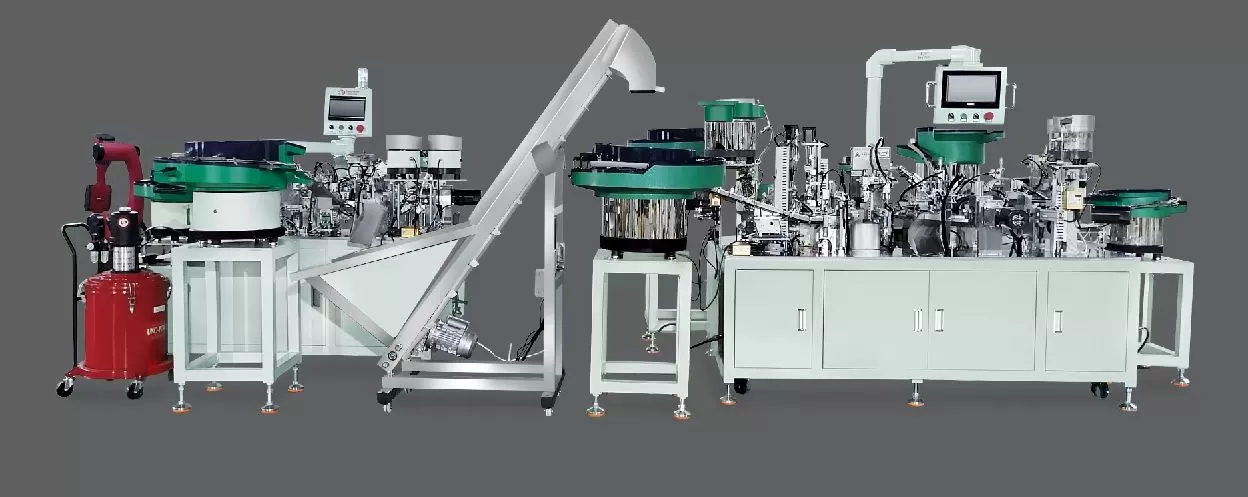
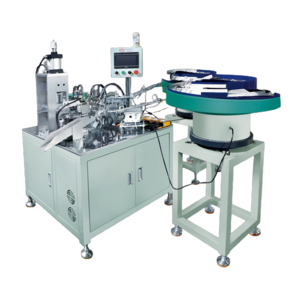
Ensure workplace safety with our detailed operational safety process for Jieyang hinge automatic assembly machines. Trust Sanyhore, a professional manufacturer specializing in hinge assembly machines, telescopic drawer slide assembly machines, and roll forming machines, to enhance your production efficiency while prioritizing safety. This comprehensive guide outlines critical steps to prevent accidents and maintain optimal machine performance.
1. Understanding the Machine’s Safety Architecture
A solid safety process begins with a clear understanding of the machine’s inherent safety design. Jieyang hinge automatic assembly machines are engineered with multiple layers of protection, including emergency stop (E-stop) buttons, safety light curtains, and reinforced guardrails. These components work together to create a barrier between operators and moving parts. Before initiating any operations, ensure all staff are familiar with the location and function of each safety feature. E-stop buttons, for instance, should be within immediate reach, clearly labeled in high-visibility colors, and tested daily to confirm responsiveness.
2. Pre-Operation Safety Checks
Routine pre-operation checks form the foundation of a safe assembly process. Start by verifying the power supply: confirm voltage levels match machine specifications and that all cables are securely connected without fraying. Next, inspect moving components such as gears, belts, and grippers for wear or misalignment—loose parts can cause sudden jolts or jams, leading to injury. Additionally, check lubrication levels for all mechanical parts to prevent overheating and ensure smooth motion. Finally, test all safety devices: activate light curtains to confirm they halt the machine immediately when an obstruction is detected, and verify that guard doors lock automatically to prevent access during operation.
3. During Operation: Adherence to Safety Protocols
Maintaining strict protocols during operation is vital to preventing accidents. Operators must wear appropriate personal protective equipment (PPE), including safety glasses, earplugs, and non-slip footwear, to shield against debris and noise. Avoid reaching into guarded areas while the machine is running; instead, use tools or extensions to handle materials. If an异常 (abnormality) occurs—such as unusual noise, smoke, or vibration—immediately press the E-stop button and report the issue to a supervisor before attempting repairs. Regularly monitor the machine’s performance metrics, such as assembly speed and component alignment, to catch potential problems early and prevent escalation.
4. Post-Operation Safety Procedures
Proper post-operation steps ensure the machine remains safe for subsequent use and reduces the risk of accidental activation. After completing production runs, always power down the machine by following the shutdown sequence in the user manual—never disconnect power abruptly, as this can cause damage to internal components. Once powered off, allow all moving parts to come to a complete stop before cleaning or performing maintenance. Clean the machine thoroughly, removing dust, oil residue, or debris that could interfere with operation, and secure tools and spare parts in designated storage areas. Finally, log all post-operation checks in a maintenance logbook to track machine status and identify recurring issues.
5. Emergency Response and Incident Handling
Even with thorough precautions, emergencies can arise. Every facility using Jieyang hinge automatic assembly machines should have a clear emergency response plan. In the event of an accident, such as a minor injury or equipment malfunction, operators should immediately press the E-stop and evacuate the area if necessary. First aid personnel should attend to injuries promptly, while maintenance teams inspect the machine to identify the root cause. Document all incidents in detail, including time, location, and circumstances, to review and improve safety protocols. Regularly conduct drills to ensure staff are familiar with emergency procedures, boosting their confidence and response efficiency.
6. Regular Safety Audits and Training
Sustaining a safe operational environment requires ongoing effort through regular audits and training. Schedule weekly self-inspections to verify that all safety devices are functioning correctly and guardrails are properly secured. Monthly audits can assess operator compliance with safety protocols, identifying areas where additional training may be needed. For new employees or after equipment upgrades, provide comprehensive training sessions covering machine operation, safety features, and emergency procedures. Encourage feedback from operators, as they often notice potential hazards that others might miss. By fostering a culture of safety awareness, you reduce the likelihood of accidents and enhance overall production reliability.
As a leading manufacturer of hinge assembly machines and related equipment, Sanyhore is committed to supporting your production with both high-quality machinery and robust safety practices. Our Jieyang hinge automatic assembly machines are designed with safety as a core feature, and we stand ready to assist with any inquiries about operational procedures or machine customization. For more information on ensuring safe, efficient production, contact our sales manager at +86 13425506550 or email us at info@sanyhore.com. Let us help you build a safer, more productive workshop together.


