

 - 副本.png)
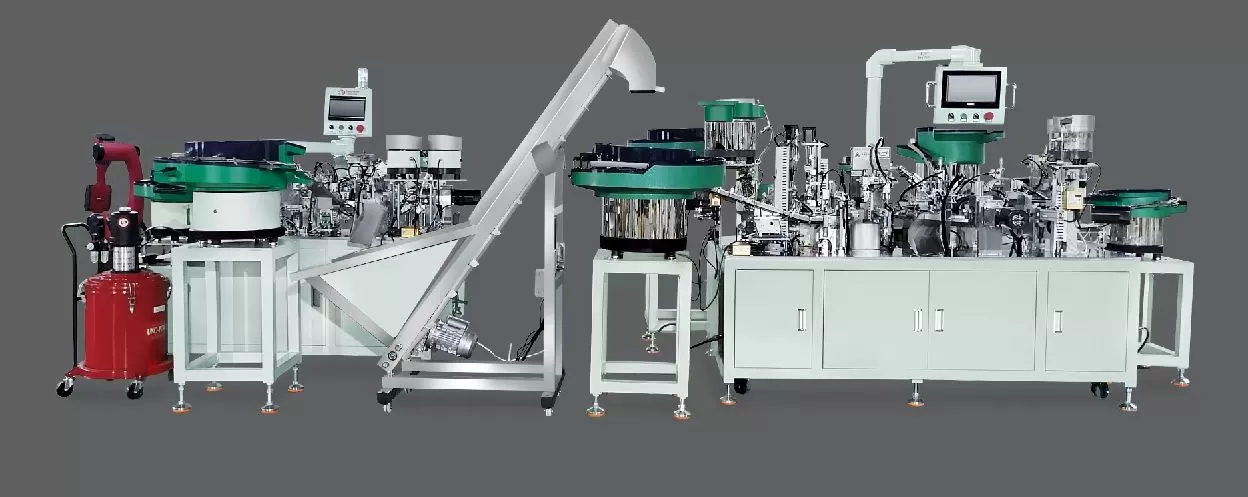
The performance verification process for the Jieyang Hinge Automatic Assembly Machine is a systematic, multi-stage procedure designed to ensure the machine meets strict operational standards, delivers consistent performance, and aligns with production requirements. As a critical step in manufacturing, this process validates the machine’s functionality, reliability, and efficiency before deployment, minimizing downtime and ensuring product quality. At Sanyhore, a professional manufacturer specializing in hinge assembly machines, telescopic drawer slide assembly machines, and roll forming machines, we prioritize rigorous verification to provide clients with equipment they can trust. For inquiries about our verification process or to discuss your specific assembly machine needs, contact our sales manager at +86 13425506550 or email info@sanyhore.com.
1. Understanding the Significance of Performance Verification
Performance verification is not merely a formality but a cornerstone of ensuring the Jieyang Hinge Automatic Assembly Machine’s long-term success. In automated manufacturing, even minor deviations in machine performance—such as speed, precision, or durability—can lead to production delays, defective products, or increased maintenance costs. By implementing a structured verification process, we confirm the machine operates within design parameters, handles hinge components accurately, and maintains stable performance under real-world production conditions. This step is essential for building client confidence and upholding our commitment to quality.
2. Design Validation: Laying the Groundwork for Reliability
Before physical production begins, design validation ensures the hinge assembly machine’s blueprint meets engineering standards. Our team conducts detailed reviews of the machine’s CAD models, focusing on structural integrity, component compatibility, and alignment with industry benchmarks. Key checks include load-bearing capacity, material selection for wear resistance, and integration of critical systems like servo motors and control panels. By validating the design upfront, we prevent potential flaws from progressing to later stages, reducing the risk of post-production adjustments and ensuring the machine’s core architecture supports consistent performance.
3. Component-Level Testing: Ensuring Each Part Performs
The machine’s performance hinges on the reliability of its individual components. Component-level testing involves subjecting each part—from precision guides and grippers to sensors and drive systems—to rigorous evaluations. For example, drive motors undergo load and speed tests to confirm they meet torque requirements, while sensors are calibrated to ensure accurate position detection. We also test for material fatigue by simulating extended operation, ensuring components like hinges and connecting rods can withstand repeated use without degradation. This stage ensures no single part becomes a bottleneck in the assembly process.
4. System Integration Testing: Simulating Real-World Production
Once individual components pass testing, system integration testing evaluates how parts work together. This phase mimics actual production scenarios, with the machine assembling sample hinge units under controlled conditions. We monitor key metrics such as assembly speed, positional accuracy (e.g., ensuring parts align within 0.02mm tolerance), and cycle time. Additionally, we test for interference between moving parts, check for leaks in pneumatic systems, and verify the machine’s ability to handle different hinge types (e.g., kitchen cabinet hinges, automotive door hinges). By simulating production workflows, we identify and resolve integration issues before the machine enters full operation.
5. Trial Operation: Fine-Tuning for Optimal Performance
Trial operation is a critical phase where the machine runs under full production conditions for an extended period. During this stage, our engineers collect real-time data on performance, including production output, defect rates, and energy consumption. We also monitor for unexpected issues like component wear, control system lag, or material jams. Based on this data, we fine-tune parameters such as machine speed, pressure settings, and tool positioning to optimize efficiency. For instance, adjusting gripper timing might reduce part misalignment by 15%, directly improving product quality and throughput.
6. Quality Monitoring: Continuous Assurance Beyond Deployment
Performance verification doesn’t end at trial operation. We implement ongoing quality monitoring to ensure the machine maintains its performance over time. This includes regular post-deployment check-ups, data logging of key metrics, and updates to maintenance schedules based on real-world usage. By combining our verification process with proactive monitoring, we ensure the Jieyang Hinge Automatic Assembly Machine remains reliable, even as production volumes increase or component wear occurs.
7. Why Choose Sanyhore for Hinge Assembly Machine Verification?
Sanyhore’s performance verification process stands out for its attention to detail and client-centric approach. Unlike generic testing, our process is tailored to hinge assembly machines, leveraging our 10+ years of expertise in automated manufacturing. We use advanced testing tools and simulate diverse production environments to ensure our machines perform consistently, regardless of hinge size, material, or production demands. As a manufacturer, we don’t just sell machines—we deliver solutions that drive efficiency and profitability for our clients. Partner with us to experience the difference of rigorous, reliable performance verification.


