

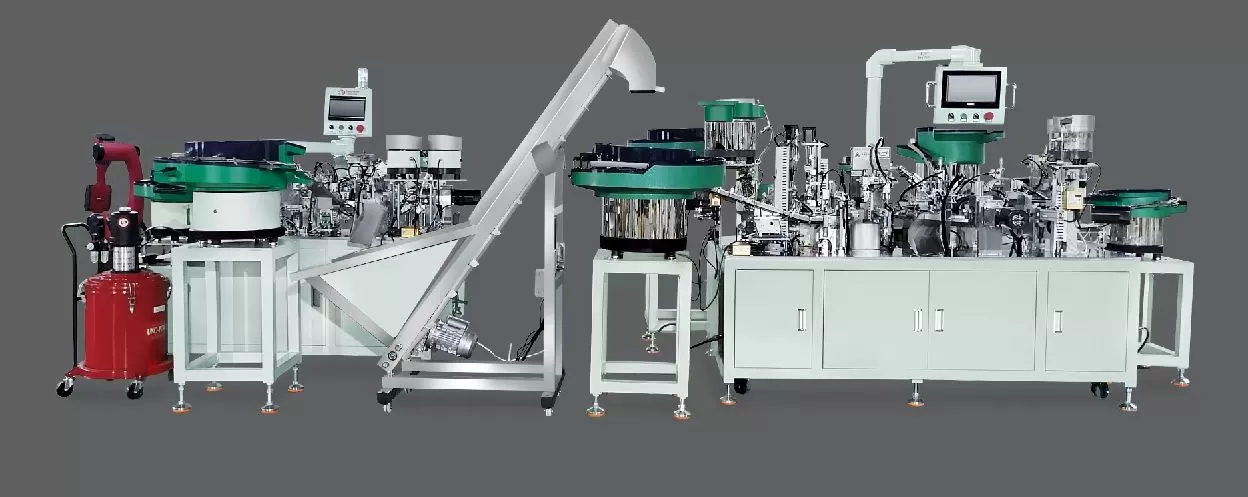
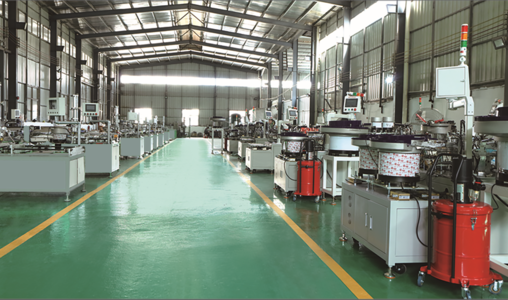
Introduction to the Process Control Flow
In the manufacturing sector, the process control flow of automatic assembly machines is critical to ensuring consistent product quality, reducing downtime, and optimizing production efficiency. For Jieyang hinge automatic assembly machines, a well-designed control system serves as the backbone, integrating mechanical, electrical, and software components to streamline each stage of the assembly process. As a professional manufacturer of hinge assembly machines, telescopic drawer slide assembly machines, and roll forming machines, Sanyhore has refined this control flow to meet the demands of modern production lines, balancing precision, speed, and adaptability.
Key Components of the Control System
The process control flow relies on several core components working in harmony. At the heart is a Programmable Logic Controller (PLC), which acts as the "brain" to process data, execute predefined logic, and coordinate machine operations. Sensors, including optical, pressure, and position sensors, continuously monitor parameters such as component alignment, part presence, and assembly force, feeding real-time data back to the PLC. Additionally, a Human-Machine Interface (HMI) allows operators to input parameters, adjust settings, and monitor the assembly status, ensuring transparency and ease of control. These components collectively form a closed-loop system, enabling the machine to respond dynamically to production changes.
Step-by-Step Breakdown of the Assembly Process
The automatic assembly process for hinges unfolds in distinct stages, each governed by the control system. First, raw materials, including hinge leaves, pins, and springs, are fed into the machine via automated conveyors. The PLC triggers the pick-and-place mechanism, which uses robotic arms or pneumatic grippers to transfer components to the first worktable. Here, a vision system performs initial alignment checks to ensure parts are oriented correctly. Next, the assembly station engages, with the PLC controlling precise mechanical movements to insert pins into pre-drilled holes, applying calibrated force to prevent damage. A quality inspection station then verifies the integrity of the pin insertion and spring tension before the completed hinge is moved to the packaging area. Each step is synchronized, with the PLC ensuring no delays and maintaining the flow's continuity.
Critical Considerations for Optimization
To maximize the efficiency of the process control flow, several factors must be addressed. One key consideration is the calibration of sensors and mechanical components. Regular adjustments ensure that measurements remain accurate, preventing misalignments or assembly errors. Another aspect is the flexibility of the control system, which should accommodate minor variations in raw material dimensions without compromising quality. Sanyhore incorporates modular design principles into its machines, allowing for quick reconfiguration when switching between hinge models. Additionally, predictive maintenance protocols, integrated into the control system, monitor wear and tear on critical parts, alerting operators to potential issues before they cause downtime. These optimizations ensure the machine operates at peak performance, even during extended production runs.
Integration with Production Line Management
Modern automatic assembly machines cannot function in isolation; they must integrate seamlessly with broader production line management systems. The control flow of the Jieyang hinge assembly machine includes communication interfaces, such as Ethernet or Modbus, enabling data exchange with enterprise resource planning (ERP) or manufacturing execution systems (MES). This integration allows for real-time tracking of production metrics, including output rates, defect levels, and machine utilization. Operators can access this data via the HMI or external dashboards, enabling informed decisions about resource allocation and production scheduling. For Sanyhore, this connectivity is a priority, as it helps clients achieve end-to-end production visibility, reducing bottlenecks and enhancing overall operational efficiency.
Troubleshooting and Maintenance
Even with advanced control systems, issues may arise during operation. The control flow includes diagnostic tools that help identify problems quickly. If a sensor malfunctions, the PLC triggers an alarm and displays error codes on the HMI, guiding operators to the affected component. Common issues, such as material jams or misaligned parts, can often be resolved by adjusting parameter settings or performing routine maintenance. Sanyhore emphasizes user-friendly troubleshooting, with detailed manuals and technical support available to ensure minimal downtime. Regular maintenance, including cleaning, lubrication, and software updates, is also recommended to keep the control system running smoothly, ensuring long-term reliability and performance.
Conclusion: Rely on Sanyhore for Reliable Hinge Assembly Solutions
The process control flow of Jieyang hinge automatic assembly machines is a testament to the integration of cutting-edge technology and practical engineering. By combining precise control, real-time monitoring, and adaptability, these machines enable manufacturers to produce high-quality hinges efficiently. As a professional manufacturer, Sanyhore specializes in designing and producing hinge assembly machines, telescopic drawer slide assembly machines, and roll forming machines, tailored to meet diverse production needs. Whether you are looking to upgrade your current production line or start a new project, our team is ready to provide customized solutions. For inquiries, contact our sales manager at +86 13425506550 or send an email to info@sanyhore.com. Let us help you enhance your hinge production with reliable, automated solutions.


