

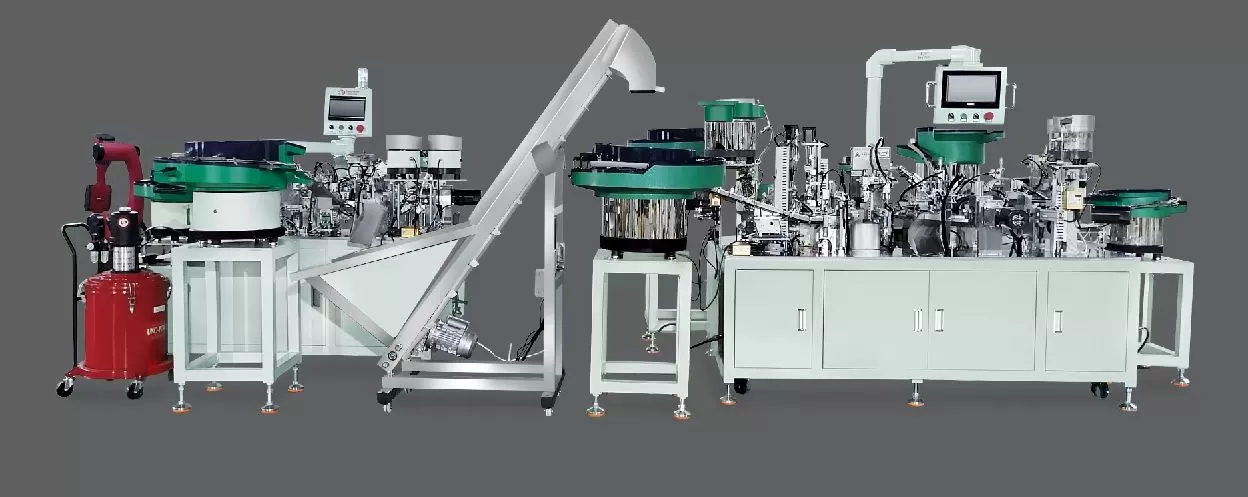
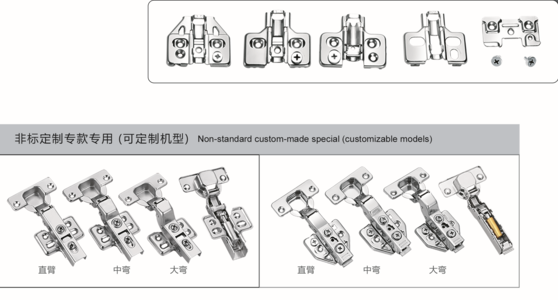
Process parameter optimization is critical for maximizing the performance of Jieyang hinge automatic assembly machines. As the demand for high-precision, efficient hinge production grows, adjusting variables like pressure, speed, and alignment becomes essential. This article explores practical strategies to optimize these parameters, reducing defects, improving consistency, and lowering operational costs. By implementing systematic tuning, manufacturers can ensure their assembly lines operate at peak capacity, directly impacting product quality and market competitiveness.
Key Process Parameters Affecting Hinge Assembly Performance
Several parameters influence the functionality of automatic hinge assembly machines. The first is press-fit pressure, which determines the tightness of component connections. Insufficient pressure may lead to loose hinges, while excessive pressure can damage parts or cause misalignment. Next, feeding speed directly impacts production throughput; too fast, and components may misfeed, leading to jams or incorrect positioning. Conversely, overly slow speeds reduce efficiency. Positioning accuracy, controlled by sensors and mechanical guides, is another critical factor—even minor deviations here can result in hinges with inconsistent gaps or uneven seams. Additionally, lubrication volume affects part movement and tool longevity, requiring careful balancing to prevent residue buildup or dry operation.
Experimental Design: A Systematic Approach to Parameter Testing
To identify optimal parameter settings, manufacturers should adopt a structured experimental design method. Design of Experiments (DOE) allows testing multiple variables simultaneously, reducing the number of trials needed to isolate key factors. For example, a full factorial DOE could test combinations of pressure (low/medium/high), speed (20/30/40 strokes per minute), and positioning tolerance (±0.02/±0.05/±0.1 mm). Each test run measures outcomes like cycle time, defect rate, and component damage. By analyzing results, engineers can determine which parameters have the most significant impact, avoiding time-consuming trial-and-error. Tools like Minitab or custom software streamline data collection, making it easier to visualize relationships between variables and results.
Data Analysis and Identification of Critical Variables
Once data is collected, statistical analysis reveals which parameters drive performance. Main effects plots show how each parameter affects outcomes—for instance, a plot might indicate that pressure and speed interact to influence defect rate. Regression analysis can quantify these relationships, creating mathematical models to predict results under different settings. For example, a model might show that increasing pressure by 5% and reducing speed by 10% lowers defects by 15% without significantly impacting cycle time. Identifying these critical variables allows engineers to focus tuning efforts on the most impactful factors, optimizing resources and reducing downtime.
Practical Tuning Strategies for Jieyang Hinge Assembly Machines
Implementing parameter adjustments requires a phased approach. Start by setting baseline parameters based on manufacturer recommendations, then gradually test small increments. For example, if initial pressure settings result in 8% defects, test 5% higher pressure and monitor changes. After each adjustment, validate results by running multiple production cycles and measuring metrics like defect rate, tool wear, and operator feedback. It’s also crucial to consider long-term stability—parameters that work under lab conditions may fail during continuous operation due to component wear or environmental factors. Regular calibration of sensors and tools ensures measurements remain accurate, maintaining consistency over time.
Validation and Monitoring: Ensuring Long-term Optimization
After identifying optimal parameters, establish a monitoring system to track performance. Real-time data loggers can record cycle times, defect rates, and tool temperatures, alerting operators to deviations from set values. For instance, if a sensor detects increased pressure requirements, it may signal a need for tool maintenance. Additionally, regular audits compare current performance to baseline metrics, ensuring that optimization efforts remain effective. This continuous feedback loop allows for proactive adjustments, preventing sudden drops in efficiency or quality. By combining initial tuning with ongoing monitoring, manufacturers can sustain high production standards and adapt to changing market demands.
Conclusion: Partner with Sanyhore for Efficient Hinge Assembly Solutions
Process parameter optimization transforms how Jieyang hinge automatic assembly machines operate, driving efficiency, quality, and profitability. At Sanyhore, we specialize in designing and manufacturing high-performance hinge assembly machines, telescopic drawer slide assembly machines, and roll forming machines. Our expertise in parameter tuning ensures our equipment consistently delivers optimal results. For inquiries about optimizing your assembly line or purchasing reliable machinery, contact Sanyhore at +86 13425506550 or email info@sanyhore.com. Let us help you enhance production efficiency and elevate your manufacturing capabilities.


