

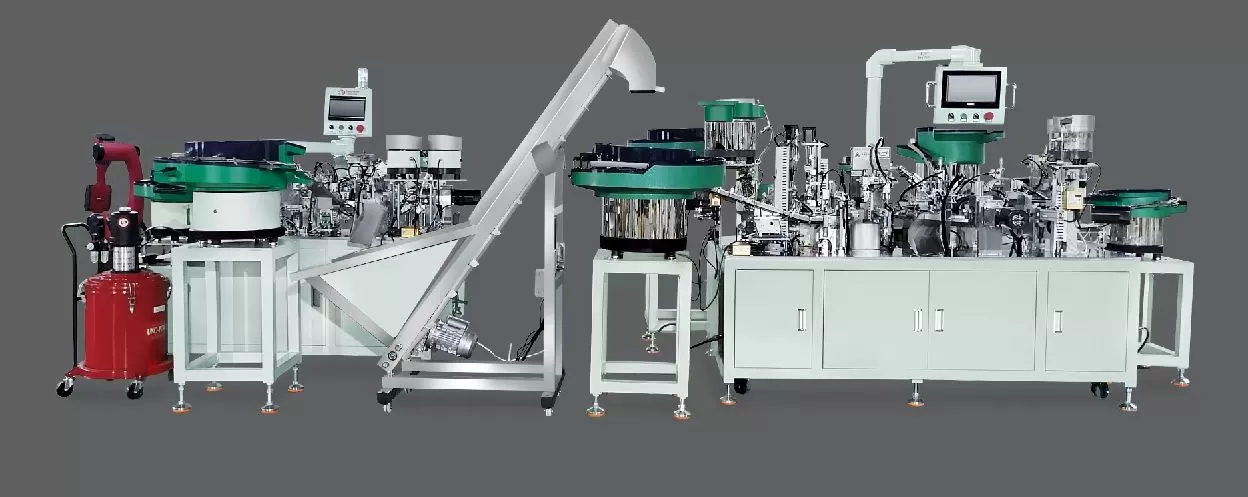
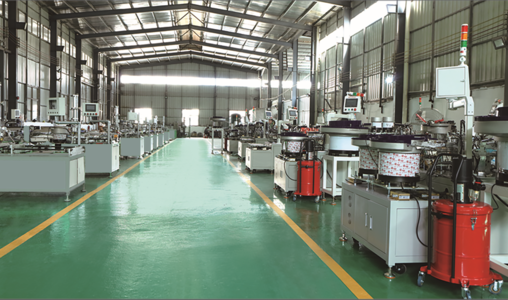
In the competitive landscape of hinge manufacturing, especially in regions like Jieyang, where precision and speed drive profitability, optimizing the production efficiency of automatic assembly machines has become a critical focus for manufacturers. For companies relying on these machines to meet growing demands, even small gains in efficiency can translate to significant cost reductions and enhanced market competitiveness. This article outlines a structured process to optimize the production efficiency of Jieyang hinge automatic assembly machines, integrating technical upgrades, data analysis, and operational best practices.
Understanding the Current Hinge Assembly Process Flow
Before initiating optimization, a thorough understanding of the existing production flow is essential. This involves mapping out each step of the assembly process—from raw material feeding to component sorting, positioning, joining, and final inspection. For Jieyang hinge automatic assembly machines, common steps include material handling, hinge component alignment, fastener installation, and quality testing. By documenting each stage with timestamps and resource allocation, manufacturers can identify where delays or inefficiencies occur. For instance, a bottleneck might emerge at the component sorting station if the machine fails to accurately pick and place parts within required tolerances, leading to frequent jams or rework.
Identifying Key Efficiency Bottlenecks
Once the process flow is mapped, the next step is to pinpoint bottlenecks. These are the stages that consume the most time, resources, or both, thereby limiting overall production output. For automatic hinge assembly machines, bottlenecks can stem from several sources: mechanical issues (e.g., worn-out parts causing slow movement), software glitches (e.g., misaligned programming leading to component misplacement), or workflow inconsistencies (e.g., uneven material supply rates). To identify these, production managers can use tools like time-motion studies, video analysis of the assembly process, or real-time monitoring systems that track machine uptime, cycle time, and defect rates. For example, if the machine’s cycle time—defined as the time to complete one full assembly cycle—is consistently above the target of 15 seconds, it indicates a bottleneck that needs immediate attention.
Leveraging Technological Upgrades for Assembly
Technological advancements often play a pivotal role in efficiency optimization. For Jieyang hinge automatic assembly machines, upgrading to more advanced systems can address mechanical and software bottlenecks. One common upgrade is integrating precision-guided robotics, which can handle smaller, more intricate hinge components with higher speed and accuracy than traditional mechanical arms. Additionally, implementing smart sensors and IoT connectivity allows real-time data collection on machine performance, enabling predictive maintenance to prevent unplanned downtime. For instance, pressure sensors in the joining mechanism can alert operators if the force applied during fastener installation is deviating from the optimal range, reducing the risk of component damage and rework.
Implementing Quality Control Integration
While optimizing efficiency, maintaining product quality is non-negotiable. Poor quality can lead to increased rework, which directly undermines efficiency. Therefore, quality control should be integrated into the optimization process, not as a separate step. This can involve adding inline inspection stations that use vision systems to check component alignment, fastener tightness, and surface finish. For example, a high-resolution camera system can scan each hinge post-assembly to detect even minor misalignments, ensuring only合格产品 (qualified products) proceed to the next stage. By integrating quality checks early, manufacturers avoid the high costs of post-production rework and scrap, which often result from late-stage defect detection.
Data-Driven Continuous Optimization
In today’s manufacturing environment, data is a powerful tool for driving continuous improvement. By collecting and analyzing production data—such as cycle time, defect rates, machine utilization, and operator productivity—manufacturers can identify trends and patterns that inform further optimizations. For instance, analyzing data might reveal that the assembly machine performs less efficiently during peak hours due to increased material temperature, prompting adjustments to cooling systems. Additionally, using machine learning algorithms, production managers can predict potential inefficiencies before they occur, such as identifying when a specific component’s delivery time is likely to be delayed and adjusting inventory levels accordingly.
Staff Training and Process Standardization
Even the most advanced machines and software systems will underperform without properly trained operators. Process standardization and operator training are therefore critical components of efficiency optimization. Operators should receive comprehensive training on machine operation, troubleshooting common issues, and adhering to standardized workflows. For example, training sessions can cover how to calibrate the machine’s grippers to ensure consistent part handling or how to use the monitoring system to identify and report anomalies promptly. By standardizing processes, manufacturers reduce variability in production, minimize human error, and ensure that all operators work in alignment with the optimized workflow, leading to more consistent and reliable efficiency gains.
Conclusion: Partnering with Experts for Long-Term Efficiency
Optimizing the production efficiency of Jieyang hinge automatic assembly machines is an ongoing process that requires a combination of technical upgrades, data analysis, and operational discipline. By following the structured approach outlined above—from understanding the current flow to leveraging data-driven insights—manufacturers can significantly enhance productivity and reduce operational costs. For companies seeking a trusted partner to implement these optimizations, Sanyhore is a leading manufacturer of hinge assembly machines, telescopic drawer slide assembly machines, and roll forming machines. With years of experience in the industry, Sanyhore delivers tailored solutions to meet specific efficiency goals. To learn more about how we can help optimize your hinge production line, contact us at +86 13425506550 or via email at info@sanyhore.com.
Common SEO Questions for Hinge Assembly Machine Optimization
1. How can Jieyang hinge automatic assembly machines improve production efficiency?
2. What challenges are typically faced in hinge assembly process optimization?
3. How does Sanyhore’s hinge assembly machine help reduce production bottlenecks?
4. What technical upgrades are recommended for older hinge automatic assembly machines?
5. How to integrate data analytics into hinge production efficiency optimization?


