

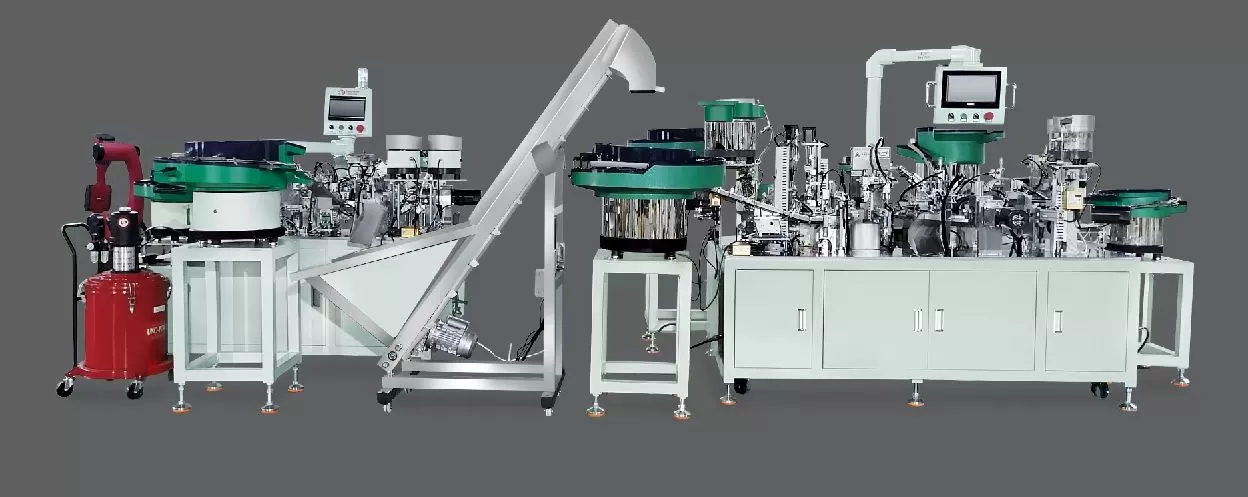
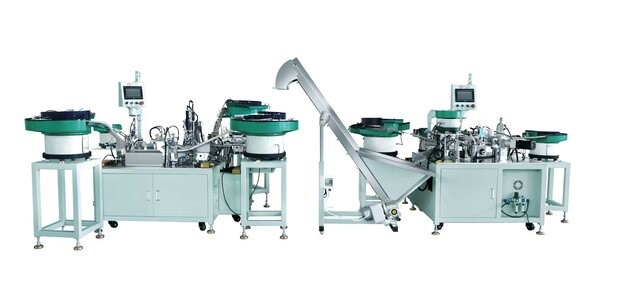
The technical training process for Jieyang hinge automatic assembly machines is a systematic approach designed to ensure operators and maintenance staff can fully master the equipment’s functionality, operation, and upkeep. This training is critical for minimizing downtime, improving production precision, and extending machine lifespan, especially in high-volume manufacturing environments. As a professional manufacturer of hinge assembly machines, telescopic drawer slide assembly machines, and roll forming machines, Sanyhore understands the importance of tailored training to maximize the performance of its equipment. Below outlines the key stages and components of this training process.
1. Pre-Training Preparation: Laying the Foundation for Success
Before formal training begins, thorough preparation ensures a focused and effective learning experience. This stage involves understanding the specific needs of the trainees, such as their existing technical background and familiarity with assembly equipment. Trainers then prepare customized materials, including equipment manuals, safety guidelines, and process flowcharts. They also set clear training objectives, such as enabling trainees to independently complete machine setup, perform routine maintenance, and troubleshoot common issues. For Jieyang hinge automatic assembly machines, pre-training may include reviewing the machine’s mechanical structure, control system, and integration with upstream/downstream production lines to ensure trainees grasp the broader operational context.
2. Theoretical Knowledge Training: Building Core Understanding
Theoretical training forms the basis of the learning process, covering fundamental concepts and technical details of the hinge automatic assembly machine. Key topics include:
- Mechanical Structure: Components like feeding systems, clamping mechanisms, and assembly tools, with explanations of how each part coordinates to form the hinge.
- Electrical and Control Systems: Insights into PLC programming, sensor applications, and HMI (Human-Machine Interface) operation, helping trainees understand how the machine processes data and executes assembly steps.
- Safety Protocols: Critical safety measures, such as emergency stop procedures, lockout/tagout protocols, and personal protective equipment (PPE) requirements, to prevent accidents during operation.
- Quality Control Standards: Specifications for hinge dimensions, joint strength, and surface finish, ensuring trainees recognize and meet production quality benchmarks.
3. Hands-On Operation Training: From Simulation to Real-World Application
Hands-on training is where trainees transition from theory to practice, using the actual Jieyang hinge automatic assembly machine. This stage typically involves:
- Machine Setup: Guided practice in configuring initial parameters, such as material thickness settings, assembly pressure, and tool positioning, to adapt the machine to different hinge models.
- Step-by-Step Operation: Trainees follow standardized workflows to load raw materials, initiate assembly cycles, and unload finished products, with trainers providing real-time feedback on speed, precision, and efficiency.
- Quality Monitoring: Learning to inspect assembled hinges using tools like calipers or vision systems, identifying defects early, and adjusting the machine to meet quality standards.
- Error Handling: Simulating common operational errors (e.g., material jams, tool misalignment) to teach trainees how to diagnose and resolve issues quickly, minimizing production interruptions.
4. Maintenance and Troubleshooting Training: Ensuring Long-Term Reliability
To prevent unexpected breakdowns, maintenance and troubleshooting training is essential. This component focuses on:
- Routine Maintenance: Daily, weekly, and monthly checks, such as lubricating moving parts, cleaning sensors, and inspecting electrical connections, to maintain machine performance.
- Preventive Maintenance: Replacing wear-and-tear components (e.g., cutting tools, conveyor belts) before they fail, based on usage data and manufacturer recommendations.
- Advanced Troubleshooting: Diagnosing complex issues, such as control system malfunctions or mechanical misalignments, using diagnostic tools like multimeters or oscilloscopes, and applying systematic problem-solving methods.
- Documentation: Recording maintenance logs and troubleshooting results to track machine health and inform future training or upgrades.
5. Assessment and Certification: Validating Training Proficiency
After completing the training modules, trainees undergo a comprehensive assessment to confirm their proficiency. This includes:
- Theoretical Exam: A written or oral test covering mechanical, electrical, and safety concepts to ensure foundational knowledge.
- Practical Evaluation: Operating the machine independently to assemble a batch of hinges, with evaluators assessing accuracy, efficiency, and adherence to safety protocols.
- Case Study Analysis: Solving simulated production challenges, such as optimizing assembly speed or reducing defect rates, to demonstrate application of learned skills.
- Certification: Successful completion of the assessment results in a certification, validating the trainee’s ability to operate and maintain the Jieyang hinge automatic assembly machine, which is often required for on-the-job authorization.
6. Post-Training Support: Sustaining Learning and Performance
Sanyhore provides ongoing support to ensure trainees maintain their skills post-training. This includes:
- Follow-Up Consultations: Regular check-ins to address new questions or challenges, ensuring trainees can adapt to evolving production needs.
- Refresher Courses: Periodic training sessions to update knowledge on new machine features, process improvements, or industry standards.
- Technical Hotline: Access to a dedicated support team for urgent issues, with contact information provided to trainees for quick assistance.
Common SEO Questions and Answers for Hinge Assembly Machine Training
Q: How long does the technical training for Jieyang hinge automatic assembly machines typically take?
A: The duration varies based on trainee background, but a standard program includes 2-3 weeks of theoretical and hands-on training, plus post-training assessments.
Q: Can Sanyhore customize training content for our specific hinge models?
A: Yes, we tailor training to your hinge specifications, ensuring alignment with your production line and product requirements.
For inquiries about our technical training services or to learn more about our hinge assembly machines, telescopic drawer slide assembly machines, and roll forming machines, contact us at +86 13425506550 or email info@sanyhore.com. Our team is ready to support your production efficiency with professional, tailored solutions.


