

.png)
In today’s fast-paced manufacturing landscape, the integration of automation has evolved from a competitive edge to a fundamental necessity. As global markets demand faster turnaround times, tighter quality standards, and greater operational flexibility, traditional manual production methods increasingly struggle to keep pace. Automated systems, however, offer a transformative solution, redefining how modern factories operate. This shift not only addresses efficiency challenges but also unlocks new possibilities for scalability, precision, and long-term sustainability.
The Pervasive Shift to Automation in Manufacturing
The adoption of automation in production is no longer limited to large corporations with significant resources. Small to medium enterprises (SMEs) are also embracing automated solutions, driven by the need to remain competitive in an increasingly interconnected global economy. According to industry reports, automated production lines can reduce production cycle times by up to 50% while simultaneously increasing output by 30% or more. This dual benefit—faster throughput and higher output—positions automation as a critical driver of operational excellence.
Enhancing Operational Efficiency Through Automated Systems
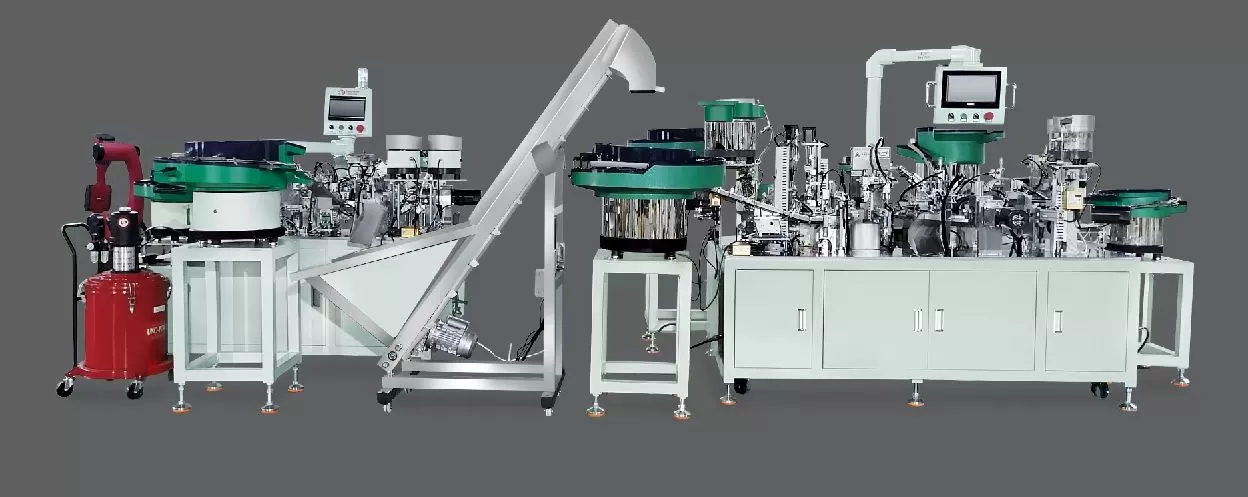
Automation streamlines production by eliminating human error, reducing downtime, and optimizing workflow. Unlike manual operations, which are prone to fatigue and inconsistency, automated systems operate with precision and consistency 24/7. For instance, in hinge assembly, an automated machine can perform repetitive tasks such as component alignment, fastening, and quality checks in a fraction of the time a human worker would take. This not only speeds up production but also frees employees to focus on more complex, value-added tasks, such as machine maintenance and process optimization.
Minimizing Costs: The Financial Impact of Automation
While initial investment in automated equipment can seem substantial, the long-term cost savings are often significant. Reduced labor costs, lower material waste, and minimized rework are key financial benefits. Automated systems, such as telescopic drawer slide assembly machines, are designed to use materials more efficiently, with built-in sensors that adjust for variations in component size and shape, reducing scrap rates by up to 20%. Additionally, fewer human workers mean lower wage expenses and reduced risks of work-related injuries, further lowering operational overhead.
Ensuring Product Quality and Consistency with Automation
Quality control is a cornerstone of modern manufacturing, and automation plays a pivotal role in maintaining consistent standards. Automated machines are equipped with advanced inspection tools, such as vision systems and pressure sensors, that monitor every production step in real time. For example, a roll forming machine, which shapes metal components for滑轨, uses feedback loops to adjust parameters like temperature and pressure, ensuring each part meets exact specifications. This level of precision eliminates the variability associated with manual operations, resulting in products that are uniform, reliable, and compliant with industry standards.
Adapting to Market Demands: Flexible Production with Automated Tools
In today’s dynamic market, the ability to quickly adapt to changing customer demands is crucial. Automated production systems offer the flexibility to switch between product variants with minimal setup time. Unlike rigid manual lines, which require hours of retooling, automated machines can be reprogrammed in minutes, allowing manufacturers to respond to new orders or design changes without significant disruption. This flexibility is particularly valuable for producers of custom components, such as hinge assemblies or telescopic drawer slides, who need to meet diverse customer requirements efficiently.
Leveraging Data for Smarter Production Decisions
Automated systems generate vast amounts of real-time data, providing manufacturers with actionable insights to optimize operations. Sensors and control systems collect data on production rates, machine performance, and product quality, which can be analyzed using advanced analytics tools. This data-driven approach enables predictive maintenance, reducing unplanned downtime by identifying potential machine issues before they occur. It also helps in identifying bottlenecks in the production line, allowing managers to make informed decisions about resource allocation and process improvements.
Sanyhore: Your Trusted Provider of Automated Production Solutions As a leading manufacturer of automated production equipment, Sanyhore is dedicated to helping businesses harness the power of automation. Our range of machines, including hinge assembly machines, telescopic drawer slide assembly machines, and roll forming machines, is designed to enhance efficiency, reduce costs, and improve product quality. With a focus on innovation and reliability, Sanyhore’s automated solutions are tailored to meet the unique needs of modern production facilities, whether large-scale factories or small workshops.
Ready to transform your production processes? Contact Sanyhore today to learn more about how our automated machines can drive your business forward. Our team of experts is available to discuss your specific requirements and provide customized solutions. For inquiries or to schedule a consultation, reach out via phone at +86 13425506550 or email at info@sanyhore.com. Let’s build a more efficient, productive, and profitable production future together.


