

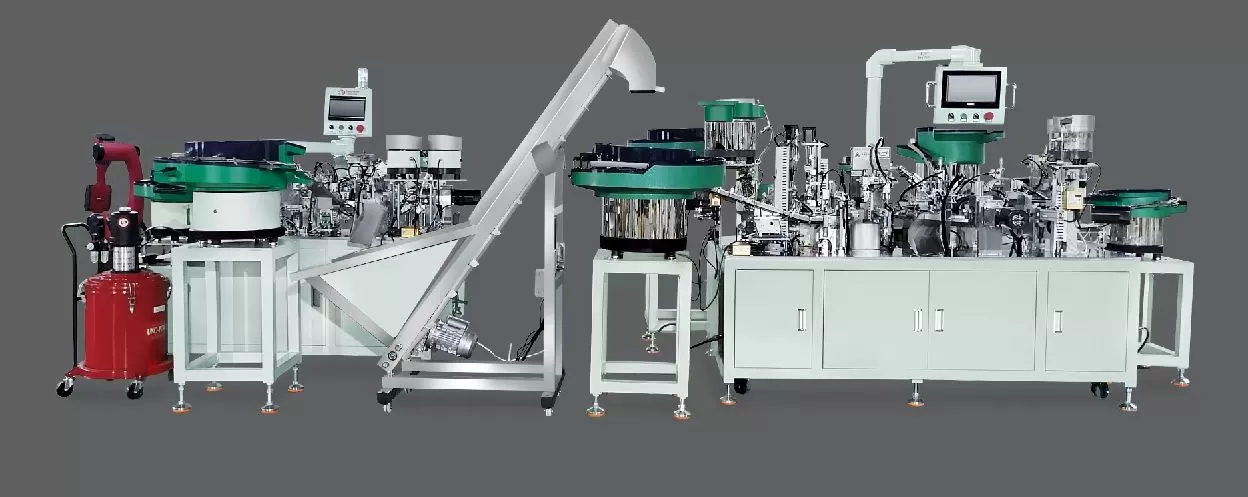
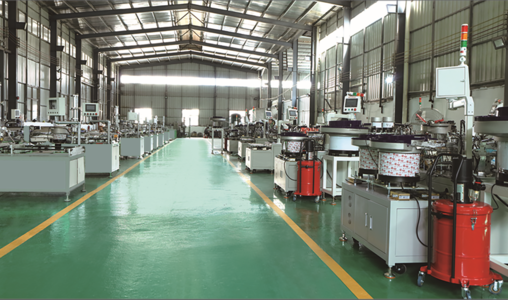
Maintaining consistent product quality is a top priority for manufacturers across industries, from furniture production to automotive manufacturing. However, traditional manual assembly processes often fall short, with human variables—such as fatigue, skill levels, and attention spans—leading to inconsistencies in output. These inconsistencies not only affect customer satisfaction but also increase production costs through rework, scrap, and reduced efficiency. To address this, many forward-thinking companies are turning to automatic solutions, which offer a reliable, repeatable way to ensure every unit meets strict quality standards. This article explores how automatic assembly systems can transform production lines, delivering consistent quality while streamlining operations.
Understanding the Challenges of Inconsistent Production
Manual assembly is inherently prone to variability. Even highly skilled workers experience fluctuations in precision over time, especially during long shifts. For example, a worker tightening a hinge bolt might apply slightly more or less torque than specified, leading to hinges that are either too loose or too tight. Similarly, in the production of telescopic drawer slides—critical components in modern furniture—small differences in how parts are aligned or joined can result in slides that jam, misalign, or fail prematurely. These issues create a ripple effect: increased inspection time, higher material waste, and a reputation for unreliability. Without a structured approach to control these variables, maintaining consistent quality becomes an ongoing battle.
The Role of Automation in Ensuring Consistency
Automation eliminates human variability by replacing manual tasks with precise, repeatable machine operations. At the core of this is the integration of advanced technologies: sensors that measure dimensions, force, and position with micrometer-level accuracy; programmable logic controllers (PLCs) that follow pre-set parameters without deviation; and robotic arms that perform tasks with consistent force, speed, and timing every single time. Unlike humans, machines do not tire, do not get distracted, and do not vary their output based on external factors. This consistency is foundational to achieving the reliable quality that modern markets demand.
Key Features of an Automatic Assembly System for Consistent Quality
An effective automatic assembly system for consistent quality must incorporate several key features. First, real-time monitoring systems, such as high-resolution cameras and precision sensors, continuously inspect components during production, immediately identifying defects like misaligned parts or incomplete joins. Second, adaptive control systems adjust for minor variations in raw materials, ensuring each unit stays within tolerance levels without manual intervention—this is critical for maintaining quality across different batches or product runs. Additionally, modular design allows for quick reconfiguration, reducing downtime during model changes and ensuring minimal disruption to production schedules. Finally, data logging capabilities provide insights into performance metrics, enabling manufacturers to track quality trends and make proactive adjustments.
Benefits Beyond Quality: Efficiency and Cost Savings
While consistent quality is the primary goal, automatic assembly systems deliver additional benefits that make them a sound investment. By reducing reliance on manual inspection and rework, these systems significantly cut operational costs. For instance, a manufacturer using an automatic hinge assembly machine can reduce scrap rates by up to 30% and lower labor costs by reallocating staff to more value-added tasks. Similarly, the increased speed and reliability of automated systems boost overall production output, allowing companies to meet tighter deadlines and scale their operations without compromising on quality. Over time, these efficiencies translate to a stronger bottom line and a competitive edge in the market.
Sanyhore: Your Partner in Automatic Quality Control
When it comes to implementing an automatic solution for consistent quality, Sanyhore stands out as a trusted partner. As a manufacturer specializing in hinge assembly machines, telescopic drawer slide assembly machines, and roll forming machines, Sanyhore combines technical expertise with a deep understanding of industry needs. Each system is engineered to integrate seamlessly into existing production lines, with features tailored to specific product requirements—whether for small household hinges or heavy-duty industrial slides. What sets Sanyhore apart is its commitment to customization: working closely with clients to design solutions that address their unique challenges, from volume production to specialized part specifications. This collaborative approach ensures that every machine delivered is not just a tool, but a strategic asset in achieving long-term quality and efficiency goals.
Ready to transform your production line with a solution that delivers consistent quality, reduced costs, and improved efficiency? Contact Sanyhore today to discuss your specific needs. Our team of experts is available to provide a tailored consultation and answer any questions about our automatic assembly systems. Reach out via phone at +86 13425506550 or email at info@sanyhore.com to start your journey toward reliable, high-quality production.


