

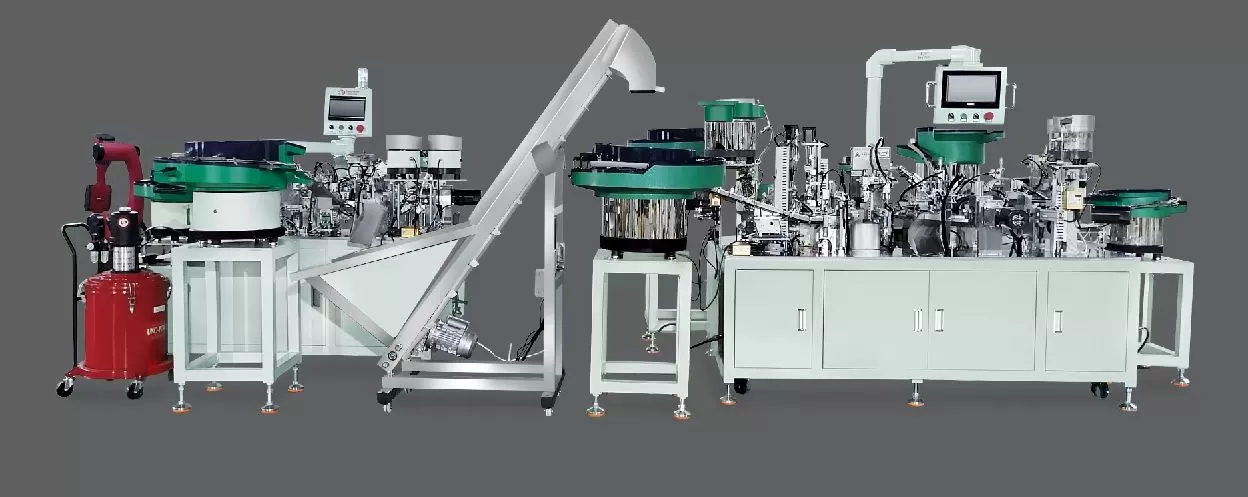
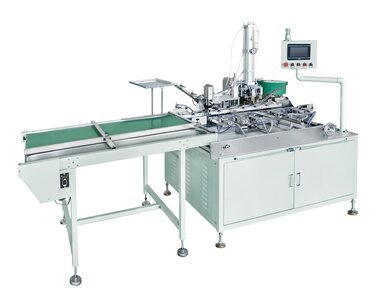
In today’s fast-paced industrial landscape, the shift toward automatic manufacturing isn’t just a trend—it’s a revolution. The complete automatic manufacturing experience merges advanced technology, precision engineering, and optimized workflows to transform how products are made, from concept to final output. For manufacturers seeking to boost productivity, reduce costs, and maintain consistent quality, this journey starts with understanding the core of automated systems, from assembly to forming. At the heart of this experience lies the integration of specialized machinery, where every step is designed to minimize human intervention, maximize accuracy, and ensure seamless scalability. Whether producing hinges, telescopic drawer slides, or other components, the right automatic manufacturing setup can turn complex production chains into streamlined, reliable processes.
Understanding the Core of Automatic Manufacturing
Automatic manufacturing is built on three pillars: technology, design, and adaptability. At its core are advanced systems that replace manual tasks with automated tools—think robotic arms for assembly, computerized control systems for precision, and real-time data monitoring for efficiency. For example, hinge assembly machines use servo motors and vision systems to align components with sub-millimeter accuracy, eliminating the inconsistencies of manual work. Similarly, telescopic drawer slide assembly machines integrate conveyor systems and automated clamping mechanisms to ensure each slide meets strict tolerances, reducing defects by up to 90%. These systems aren’t just about speed; they’re about creating a production environment where every action is intentional, from material loading to quality checks.
Key Stages in an Automated Production Line
A complete automatic manufacturing experience unfolds in distinct stages, each playing a critical role in the final product. The first stage is material handling, where advanced conveyors and robotic grippers transport raw materials to the production line. This minimizes downtime and ensures a steady supply of components. Next comes the assembly phase, where specialized machines like hinge assembly equipment or telescopic slide assembly machines perform precise joining—riveting, welding, or press-fitting—without human error. Quality control is the third stage, with integrated vision systems and sensors that inspect each component for flaws, such as misaligned parts or surface imperfections, before they move to the next step. Finally, packaging and sorting systems automatically box finished products, readying them for distribution. Each stage is interconnected, creating a closed-loop process that optimizes every minute of production.
Technical Advantages of Automated Manufacturing
The benefits of automatic manufacturing extend far beyond efficiency. One key advantage is scalability: automated lines can be adjusted to produce different product variants with minimal setup time, making them ideal for manufacturers with diverse production needs. For instance, a single telescopic drawer slide assembly machine can switch between producing 10-inch and 18-inch slides by reconfiguring tooling and updating control parameters, reducing changeover time from hours to minutes. Another advantage is data-driven decision-making. Modern automated systems collect real-time data on production rates, energy usage, and component quality, allowing managers to identify bottlenecks and optimize workflows. Over time, this data also helps refine machine performance, ensuring long-term reliability and reducing maintenance costs.
Quality Control in Automated Systems
In automatic manufacturing, quality isn’t an afterthought—it’s embedded in every step. Advanced sensors and metrology tools continuously monitor processes, from the initial roll forming of slide rails to the final assembly of hinges. For example, our roll forming machines use adaptive roll tooling that adjusts in real time to material thickness variations, ensuring consistent part dimensions. Vision inspection systems then take 3D scans of each component, comparing them to digital blueprints to catch even the smallest deviations. This level of precision not only meets strict industry standards but also builds customer trust, as manufacturers can confidently deliver products with zero defects.
Enhancing Productivity with Specialized Equipment
To truly experience automatic manufacturing, you need the right equipment. At Sanyhore, we specialize in engineering machines that turn production challenges into opportunities. Our hinge assembly machines combine high-speed operation with user-friendly interfaces, allowing operators to set up and run production with minimal training. For telescopic drawer slide manufacturing, our telescopic drawer slide assembly machines integrate seamlessly with existing lines, boosting output by up to 40% while maintaining quality. And for material forming, our roll forming machines offer unmatched versatility, capable of producing complex, high-strength slide rails from various materials, from steel to aluminum. Each machine is designed to work in harmony with others, creating a complete automated production ecosystem that adapts to your needs.
Future Trends in Automatic Manufacturing
The automatic manufacturing experience is evolving, driven by emerging technologies like Industry 4.0 and AI. Smart factories, where machines communicate with each other and central systems, are becoming more common, enabling predictive maintenance and remote monitoring. For example, sensors in our assembly machines can detect early signs of wear and alert maintenance teams before breakdowns occur, reducing unplanned downtime. Similarly, AI-powered vision systems are improving defect detection, identifying flaws that might escape traditional sensors. As these technologies advance, the automatic manufacturing experience will only become more intuitive, efficient, and sustainable.
Q: How do automatic manufacturing machines improve production speed?
A: Automated systems eliminate manual bottlenecks, such as slow assembly or inconsistent material handling, by performing tasks at speeds far beyond human capacity. For instance, our hinge assembly machines can process up to 120 hinges per minute, compared to 30-40 by manual teams, directly boosting overall production rates.
Ready to Transform Your Production?
The complete automatic manufacturing experience is within reach. At Sanyhore, we don’t just sell machines—we deliver solutions that turn your production goals into reality. Whether you need a custom hinge assembly line, a telescopic drawer slide production system, or a reliable roll forming machine, our team of engineers will work with you to design, install, and maintain the perfect setup.
Contact us today to start your journey toward efficient, high-quality manufacturing:
Phone: +86 13425506550
Email: info@sanyhore.com
Let’s build the future of automatic manufacturing together.


