

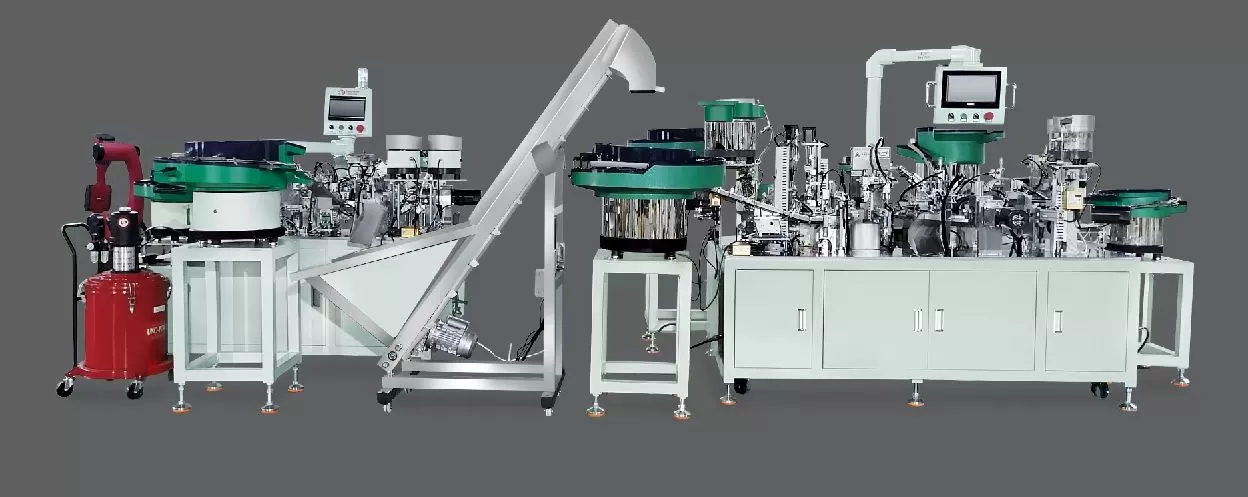
Roll forming technology has revolutionized the manufacturing of soft-closing drawer slides, combining precision engineering with efficient production processes to create components that balance performance, durability, and user comfort. This complete guide explores the fundamentals, advantages, and best practices of this specialized roll forming method, essential for anyone involved in drawer slide production.
Introduction to Soft-Closing Drawer Slides and Roll Forming
Soft-closing drawer slides have become a staple in modern furniture and appliance design, offering users a smooth, quiet closing experience while preventing slamming and potential damage to contents. To meet this demand, manufacturers increasingly rely on roll forming—a continuous process that shapes metal strips through sequential roller passes to create complex, consistent profiles. Unlike traditional stamping, roll forming excels in high-volume production, maintaining tight tolerances critical for soft-closing functionality. This method ensures each slide component, from tracks to damping mechanisms, aligns perfectly, delivering reliable performance.
Core Principles of Roll Forming Technology
At its core, roll forming operates on continuous plastic deformation. A flat metal strip—typically steel or stainless steel—is fed into a machine with a series of shaped, rotating rollers. Each roller set gradually bends the material, imparting the desired cross-sectional profile, such as the channels and flanges needed for soft-closing slides. The key lies in precise roller design, often modeled using CAD software to match the slide’s specifications. This process not only shapes the material but also enhances its mechanical properties, ensuring strength and flexibility for long-term use.
Key Features of Soft-Closing Drawer Slide Roll Forming
Roll forming for soft-closing drawer slides integrates specialized features to achieve optimal performance. One standout is the seamless integration of damping systems, like hydraulic or pneumatic mechanisms, directly formed into the slide’s profile during production. This eliminates post-assembly steps, reducing labor and costs. Additionally, the process enables telescopic slide designs, where nested rails are formed in a single pass, ensuring smooth extension and retraction. Fine details, such as notches or embossed patterns, are also added to enhance the slide’s ability to absorb closing force, perfecting the soft-closing effect.
Critical Steps in the Roll Forming Process
The roll forming journey for soft-closing drawer slides includes several key steps. First, material preparation: strips are cleaned, deburred, and coated to ensure formability and corrosion resistance. Next, roller tooling is designed using CAD to match the slide’s profile. During production, the strip is fed through the roll forming line at controlled speeds, with each roller station applying incremental force to shape the material. Post-forming, slides undergo cutting, secondary operations (e.g., drilling), and rigorous quality checks—including dimensional measurements and functional testing—to meet industry standards for soft-closing reliability.


