

Drawer slides are the silent architects of daily convenience, turning a simple pull into a smooth, controlled motion. Among their many functionalities, soft-closing technology has emerged as a critical benchmark for user satisfaction, eliminating the abrupt jolts of slamming drawers. Yet, the seamless experience we take for granted relies on a complex interplay of materials, mechanics, and precision engineering. This article unpacks the science and craftsmanship that make soft-closing drawer slides not just a feature, but a masterpiece of modern manufacturing.
#The Core Components: The Brain and Muscles of Soft-Closing
At the heart of every soft-closing slide lies a system of components working in harmony. The primary actor is the *damping mechanism*, often a small, spring-loaded cylinder or a rubber-based buffer, which converts kinetic energy into heat through controlled friction. Complementary parts include *tension springs* that counteract drawer momentum and *friction pads* made from high-durability polymers, ensuring consistent resistance. Even the metal rails, typically crafted from cold-rolled steel, are engineered with micro-grooves to guide the drawer smoothly, while plastic end caps protect internal mechanisms from wear. Each component, no matter how small, plays a role in the slide’s ability to decelerate gradually.
#The Physics of Slow Deceleration: From Kinetic to Quiescent
The magic of soft-closing lies in balancing momentum and resistance. When a drawer is pulled open, it gains kinetic energy, which must be dissipated slowly to prevent slamming. This is achieved through a *damping fluid* (in hydraulic systems) or *air compression* (in pneumatic setups). As the drawer nears full extension, a lever or cam mechanism triggers the damping unit: the fluid is forced through tiny orifices, creating resistance that slows the drawer’s movement. The design of these orifices—their size, shape, and placement—is critical. A poorly sized orifice can result in either a jarring stop (if too small) or a lagging closure (if too large). Engineers use computational fluid dynamics (CFD) to model fluid flow, ensuring the perfect balance between speed and smoothness.
#Precision Engineering: Materials and Geometry Matter
Materials selection is a linchpin in soft-closing performance. Rails are often made from galvanized steel or stainless steel to resist corrosion and maintain structural integrity, while damping components use high-grade plastics like acetal or nylon for their low-friction, wear-resistant properties. Even the tolerances in rail dimensions are minuscule—often within 0.1mm—to prevent wobbling or excessive noise. For example, the engagement points between the slide’s ball bearings and rails are precision-machined to ensure zero play, a detail that eliminates the "sticky" feel users hate. 3D modeling tools like CAD allow engineers to simulate real-world stress, ensuring components withstand thousands of cycles without degrading.
#Balancing Performance and Longevity
Designers face the challenge of creating soft-closing slides that work flawlessly from day one *and* last for years. Overly aggressive damping, for instance, might feel "too soft" and cause the drawer to drift shut unexpectedly, while under-damping leads to slamming. To resolve this, engineers test with a range of user inputs: light pulls, heavy loads, and even accidental slams. They also optimize spring tension to adapt to different drawer weights, ensuring the mechanism works consistently regardless of what’s inside. The result is a balance where the slide feels responsive yet gentle, with components designed to self-lubricate over time, reducing the need for maintenance.
#Manufacturing Innovations: Scaling Perfection
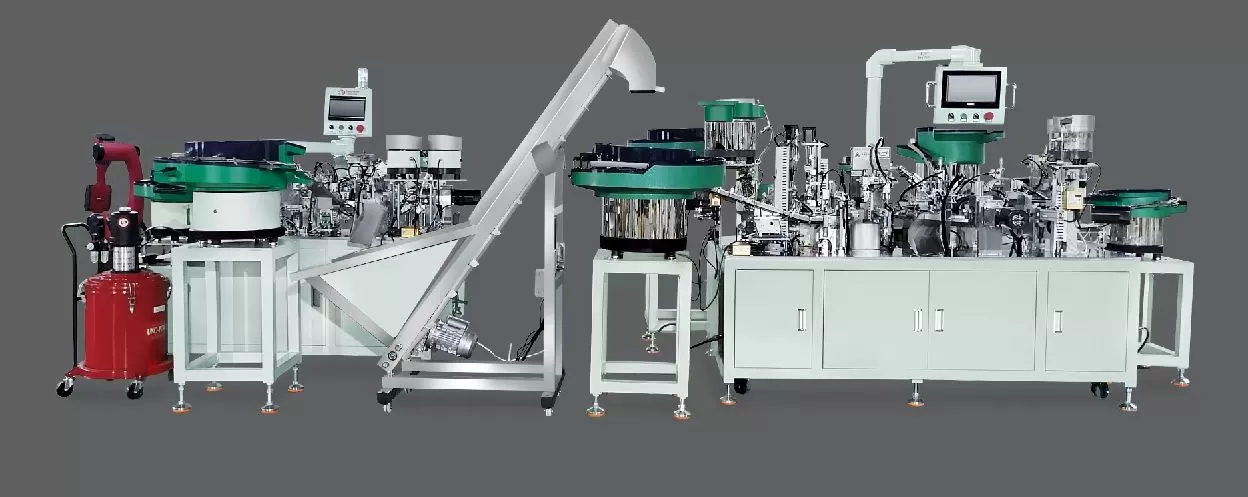
Bringing these engineered slides to market requires advanced manufacturing processes. Automated assembly lines now integrate laser measurement tools to check component tolerances, ensuring every slide meets strict quality standards. Robotic arms place damping units with sub-millimeter precision, eliminating human error. For example, the insertion of micro-orifices in damping cylinders is done via EDM (Electrical Discharge Machining), a process that achieves tolerances impossible with traditional drills. These innovations not only boost efficiency but also ensure the reliability that makes soft-closing slides a trusted feature in homes and offices worldwide.
Behind every soft-closing drawer slide is a story of engineering precision, where physics, materials science, and manufacturing technology converge. From the micro-orifices in a damping cylinder to the cold-rolled steel rails, each element is designed to work in harmony, delivering a seamless experience that enhances daily life.
If you’re looking to elevate your furniture’s functionality with cutting-edge slide technology, Sanyhore—specializing in hinge assembly machines, telescopic drawer slide assembly machines, and roll forming machines—can provide the expertise to bring your vision to life. Contact our team today at +86 13425506550 or via info@sanyhore.com to explore how our manufacturing innovations can redefine your product’s performance.


