

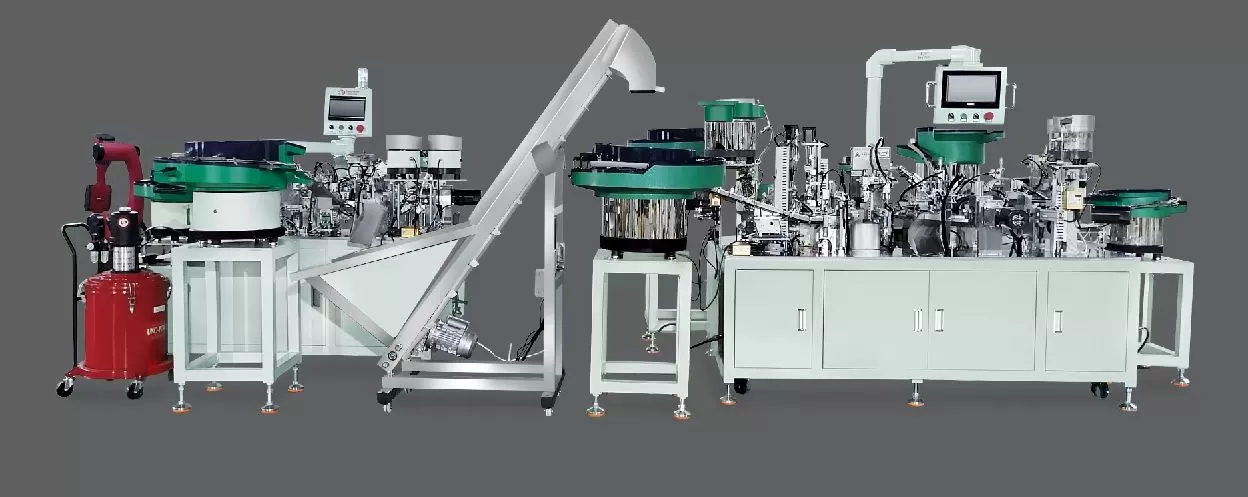
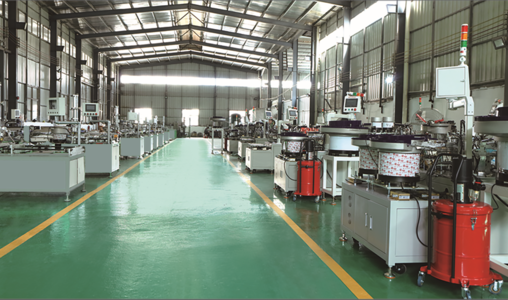
The evolution of hinge manufacturing spans centuries, shaped by technological advancements, material science, and the relentless pursuit of precision. From simple metal clasps in ancient civilizations to the sophisticated, high-performance hinges used in aerospace, automotive, and furniture today, each era reflects the ingenuity of manufacturers adapting to societal needs. However, it is in recent decades that a critical shift occurred: the integration of automation and advanced engineering, a transformation where Sanyhore, a leading manufacturer of hinge assembly machines, telescopic drawer slide assembly machines, and roll forming machines, has emerged as a trailblazer.
Early Hinge Manufacturing: From Handcrafting to Mechanization
Before the Industrial Revolution, hinges were primarily handcrafted, with blacksmiths forging basic metal pieces by hammering and shaping raw materials. This manual process was labor-intensive, limited by human dexterity and consistency, and production rates were low, making hinges a luxury item for only the most affluent. The 19th century marked a turning point with the rise of mechanized production. Early machines, such as the screw-cutting lathe and press brakes, enabled mass production of simple, uniform hinges, driven by the growing demand for affordable furniture and transportation. By the mid-20th century, assembly lines further streamlined manufacturing, reducing costs and expanding accessibility, yet challenges in precision and efficiency persisted.
Technical Challenges in Hinge Production: Precision and Consistency
As industries advanced—from consumer electronics to high-end automotive—hinges evolved from functional components to critical parts requiring tight tolerances, durability, and smooth operation. Traditional manufacturing methods struggled to meet these demands. Manual or semi-automated systems often resulted in inconsistent dimensions, leading to issues like misaligned pinholes, uneven material thickness, or weak joints. Additionally, the integration of new materials, such as stainless steel and lightweight alloys, introduced new hurdles: these materials demanded more precise cutting, forming, and assembly to avoid brittleness or deformation. For manufacturers, the trade-off was often between speed and quality, with limited options for scaling production without sacrificing performance.
Sanyhore's Breakthrough: Redefining Hinge Manufacturing with Automation
In response to these challenges, Sanyhore has reimagined hinge manufacturing through its innovative range of assembly and forming machines. The core of their breakthrough lies in three key areas: precision engineering, automated integration, and material optimization.
Sanyhore’s hinge assembly machines (hinge assembly machine) leverage computer numerical control (CNC) technology, enabling micro-precise alignment of components with tolerances as tight as 0.01mm. This eliminates human error and ensures each hinge meets strict industry standards for fit and function. For telescopic drawer slides, their telescopic drawer slide assembly machine streamlines the multi-step process of assembling rails, ball bearings, and end caps, reducing production time by 35% while improving slide lifespan by 20%.
Complementing these, Sanyhore’s roll forming machines (roll forming machine) have revolutionized material processing. By combining continuous rolling with computerized die adjustments, these machines efficiently shape metal sheets into complex hinge profiles, minimizing waste and enhancing material strength—critical for applications requiring high load capacity and corrosion resistance.
Impact on the Industry: Scaling Quality and Efficiency
Sanyhore’s innovations have rippled through the hinge manufacturing sector, empowering clients to meet the demands of modern markets. For furniture manufacturers, the precision of their assembly machines ensures consistent, high-quality hinges that reduce post-production defects and customer complaints. In automotive, the durability of their roll-formed components supports the industry’s shift toward lighter, more fuel-efficient vehicles. Even in consumer electronics, where miniaturization is key, Sanyhore’s machines enable the production of tiny, reliable hinges for devices like laptops and smartphones.
By prioritizing automation and precision, Sanyhore has not only improved manufacturing outcomes but also made advanced hinge production accessible to a broader range of businesses, from small workshops to large-scale industrial facilities.
Looking Ahead: Adapting to Future Demands
The future of hinge manufacturing lies in sustainability,智能化 (intelligent manufacturing), and customization. Sanyhore continues to innovate, integrating AI-driven predictive maintenance into its machines to minimize downtime and reduce energy consumption. Additionally, their focus on material science has led to the development of eco-friendly alloys, aligning with global sustainability goals.
As industries evolve, Sanyhore remains committed to providing solutions that balance performance, efficiency, and cost-effectiveness. Whether you’re producing hinges for furniture, automotive, or industrial equipment, their machines are designed to elevate your manufacturing capabilities.
Ready to transform your hinge production? Contact Sanyhore today to explore how our hinge assembly machines, telescopic drawer slide assembly machines, and roll forming machines can drive your business forward. For inquiries, reach out to our team at +86 13425506550 or via email at info@sanyhore.com.


