
Hydraulic systems have become a cornerstone of modern production, offering unmatched precision, speed, and reliability to meet the demands of today’s fast-paced manufacturing landscape. From automotive to aerospace, these systems leverage the power of controlled fluid dynamics to streamline operations, reduce inefficiencies, and elevate product quality. Unlike traditional mechanical or pneumatic alternatives, hydraulic solutions provide a unique blend of force, accuracy, and adaptability that aligns perfectly with the needs of advanced manufacturing. As industries increasingly prioritize automation and high-volume production, understanding the hydraulic advantage becomes critical for staying competitive.
Enhanced Precision and Consistency
At the heart of hydraulic systems lies their ability to deliver consistent, repeatable force with pinpoint accuracy. Unlike mechanical systems, which may suffer from backlash or wear over time, hydraulic power relies on fluid pressure to drive components, ensuring minimal deviation in movement. This precision is especially vital in processes like hinge assembly or telescopic drawer slide manufacturing, where even minor inconsistencies can compromise product functionality. For example, a hydraulic press can apply uniform pressure across multiple points during hinge pin insertion, reducing the risk of misalignment and ensuring each unit meets strict tolerance requirements. This level of consistency not only improves product quality but also minimizes rework, saving both time and resources.
Improved Production Speed and Throughput
Hydraulic systems excel in boosting production speed, a key factor in meeting tight deadlines and high-volume demands. The inherent power density of hydraulic components allows for rapid acceleration and deceleration, enabling faster cycle times in assembly and forming operations. Consider a telescopic drawer slide assembly machine: a hydraulic cylinder can extend and lock into place in milliseconds, significantly reducing the time per unit compared to slower mechanical drives. This acceleration in throughput directly translates to higher output, allowing manufacturers to scale production without overextending labor or energy costs. In an era where consumer demand for quick delivery drives competition, hydraulic systems act as a catalyst for operational efficiency.
Reduced Energy Consumption and Cost-Effectiveness
While hydraulic systems are powerful, modern advancements have made them more energy-efficient than ever before. Innovations like variable frequency drives (VFDs) and high-efficiency pumps ensure that hydraulic systems only consume energy when needed, reducing idle power draw. Additionally, the closed-loop design of many hydraulic setups minimizes energy loss, making them more cost-effective than pneumatic systems, which often require continuous air supply and pressure regulation. For manufacturers, this means lower utility bills and a smaller carbon footprint—two critical factors in today’s sustainability-focused market. Sanyhore, a leading provider of hydraulic-powered assembly and forming machinery, integrates these energy-saving features into its hinge assembly machines and telescopic drawer slide assembly machines, helping clients reduce operational costs while meeting green goals.
Adaptability to Diverse Production Needs
One of the most significant advantages of hydraulic systems is their versatility across industries and production requirements. Whether manufacturing small hinges or large-scale telescopic slides, hydraulic machinery can be adjusted to handle varying loads, speeds, and force outputs. This adaptability is achieved through modular design and adjustable pressure settings, allowing operators to fine-tune the system for specific tasks. For instance, a hydraulic roll forming machine can switch between different metal thicknesses with minimal setup, ensuring seamless production of diverse components. This flexibility eliminates the need for specialized machinery for each product, simplifying inventory and reducing downtime—an essential benefit for manufacturers with diverse production lines.
Reliability and Durability in Heavy-Duty Operations
Modern production often involves heavy-duty tasks, such as stamping, forging, or assembling large components. Hydraulic systems are engineered to withstand these rigorous conditions, with robust components like high-strength cylinders and corrosion-resistant fluid lines ensuring long service life. Unlike mechanical systems, which may fail under sudden load spikes, hydraulic systems distribute force evenly, reducing stress on individual parts. This durability translates to fewer breakdowns, less maintenance, and a longer lifespan for production equipment—ultimately lowering total cost of ownership (TCO). Sanyhore’s hydraulic machinery, including its hinge assembly machines and telescopic drawer slide assembly machines, is built with this reliability in mind, ensuring minimal disruptions to production schedules.
Supporting Advanced Manufacturing Trends
As industries embrace the Fourth Industrial Revolution, hydraulic systems are proving to be integral to smart factory integration. When paired with sensors and IoT technologies, they enable real-time monitoring of performance metrics, such as pressure, temperature, and cycle times. This data allows operators to predict maintenance needs, optimize processes, and even adjust production parameters remotely. For example, a hydraulic assembly machine with IoT connectivity can alert technicians to a drop in fluid pressure before a critical failure occurs, preventing costly downtime. Sanyhore, as a pioneer in hydraulic-powered manufacturing solutions, offers seamless integration with Industry 4.0 frameworks, helping clients build more agile and responsive production lines.
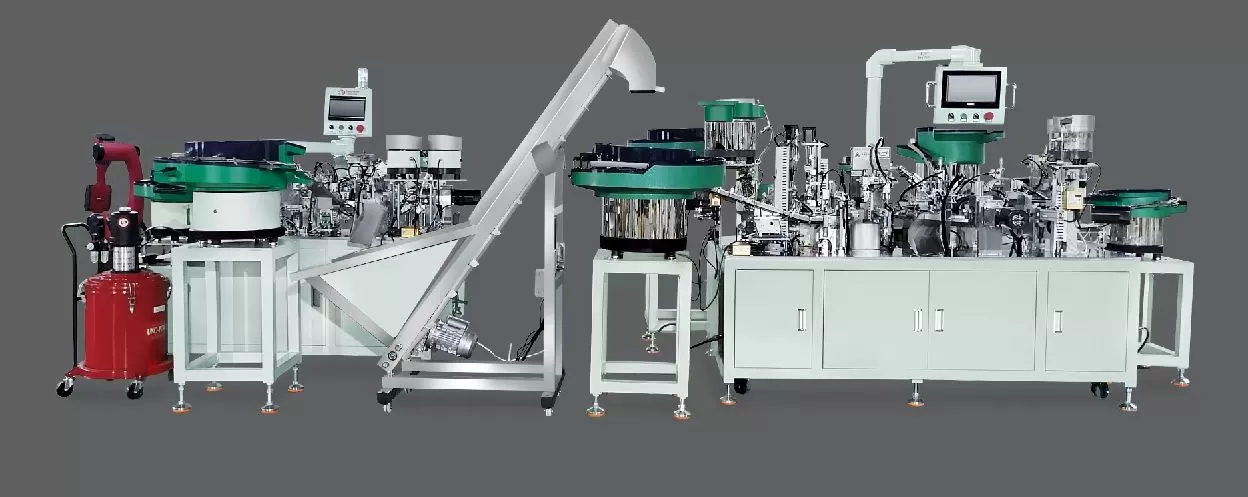
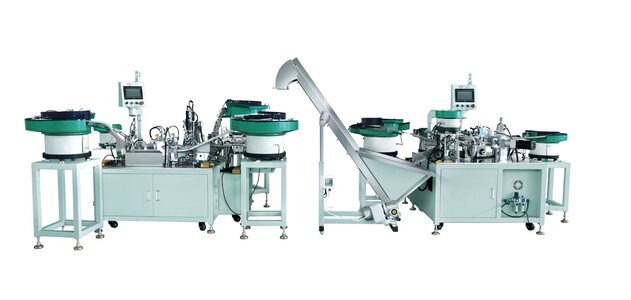
For manufacturers seeking to harness the hydraulic advantage, partners like Sanyhore provide the expertise and technology needed to transform operations. Specializing in hinge assembly machines, telescopic drawer slide assembly machines, and roll forming machines, Sanyhore’s hydraulic systems are designed to enhance precision, speed, and cost-efficiency across diverse production lines. Whether you’re scaling up output or upgrading aging equipment, Sanyhore’s tailored solutions deliver the performance and reliability modern production demands.
To learn more about how hydraulic systems can elevate your manufacturing process, contact our sales manager today: +86 13425506550. For inquiries, email: info@sanyhore.com.
Common SEO Questions for Hydraulic Machinery and Production Equipment
1. Q: How do hydraulic systems improve manufacturing precision compared to other power sources?
A: Hydraulic systems use fluid pressure to deliver controlled, consistent force with minimal deviation, making them ideal for processes requiring tight tolerances, such as hinge or slide assembly.
2. Q: What makes Sanyhore’s hydraulic assembly machines suitable for modern production lines?
A: Sanyhore’s machines integrate advanced hydraulic technology with modular design, ensuring adaptability to diverse production needs, from small hinges to large telescopic slides.
3. Q: Can hydraulic systems reduce energy costs in manufacturing operations?
A: Yes—modern hydraulic systems with VFDs and high-efficiency pumps minimize energy consumption, lowering utility bills while supporting sustainability goals.
4. Q: What maintenance is required for hydraulic machinery?
A: Regular fluid checks, filter replacements, and component inspections ensure long-term reliability. Sanyhore offers comprehensive maintenance support for its equipment.
5. Q: How do hydraulic systems support automation in production?
A: Hydraulic systems pair seamlessly with IoT and sensors, enabling real-time monitoring and remote adjustments, critical for smart factory integration and process optimization.


