
In the fast-paced landscape of modern manufacturing, where precision, speed, and reliability are non-negotiable, hydraulic systems have transcended their role as mere power sources to become strategic assets. By harnessing the force of fluid dynamics, manufacturers are not only meeting the demands of high-volume production but also pushing the boundaries of what’s achievable in complex component fabrication. Unlike traditional mechanical or electrical systems, hydraulic technology delivers consistent, controlled force with minimal energy loss, making it indispensable for industries ranging from automotive to aerospace.
1. The Core of Hydraulic Systems: Power and Control
At the heart of hydraulic advantage lies their ability to convert mechanical energy into fluid power. Using incompressible hydraulic fluid, these systems generate force through pressure, enabling precise control over motion and force application. Unlike pneumatics, which rely on compressible air, hydraulics offer near-instantaneous response to control inputs, ensuring operators can adjust parameters like clamping force or positioning in real time. This responsiveness is critical in assembly tasks where even minor misalignments can compromise product integrity—whether it’s aligning tiny hinges or securing heavy structural components.
2. Precision Redefined: Minimizing Errors in Assembly
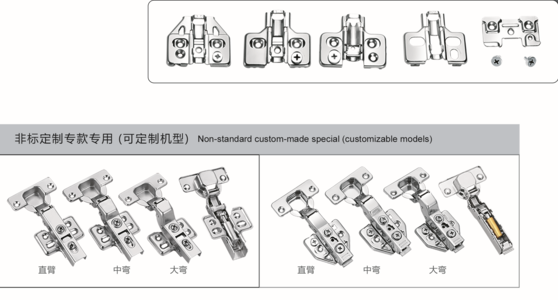
Modern manufacturing increasingly demands components with tight tolerances, and hydraulic systems excel here. In hinge assembly, for example, hydraulic cylinders apply uniform pressure across contact points, reducing gaps between mating parts to within micrometer ranges. This precision directly translates to fewer defective products, a key metric for reducing waste and rework. Similarly, in telescopic drawer slide assembly, hydraulic-powered alignment tools ensure rails move smoothly without jamming, enhancing user experience and product durability. By eliminating manual adjustments—prone to human error—hydraulic systems maintain consistency across large production runs.
3. Scalability and Adaptability: From Small Parts to Large-Scale Production
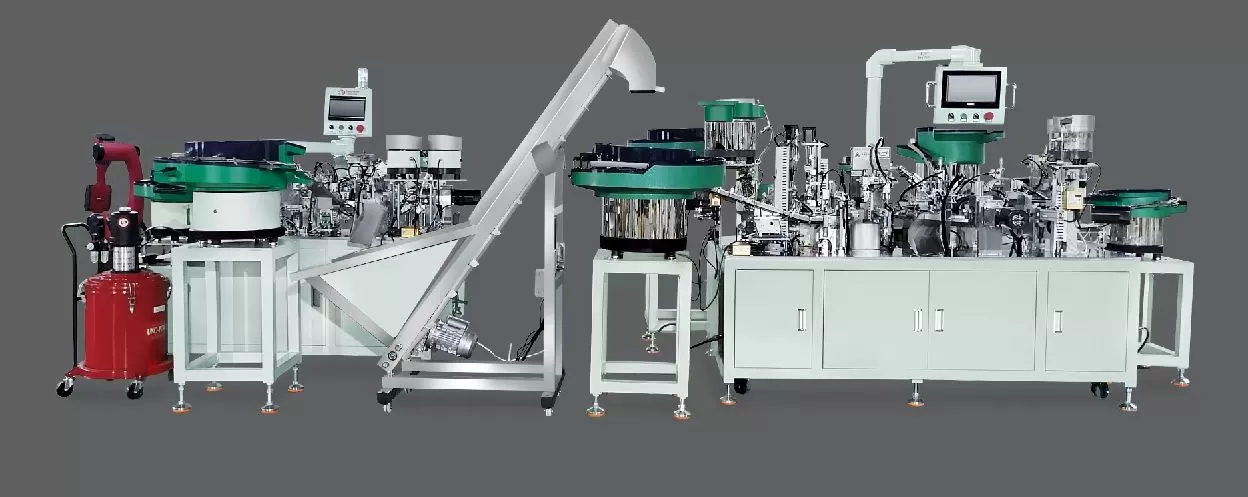
Hydraulic systems are inherently scalable, making them ideal for both small-batch custom manufacturing and large-scale industrial production. A single hydraulic press, for instance, can handle tasks from stamping small metal brackets to forming large sheets of steel, while modular designs allow integration into automated lines. This adaptability reduces the need for specialized equipment, lowering capital costs for manufacturers. Sanyhore, a trusted provider of hydraulic assembly solutions, leverages this scalability in its hinge assembly machines and telescopic drawer slide assembly machines, which can be configured to accommodate diverse component sizes and production speeds.
4. Longevity and Reliability: Reducing Downtime in Production Lines
In the quest for 24/7 production, reliability is non-negotiable. Hydraulic systems are built to withstand harsh industrial environments, with robust components like high-strength cylinders and sealed fluid lines minimizing wear and tear. Unlike some electrical systems, they are less susceptible to damage from dust, moisture, or temperature fluctuations—common challenges in manufacturing facilities. This durability translates to lower maintenance requirements and reduced downtime, ensuring production lines operate at peak efficiency. Sanyhore’s hydraulic machines, including roll forming machines for滑轨成型, are engineered with this in mind, prioritizing longevity without sacrificing performance.
5. The Future of Hydraulic Manufacturing: Integration with Smart Technologies
As Industry 4.0 advances, hydraulic systems are evolving to integrate with IoT and automation. Smart sensors monitor pressure, temperature, and usage patterns, enabling predictive maintenance and real-time adjustments. For example, hydraulic assembly machines can now communicate with production management software to optimize cycle times based on order demand, further boosting efficiency. This synergy between hydraulics and smart manufacturing not only enhances current operations but also positions facilities for future growth in a competitive global market.
Common SEO Questions & Answers
Q: What makes hydraulic systems a preferred choice in manufacturing?
A: Hydraulic systems offer superior power-to-weight ratio, precise control over force and motion, and resilience in harsh environments—key traits for tasks requiring both strength and accuracy.
Q: How do hydraulic assembly machines improve production efficiency?
A: By enabling rapid, repeatable operations with minimal manual input, they reduce cycle times, minimize errors, and support high-volume production with consistent quality.
Q: Can Sanyhore’s hydraulic machines be customized for specific needs?
A: Yes, Sanyhore designs tailored solutions, including hinge assembly machines, telescopic drawer slide assembly machines, and roll forming machines, to align with clients’ unique production requirements.
Q: How do hydraulic systems impact product quality?
A: Their stable force application ensures tight tolerances, reducing misalignment and enhancing durability—critical for components like hinges and drawer slides in consumer and industrial products.
Ready to elevate your manufacturing processes with hydraulic advantage? Contact Sanyhore, your trusted partner in precision hydraulic assembly machines, telescopic drawer slide assembly machines, and roll forming machines. For inquiries, reach out to our sales manager at +86 13425506550 or email info@sanyhore.com.


