

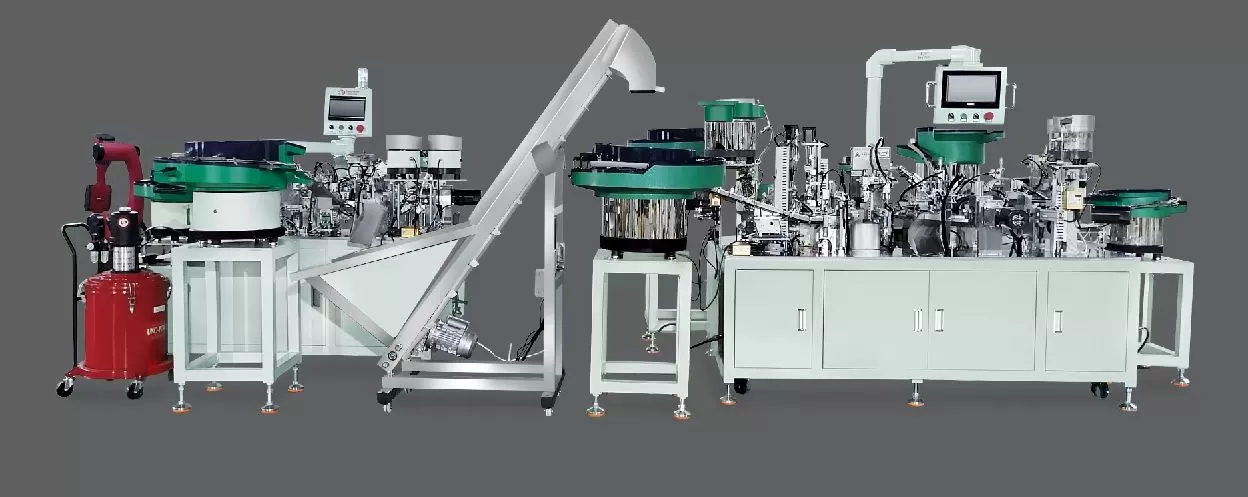
Jieyang, a key industrial hub in Guangdong province, has emerged as a global leader in 3D hinge assembly production, catering to demands from furniture, automotive, and consumer electronics sectors. As the demand for high-performance hinges—critical components for smooth movement and structural stability—grows, the quality control (QC) standards of local factories have become paramount. This article explores the essential quality control frameworks adopted by Jieyang’s 3D hinge assembly factories, highlighting how rigorous standards ensure product reliability and meet international benchmarks.
Material Sourcing and Initial Inspection
The foundation of quality in 3D hinge production lies in material selection. Reputable factories in Jieyang prioritize sourcing raw materials from certified suppliers, with strict criteria for metal alloys (e.g., 304 stainless steel, high-carbon steel) and precision plastics. These materials undergo comprehensive testing before entering production, including hardness measurement via Rockwell testers, chemical composition analysis using X-ray fluorescence (XRF), and surface finish checks under magnification. For instance, metal blanks are verified for dimensional accuracy within ±0.02mm to ensure compatibility with 3D assembly tolerances, while plastic components undergo impact strength and heat resistance tests to withstand long-term use.
In-Process Monitoring and Precision Control
Once materials are approved, the assembly process itself is tightly regulated. Modern 3D hinge factories leverage advanced automation systems, integrating CNC machines and servo-driven assembly tools to maintain consistency. During production, real-time monitoring of key parameters—such as torque during pin insertion, alignment of hinge components, and pressure during welding—is conducted. Optical sensors and vision systems inspect part alignment, ensuring that 3D angles (critical for multi-directional movement) meet specifications of ±0.5 degrees. Additionally, operators perform periodic manual checks, using tools like dial indicators to verify component fit, and document deviations to trigger immediate adjustments in machine settings. This proactive monitoring minimizes defects and ensures each hinge adheres to design requirements.
Final Product Validation and Testing
Before leaving the factory floor, every 3D hinge undergoes rigorous final testing to simulate real-world performance. Common tests include cyclic durability tests, where hinges are opened and closed 10,000+ times to assess wear resistance, and load capacity tests, where they are subjected to specified weights (e.g., 5kg for standard hinges) to verify structural integrity. Environmental testing is also critical: samples are exposed to extreme temperatures (-20°C to 80°C) and humidity (95% RH) in climate chambers, followed by functional checks to ensure no performance degradation. Visual inspections further confirm surface quality, including smoothness, color consistency, and absence of burrs or deformities, ensuring the hinge meets aesthetic and tactile standards for end-users.
Compliance and Documentation: Building Trust
To align with global market requirements, Jieyang’s QC systems strictly adhere to international standards, such as ISO 9001 (quality management) and CE marking for EU markets. Factories maintain detailed documentation, including batch records of materials, production logs, and test results, which are stored for at least five years to enable traceability. This compliance not only meets regulatory obligations but also builds trust with clients, as it demonstrates a commitment to transparency and accountability. For example, a client can trace a hinge back to its raw material batch, manufacturing date, and test outcomes, ensuring full visibility into product quality.
Continuous Improvement: Adapting to Industry Demands
Leading 3D hinge assembly factories in Jieyang view quality control as an ongoing process, not a one-time check. They invest in employee training programs, focusing on new QC technologies and statistical process control (SPC) to identify trends in defects. Regular internal audits, conducted by third-party experts, evaluate process efficiency and recommend optimizations—such as upgrading to AI-powered vision systems for faster defect detection or refining assembly sequences to reduce human error. This culture of continuous improvement ensures that factories stay ahead of evolving industry needs, from stricter durability requirements to miniaturization trends in hinge design.
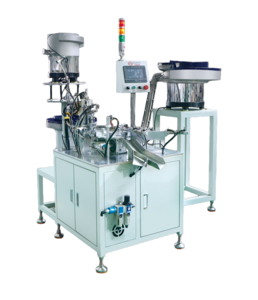
For manufacturers aiming to enhance their 3D hinge production, reliable equipment is key. Sanyhore, a trusted supplier of precision assembly machinery, offers cutting-edge solutions tailored to Jieyang’s factories, including 3D hinge assembly machines and telescopic drawer slide assembly machines. With a focus on accuracy, durability, and user-friendly operation, Sanyhore’s equipment integrates seamlessly into existing production lines, supporting factories in maintaining and elevating their quality control standards. To learn more about how our machinery can optimize your production efficiency and product reliability, contact Sanyhore at +86 13425506550 or via email at info@sanyhore.com.


