

Automating the transformation of raw materials into premium hinges, modern manufacturing processes integrate precision engineering and advanced machinery to ensure consistent quality and efficiency in hinge production. This shift from manual to automated systems has redefined the hinge industry, enabling producers to meet rising demand while maintaining strict quality standards. For businesses seeking to optimize their hinge production, understanding the journey from raw materials to finished hinges is key to leveraging automation’s full potential.
The Evolution of Hinge Manufacturing: From Manual to Automated
Traditional hinge production relied heavily on manual labor, with workers handling each stage of the process—from cutting raw metal to assembling components. This approach was not only slow but also prone to inconsistencies, as human error and fatigue directly impacted product quality. Today, automated systems have replaced manual tasks, introducing precision, speed, and reliability. By integrating computer numerical control (CNC) machines, robotic arms, and advanced sensors, modern production lines can transform raw materials into premium hinges in a continuous, error-free workflow, reducing production time by up to 60% and minimizing defects.
The Core of Automated Hinge Production: Key Technical Processes
Automated hinge production encompasses several critical stages, each designed to ensure precision and efficiency. First, raw materials—typically steel, brass, or aluminum—undergo initial processing, including cutting, deburring, and cleaning, to remove impurities and achieve the desired dimensions. Next, forming processes, such as stamping and bending, shape the material into the hinge’s core structure, using CNC tools to maintain tight tolerances (often within 0.01mm). Assembly follows, where robotic systems precisely attach components like pins, leaves, and bushings, ensuring secure, uniform joints. Finally, quality control systems—including visual inspection and load testing—verify each hinge meets industry standards, from durability to functionality.
Precision in Every Detail: How Automation Enhances Hinge Quality
At the heart of automated hinge production is its ability to maintain consistent precision across all stages. Unlike manual methods, which rely on operator skill, automated systems use pre-programmed parameters and real-time data to adjust processes dynamically. For example, sensors monitor material thickness during cutting, ensuring no deviations from specifications, while vision systems inspect hinge surfaces for blemishes, rejecting substandard units before they proceed. This level of precision not only guarantees premium quality but also reduces material waste, lowering production costs for businesses. As a result, hinges produced through automation exhibit superior strength, smooth operation, and a polished finish, meeting the demands of high-end markets.
Sanyhore’s Expertise: Engineering hinge assembly machines for Excellence
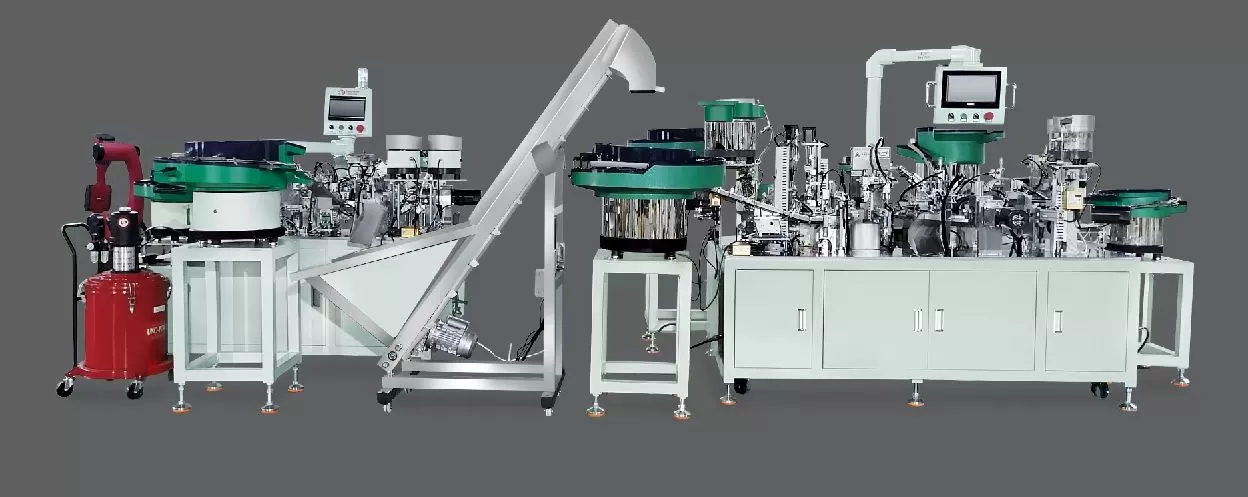
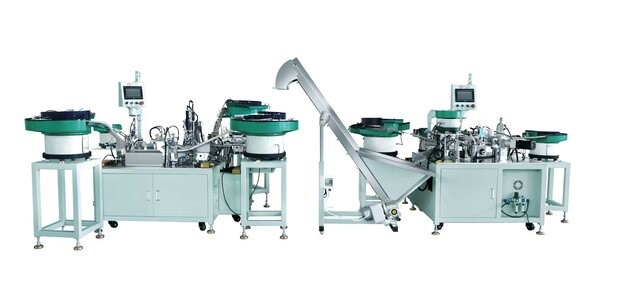
For businesses looking to adopt automated hinge production, partnering with a trusted manufacturer of assembly machinery is essential. Sanyhore, a leading provider of automated manufacturing solutions, specializes in designing and producing hinge assembly machines tailored to diverse production needs. These machines integrate seamlessly with existing production lines, automating the entire transformation from raw materials to finished hinges. Equipped with modular components and user-friendly interfaces, Sanyhore’s hinge assembly machines are easy to operate and maintain, while their high-speed capabilities (up to 120 hinges per minute) ensure optimal productivity. Beyond hinges, Sanyhore also offers telescopic drawer slide assembly machines and roll forming machines, making it a one-stop partner for comprehensive production line upgrades.
From Raw Materials to Finished Hinges: A Sanyhore Production Case
A typical Sanyhore hinge assembly machine workflow begins with raw material loading, where coils or sheets of metal are fed into the system. The machine then processes the material through cutting, forming, and drilling stations, using CNC technology to shape each component with exacting precision. Robotic arms then pick up pre-formed parts—hinge leaves, pins, and covers—and assemble them into complete hinges, with integrated vision systems checking for alignment and tightness. Finally, the finished hinges undergo a final inspection, with only those meeting Sanyhore’s strict quality benchmarks proceeding to packaging. This streamlined process eliminates bottlenecks, reduces labor costs, and ensures each hinge meets the high standards of premium applications.
Your Gateway to Efficient Hinge Production: Partner with Sanyhore
In an industry where quality and efficiency are non-negotiable, Sanyhore’s automated hinge production solutions stand out as a reliable choice. By investing in our hinge assembly machines, businesses gain access to cutting-edge technology that enhances product quality, reduces operational costs, and scales production to meet market demands. Whether you’re a small manufacturer or a large enterprise, our team of experts is ready to customize a solution that aligns with your specific requirements.
To learn more about how Sanyhore’s automated hinge production systems can transform your operations, contact our team today at +86 13425506550 or via email at info@sanyhore.com. Let’s discuss how we can help you turn raw materials into premium hinges with unmatched efficiency and quality.


