
Automation is reshaping slide manufacturing, driving efficiency, precision, and scalability in an industry increasingly focused on high-volume, consistent output. By integrating advanced systems, manufacturers can overcome traditional production limitations, from manual inefficiencies to quality inconsistencies, ensuring they meet the demands of modern markets.
1. Enhancing Production Throughput and Cycle Time
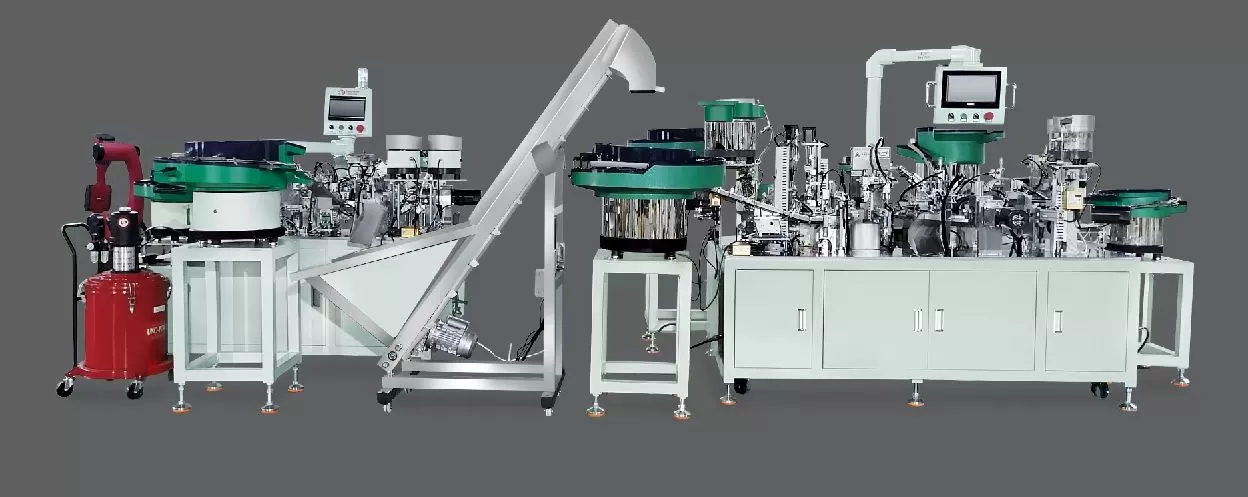
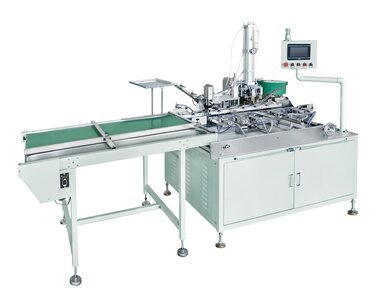
Automated systems, such as robotic assembly units and computerized roll forming machines, operate at speeds far beyond manual processes. Unlike human workers, machines maintain consistent cycle times, minimizing downtime and maximizing output. For example, a telescopic drawer slide assembly machine with automated feeding and joining can process components in seconds, reducing overall production time by 30-50% compared to manual lines. This not only boosts daily output but also enables manufacturers to fulfill larger orders within tighter timelines, a critical advantage in competitive markets.
2. Ensuring Quality Consistency and Reducing Defects
Precision is critical in slide manufacturing, where even minor deviations can impact functionality. Automated quality control systems, equipped with sensors and vision cameras, inspect each component for dimensional accuracy, material integrity, and assembly tightness in real time. This eliminates human error, ensuring every hinge assembly or slide meets strict tolerances, reducing rework and scrap rates significantly. By maintaining consistent quality, manufacturers build trust with clients and reduce post-production issues, enhancing brand reputation.
3. Minimizing Labor Dependencies and Operational Costs
Traditional slide production relies heavily on manual labor, making it vulnerable to labor shortages and rising employment costs. Automation reduces reliance on human intervention, particularly for repetitive tasks like component placement and fastener tightening. By automating these processes, manufacturers can redirect resources to more strategic roles, lowering long-term operational expenses while improving workforce efficiency. This is especially valuable as global labor markets become increasingly competitive, allowing businesses to focus on innovation rather than managing labor challenges.
4. Enabling Flexibility for Diverse Product Lines
Modern automated systems are designed with flexibility in mind. With modular tooling and programmable logic controllers (PLCs), manufacturers can quickly switch between producing different slide types—from standard to custom telescopic designs—without extensive setup time. This adaptability is vital for meeting diverse customer orders and responding to market trends rapidly. Whether producing small batches for niche markets or large volumes for mass consumer goods, automated systems ensure agility, keeping manufacturers ahead of competitors.
5. Supporting Scalable Growth and Industry Demands for High-Performance Slides
Consumer and industrial demand for high-performance slides—used in furniture, automotive, and logistics—continues to grow. Automation allows manufacturers to scale production without proportional increases in operational complexity, ensuring they can meet rising orders while maintaining quality. Sanyhore, a leading provider of hinge assembly machines, telescopic drawer slide assembly machines, and roll forming machines, offers tailored automation solutions to support this growth. Our machines are engineered to integrate seamlessly into existing production lines, providing a cost-effective path to automation.
In conclusion, automation is no longer a luxury but a necessity for slide manufacturers aiming to stay competitive. By enhancing efficiency, ensuring quality, reducing costs, and enabling flexibility, automated systems unlock new growth opportunities. For businesses looking to implement automation, partnering with a trusted provider like Sanyhore—specializing in reliable, innovative machines—can be the key to transforming production. Contact our team today at +86 13425506550 or email info@sanyhore.com to explore how we can tailor an automated solution to your specific manufacturing needs.


